
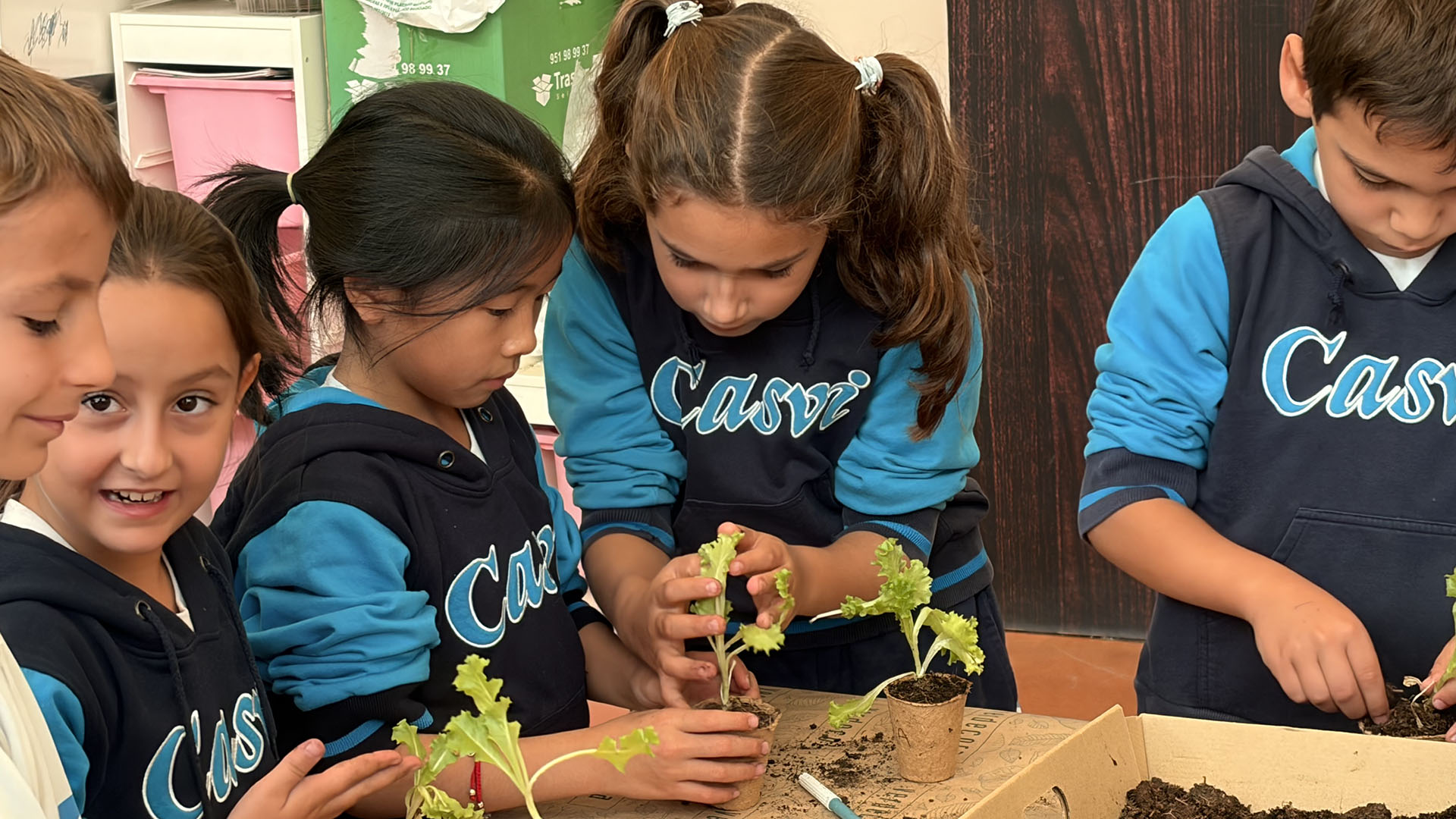
Christmas is a time filled with excitement, celebrations and moments shared with family. But it also means a significant increase in consumption, waste and environmental impact. In this context, environmental education becomes a key tool for transforming this time of year into a real opportunity for learning and raising awareness from childhood onwards.
WHEN CHRISTMAS LOSES ITS BALANCE WITH THE ENVIRONMENT
During the Christmas holidays, there is a proliferation of packaging, single-use decorations, energy consumption and food waste. energy consumption and food waste increase. For many families, a concern is becoming more common. How to enjoy Christmas without giving up the care of the planet and, at the same time, educate children in sustainable values?
The lack of responsible habits at this time of year conveys the most smallest children the most harmful habits for their future and their own well-being.
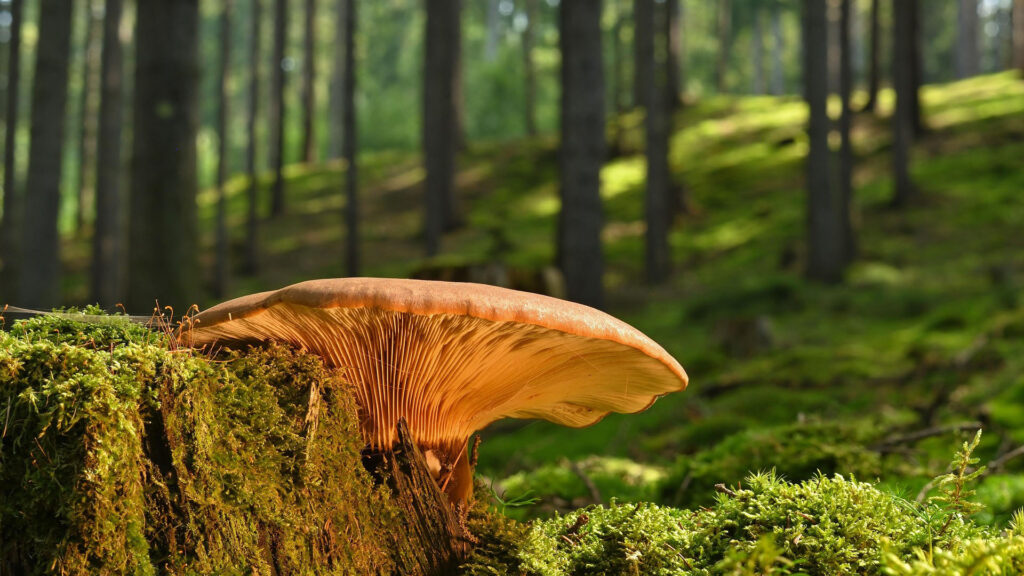
EDUCATE TODAY SO YOU WON'T REGRET IT TOMORROW
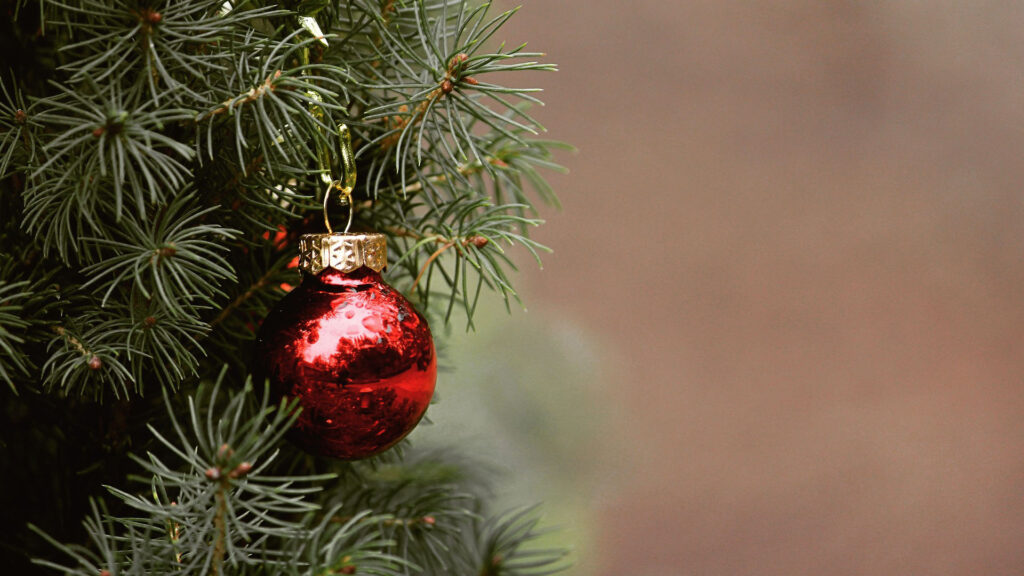
The absence of environmental education from an early age contributes to normalising behaviours that directly affect the environment: excessive use of resources, poor ecological awareness, and disconnection from nature.
Christmas, due to its strong emotional and symbolic significance, is one of the most effective moments for working on values such as responsibility, respect for the environment and sustainability. Not taking advantage of this context means missing out on an educational opportunity with a significant impact.
KEY PRACTICES FOR A SUSTAINABLE CHRISTMAS FROM ENVIRONMENTAL EDUCATION
Environmental education is not based on grand speeches, but on coherent actions that children understand, internalise and reproduce. Celebrating a Christmas that is sustainable is possible if it is becomes a shared and meaningful experience.
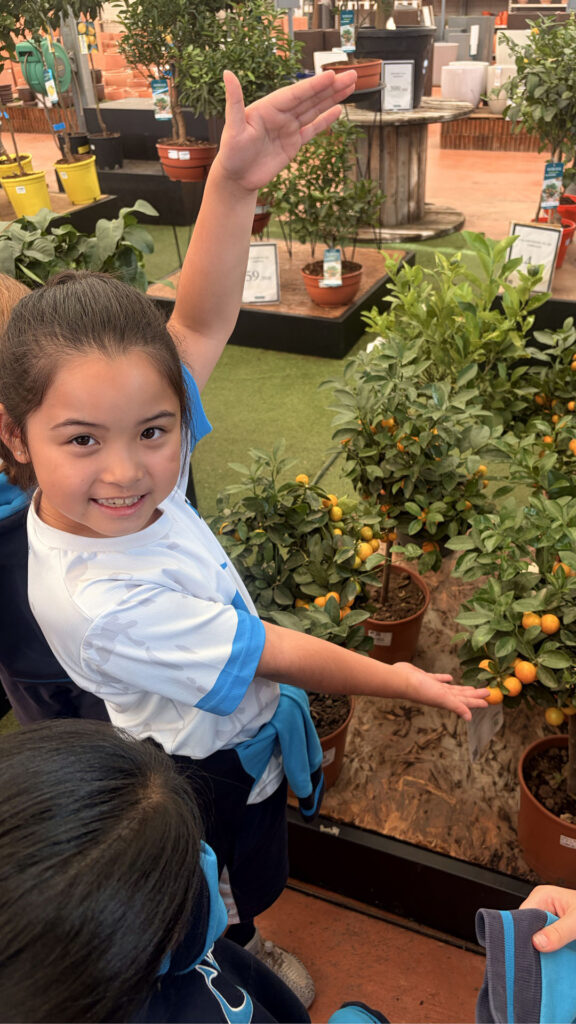
DECORATIONS WITH MEANING
Making decorations by reusing materials encourages creativity, critical thinking and conscious reuse. Children learn that not everything has to be bought new to have value.
GIFTS RESPONSIBLE PARTIES
Reduce the quantity and opt for gifts with educational value that teach teach to prioritise quality over accumulation. Share time, experiences or games cooperative reinforces learning emotional.
CONSCIOUS USE OF ENERGY
Talking about electricity consumption, turning off unnecessary lights, or limiting decorative use helps children understand the relationship between daily habits and caring for the planet.
FOOD AND WASTE ZERO
Plan the menus, use leftovers and know the origin of the food develops sustainable habits sustainable habits and a relationship more respectful of the resources.
LEARNING THROUGH EXAMPLE
Environmental education is most effective when it is lived. Family decisions, explained and shared, become lasting lessons.
“We do not inherit the earth from our children, we borrow it from them.”
CASVI VILLAVICIOSA, ENVIRONMENTAL EDUCATION AS PART OF THE EDUCATIONAL PROJECT
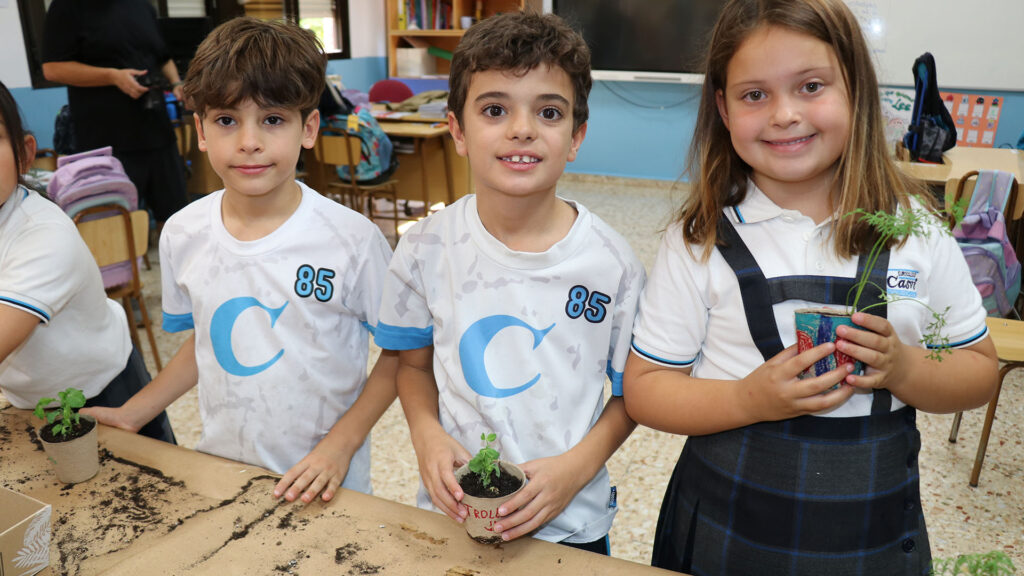
En Casvi Villaviciosa, la educación ambiental no se limita a momentos puntuales. Forma parte del proyecto educativo a lo largo de todas las etapas. A través de actividades, proyectos transversales y experiencias reales, los alumnos desarrollan una conciencia ecológica sólida y coherente.
La sostenibilidad se trabaja como un valor educativo esencial, ayudando a los alumnos a comprender el impacto de sus acciones y a asumir un papel activo en la construcción de un futuro más responsable.
QUESTIONS FREQUENTLY ASKED ABOUT ENVIRONMENTAL EDUCATION
How can environmental education be promoted in schools?
Integrating it in a cross-cutting manner, with projects practical, routines sustainable and experiences that connect learning with everyday life.
What is the relationship between environmental education and biodiversity?
Environmental education promotes respect for ecosystems and an understanding of the importance of protecting diversity. the importance of protecting natural diversity.
What are the benefits of environmental education?
Develops critical thinking, social responsibility, sustainable habits and a greater connection with the environment.
What impact does environmental education have on human health?
Promotes healthier environments, balanced lifestyles, and long-term physical and emotional wellbeing.