

During the first years of life, children build the foundations for all their future learning. However, one of the most decisive—and often least visible—aspects is child psychomotor skills. The development of movement, coordination, balance and the relationship between body and mind not only influences a child’s physical abilities. It also affects their learning, emotional security and how they relate to their environment.
WHEN THE BODY DOES NOT ACCOMPANY THE LEARNING PROCESS
Many children experience difficulties at school that are not due to a lack of intellectual ability, but rather to poorly developed psychomotor skills. Problems with attention, writing, spatial orientation, or personal insecurity are often related to insufficiently stimulated motor development.
Child psychomotor skills act as a key preventive measure, helping to detect and avoid difficulties before they arise.
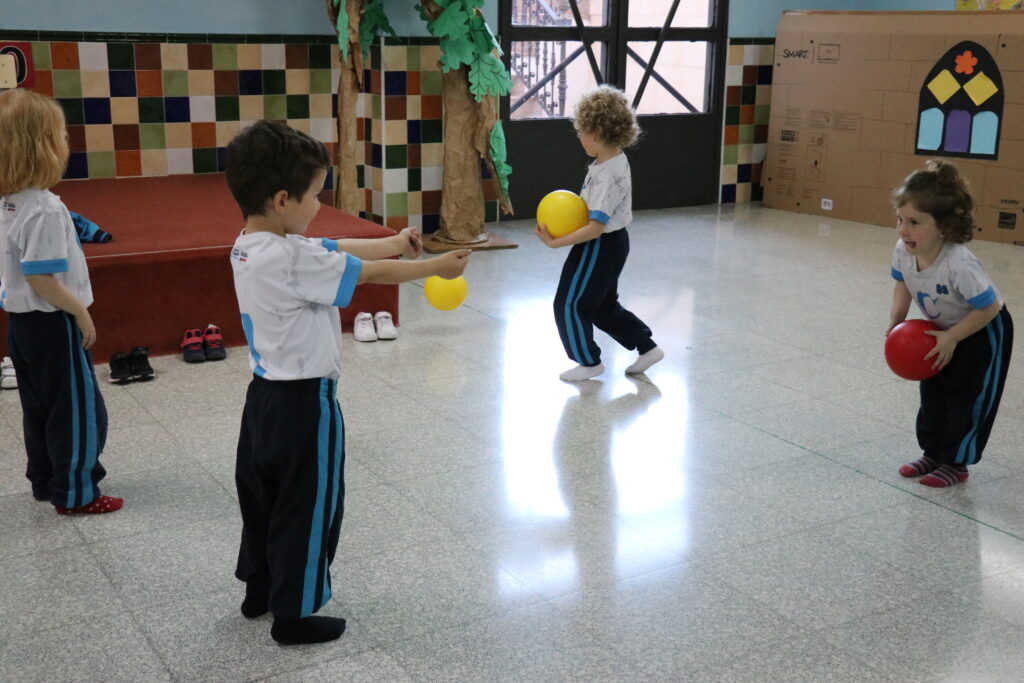
WHAT IS PSYCHOMOTRICITY IN CHILDREN AND WHY SHOULD IT BE WORKED ON FROM AN EARLY AGE ?
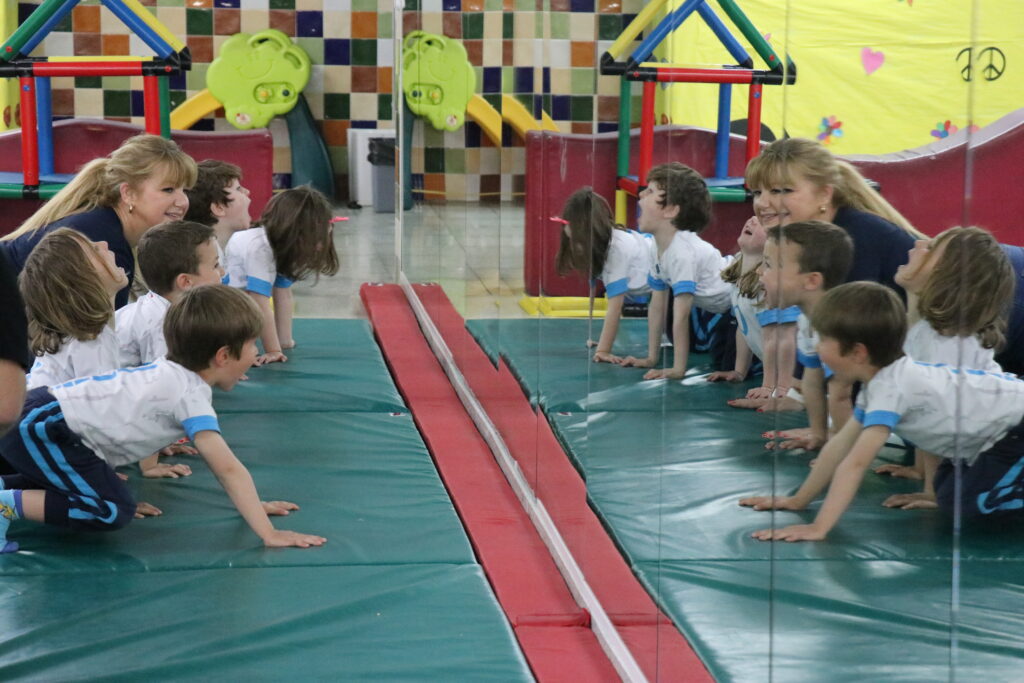
Psychomotor skills in children is an educational discipline that uses the movement as a means to promote the development of the whole child: physical, cognitive, emotional and social.
Through the body, the child:
- Discover the surroundings
- Learn to organise your space and time
- Develops independence
- Express emotions
- Build your thinking
Therefore, their work must begin from the earliest stages of early childhood education, when the brain is most plastic.
WHAT ARE THE BENEFITS OF CHILDREN'S PSYCHOMOTRICITY?
Una adecuada estimulación psicomotriz favorece:
- Coordination and balance
- Laterality and spatial orientation
- La atención y la concentración
- Physical safety and self-esteem
- La prevención de dificultades de aprendizaje
- The ability to relate to others and
These benefits are not limited to the physical realm. They also have a direct impact on school performance and the emotional well-being of the child.
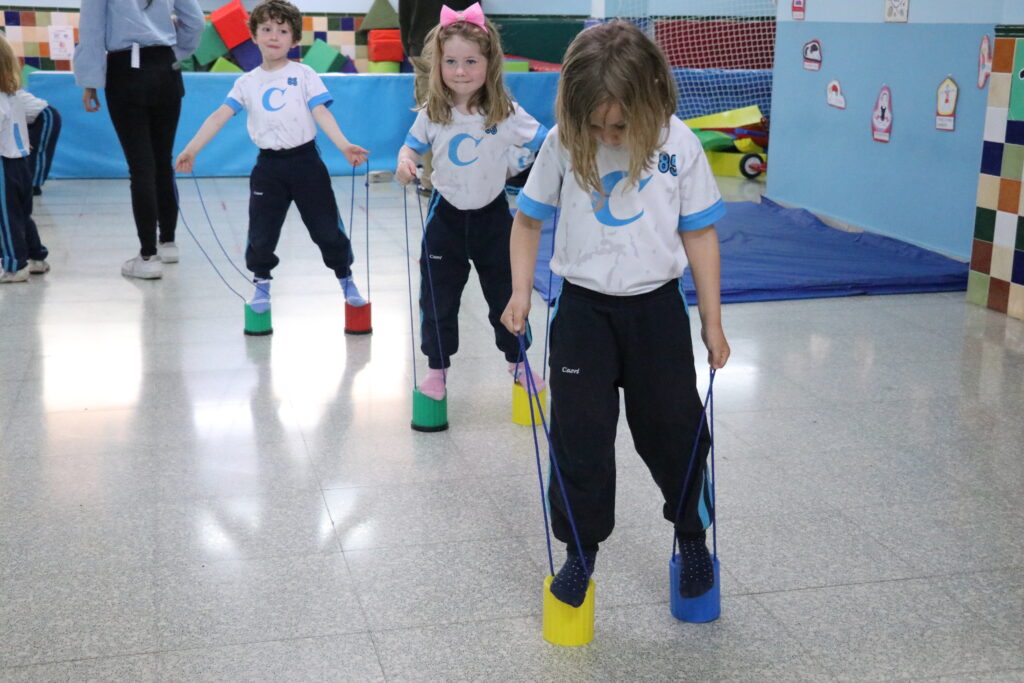
WHAT ACTIVITIES PROMOTE PSYCHOMOTRICITY IN CHILDREN?
Psychomotor skills are developed through play and action. Some key activities are:
- Circuitos motores adaptados a la edad
- Balance and coordination games
- Rhythmic and musical activities
- Symbolic and imitation games
- Free exploration of space
These proposals allow children to learn naturally, respecting their developmental pace.
HOW DOES PSYCHOMOTRICITY INFLUENCE SCHOOL LEARNING?
A child who controls their body, is oriented in space and feels safe has a13> greater ease in coping with learning tasks such as reading, writing or mathematics. Psychomotor skills in children are, therefore, a fundamental pillar of school learning, not a complement.
HOW IS WORKED ON PSYCHOMOTRICITY IN CHILDREN AT CASVI VILLAVICIOSA
At Casvi Villaviciosa, children’s psychomotor skills form an essential part of the educational project from early childhood education onwards.
Our approach is based on:
- Spaces designed for movement and exploration
- Psychomotor activities integrated into the daily routine
- Specialised teachers who accompany the student
- A model of education that respects the individual development of a11> each child such as the International Baccalaureate Programme.
Psychomotor skills are not worked on in isolation. It is integrated into a comprehensive educational project that prioritises wellbeing, learning and autonomy of the student.
👉 Discover how we work on psychomotor skills in children at Casvi Villaviciosa.
QUESTIONS FREQUENTLY ASKED ABOUT PSYCHOMOTRICITY IN CHILDREN
What is the importance of psychomotor skills in the prevention of learning difficulties in learning?
Help to prevent problems with attention, writing and coordination before they start to appear.
What is the age appropriate to start working on psychomotor skills?
From early childhood, the sooner the better.
How can psychomotor skills be encouraged at home?
Through free play, daily exercise and outdoor activities.