
Many parents notice coordination difficulties or sensitivity to noise in their children. It is therefore vital to understand what sensory psychomotor skills are in children and how they influence their learning and interaction with their environment.
THE CHALLENGE OF EARLY CHILDHOOD DEVELOPMENT
Childhood development goes beyond mere physical growth. The real challenge is how the brain processes external information. Many children show motor clumsiness or constant distractions. According to the American Academy of Paediatrics, these symptoms indicate that the senses do not send clear signals. Without this foundation, school learning becomes exhausting.
THE RISKS OF POOR SENSORY INTEGRATION
Ignoring these signs has consequences in the long term. Dr. Jean Ayres demonstrated that a nervous system that is disorganised prevents the acquisition of higher-level skills. The lack of stimulation in the proprioceptive and vestibular systems affects concentration. This leads to problems with reading and writing and anxiety. Brain plasticity has a window of opportunity. We must take action now.
THE IMPORTANCE OF PSYCHOMOTRICITY SENSORY
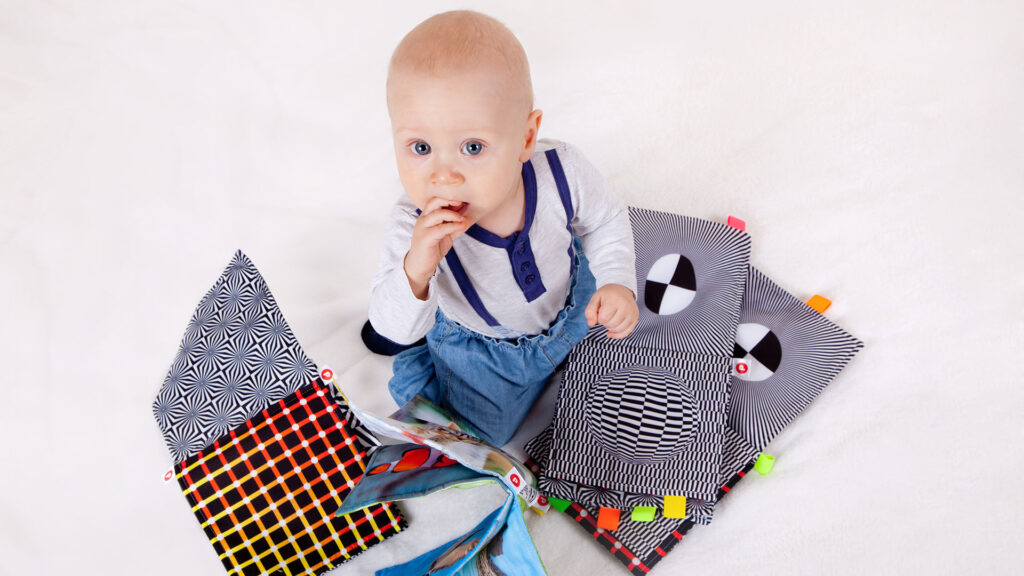
sensory psychomotor skills sensory organise the central nervous system. It enables the brain to interpret stimuli and execute precise movements. This discipline is based on the practice of Bernard Aucouturier. The aim is psychological maturation through the body based on the pillars of sensory stimulation.
- Vestibular system: Regulates balance and posture via the inner ear.
- Proprioceptive system: Provides information about the position of muscles and joints.
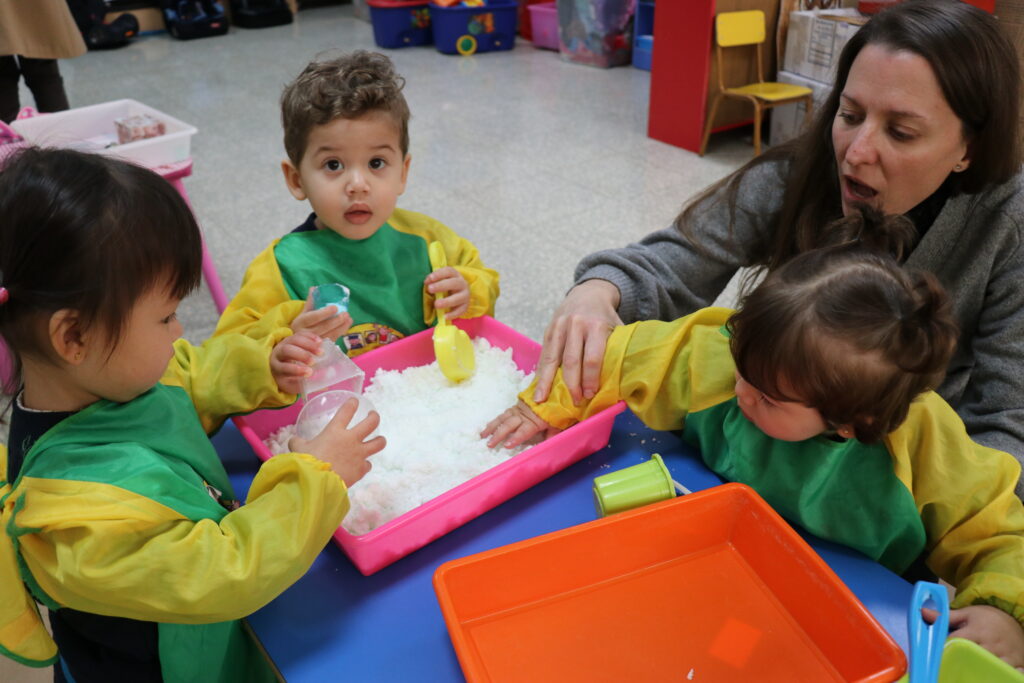
- Sensory regulation Tactile: Helps to process textures and reduces irritability.
BENEFITS SUPPORTED BY NEUROSCIENCE
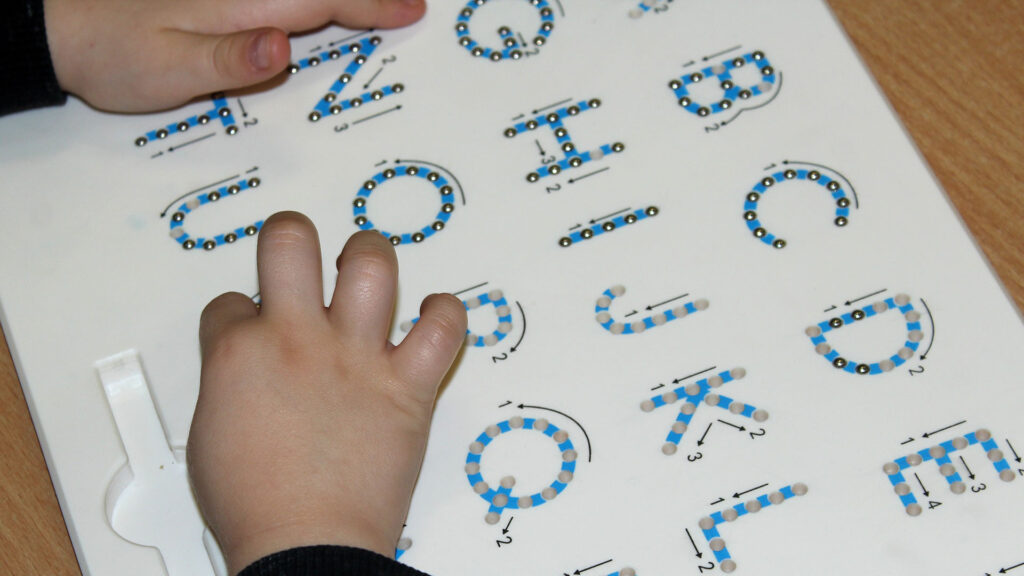
El entrenamiento sensorial mejora la motricidad fina. According to the Centre for Child Development at HarvardThese interactions help to shape the brain’s architecture. They enhance spatial awareness and mathematical skills. Furthermore, they boost self-esteem by giving the child a sense of physical security.
SENSORY PSYCHOMOTRICITY AT CASVI VILLAVICIOSA
At the Casvi Villaviciosa International School, sensory psychomotor development is not viewed as an isolated activity. It is seen as the cornerstone of cognitive development in the early years (Early Years Education).
Within the framework of the International Baccalaureate (Primary Years Programme – PYP), the school uses the connection between the body and the senses to ‘wire’ pupils’ brains, preparing them for more complex learning such as reading, writing and logical reasoning.
This is how the process unfolds at the school:
1. The Psychomotor Skills Classroom: An environment for experimentation
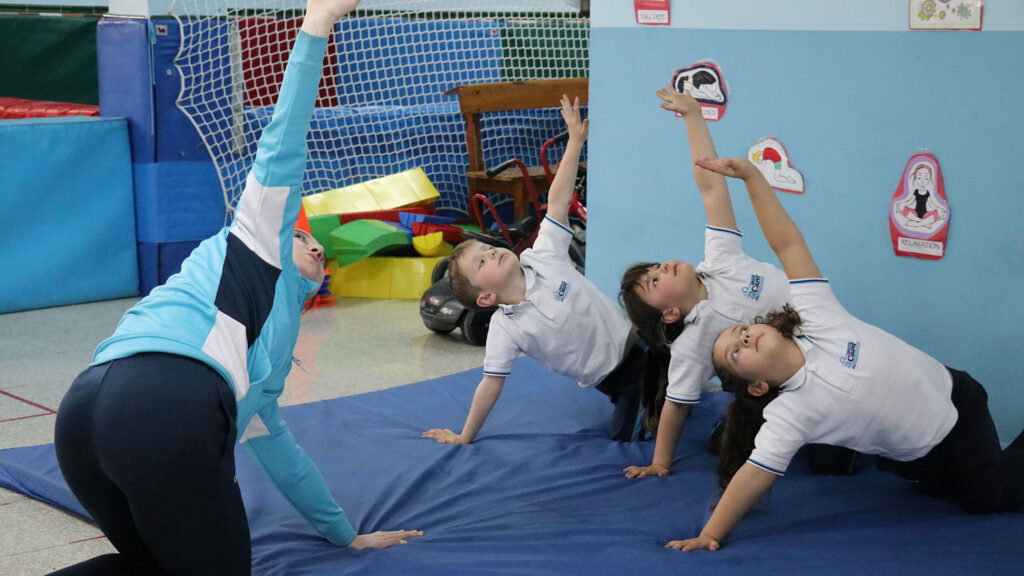
The centre has specially designed spaces where children aged 0 to 6 take part in guided sessions. In these rooms, sensory development is fostered through:
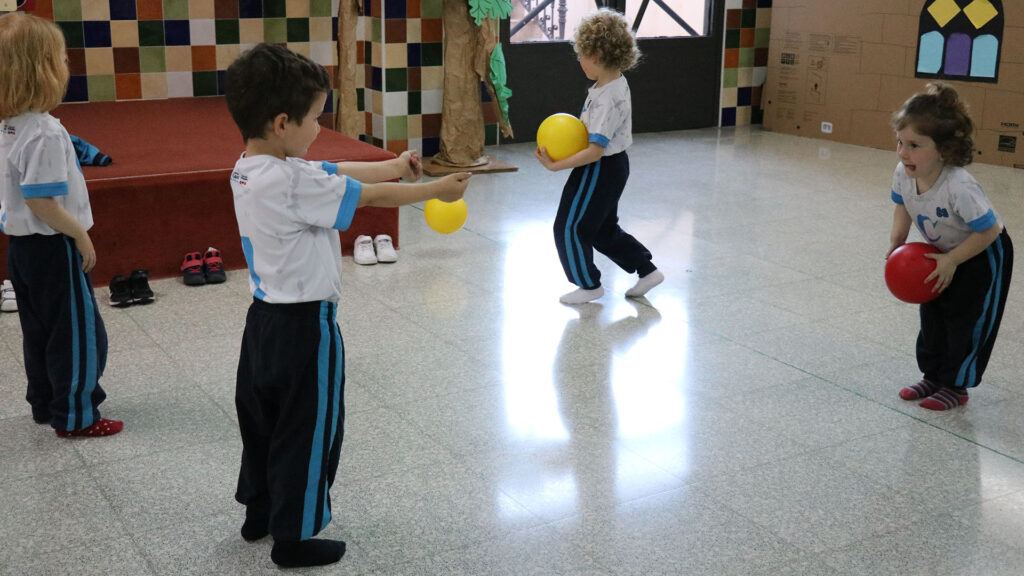
- Stimulation circuits of stimulation: Use of ramps, tunnels, climbing frames and mats of different textures to develop balance and proprioception (awareness of one’s own body).
- Muscle tone control: Activities that help children regulate their strength and posture, which is vital for future handwriting skills.
2. Sensory stimulation and multilingualism
A distinctive feature of Casvi Villaviciosa is that psychomotor skills are integrated with language learning. Many of these sessions are conducted in English, linking movement commands and tactile or auditory sensations with new vocabulary. By engaging the body, language learning becomes much more profound and natural.
3. The method of inquiry
Instead of simply repeating exercises, inquiry is encouraged. Teachers set challenges:
- “How can we cross this bridge without touching the ground?” or “How does it feel to step on this surface?”.
- This forces the child to process the sensory information, think of a solution and carry it out physically, working on the mind-body connection.
4. Integration of the senses (vestibular and tactile systems)
Sensory development at Casvi Villaviciosa is not just about “seeing and hearing”. We focus intensively on:
- Vestibular system: Through rocking and turning movements that aid the development of the central nervous system.
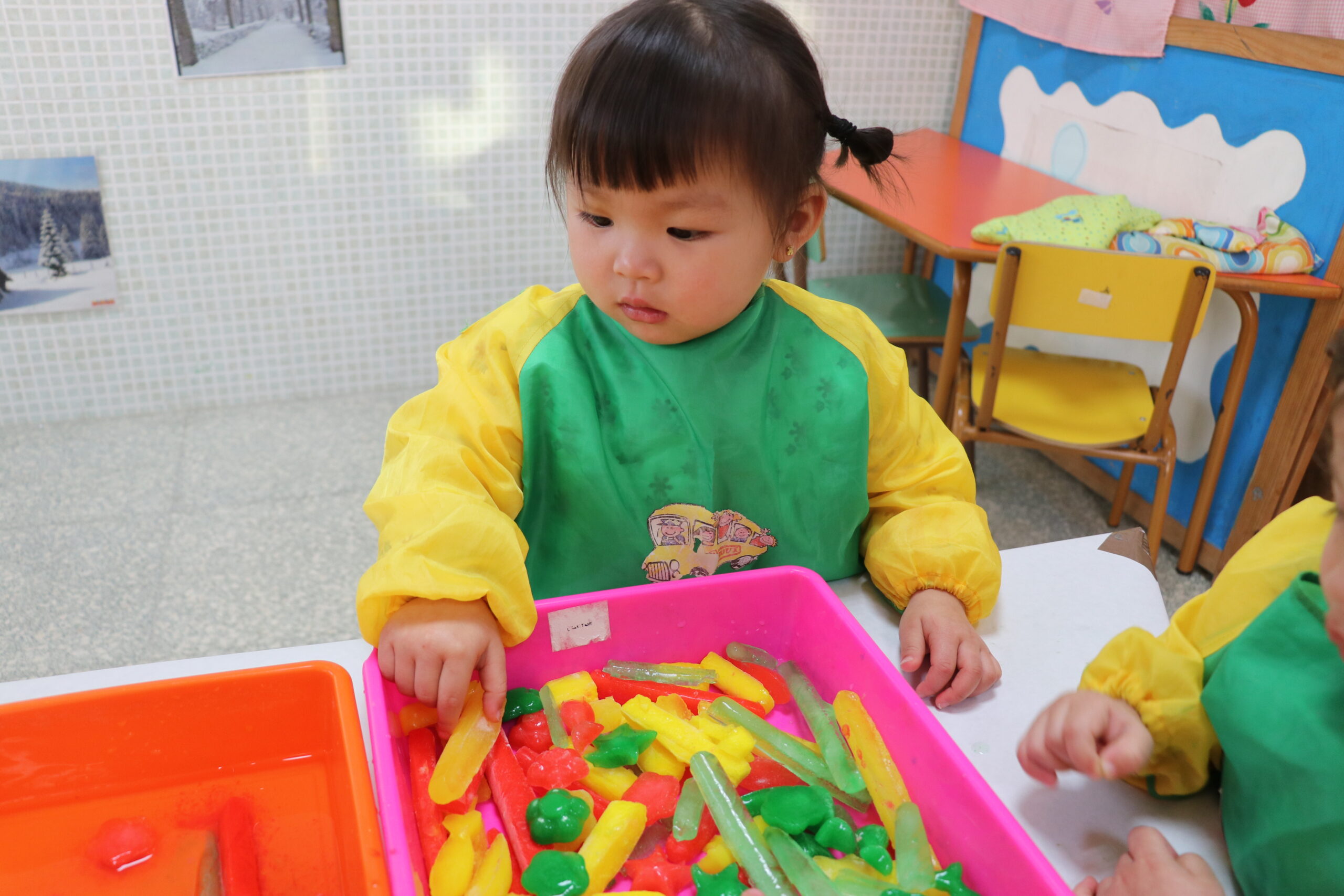
- Sensory system: Handling sensory trays containing different materials (sand, water, rough textures) to stimulate pupils’ curiosity and sensory awareness.
LONG-TERM BENEFITS AT CASVI IN VILLAVICIOSA
FREQUENTLY ASKED QUESTIONS ABOUT SENSORY-MOTOR SKILLS
What factors can affect sensory-motor skills in children?
A lack of free play hinders sensory development. A sedentary lifestyle limits mental and physical agility. Genetic factors influence the individual’s rate of development. An unstimulating environment reduces motor learning ability.
What are the signs of a delay in sensory-motor development in children?
Las caídas constantes indican una falta de equilibrio grave. La dificultad para manipular objetos pequeños es una señal clave. El rechazo a sonidos o texturas muestra una integración sensorial deficiente. La lentitud en movimientos básicos sugiere un retraso madurativo.
How does diet affect children’s sensory-motor skills?
Omega-3 accelerates the connection between neurons and muscles. A balanced diet improves the nervous system’s response. The right nutrients prevent muscle weakness in children. A healthy diet enhances concentration during physical exercise.
What influence does sensory psychomotor development have on children’s emotional development?
Body control increases a child’s self-confidence directly. Good motor development reduces anxiety and fear. Physical dexterity facilitates socialisation with other children. Success in movement reinforces healthy self-esteem.
How can sensory psychomotor skills be encouraged in children from an early age?
Crawling is vital for connecting the two hemispheres of the brain. Letting a child play barefoot stimulates their tactile receptors. Contact with nature provides unique sensory stimuli. Freedom of movement allows them to explore their surroundings safely.
What types of toys are recommended for stimulating sensory-motor skills in children?
Textured balls stimulate the sense of touch. Wooden blocks improve hand-eye coordination. Play dough strengthens the muscles in the hands. Building sets encourage spatial awareness and logical thinking.
What activities are recommended to stimulate sensory-motor skills in children?
Walking on sand or grass helps develop natural balance. Homemade obstacle courses improve motor coordination. Dancing helps children internalise rhythm and movement. Finger painting stimulates creativity and the sense of touch.