At the Casvi Villaviciosa International School, students on the International Baccalaureate Diploma Programme (IB) face one of the most significant academic challenges of this stage: the preparation of Extended Essays. This independent research project allows them to explore a topic of their interest in depth and develop skills typical of university-level study.
Extended Essays are not merely a requirement for obtaining the IB Diploma. They are a comprehensive learning experience that teaches students to conduct research, analyse information rigorously, organise long-term projects and communicate ideas clearly and coherently.
At Casvi Villaviciosa, teachers support this process from the very beginning, guiding pupils so that they can tackle this challenge with confidence, independence and critical thinking.
WHAT ARE THE INDIVIDUAL STUDY PROJECTS IN THE IB DIPLOMA PROGRAMME?
Extended Essays are one of the core components of the International Baccalaureate Diploma Programme. This involves an individual research project in which the student conducts an in-depth analysis of a topic related to one of the subjects in the programme.
According to the IB, a monograph must meet several fundamental requirements:
- An independent research paper of up to 4,000 words
- Formulate a clear and well-defined research question
- Draw on reliable and properly cited sources
- Follow a rigorous academic methodology
- Present well-reasoned and well-founded conclusions
This process enables students to familiarise themselves with the kind of work they will be expected to do at university. As such, IB Extended Essays are regarded as excellent preparation for higher education.
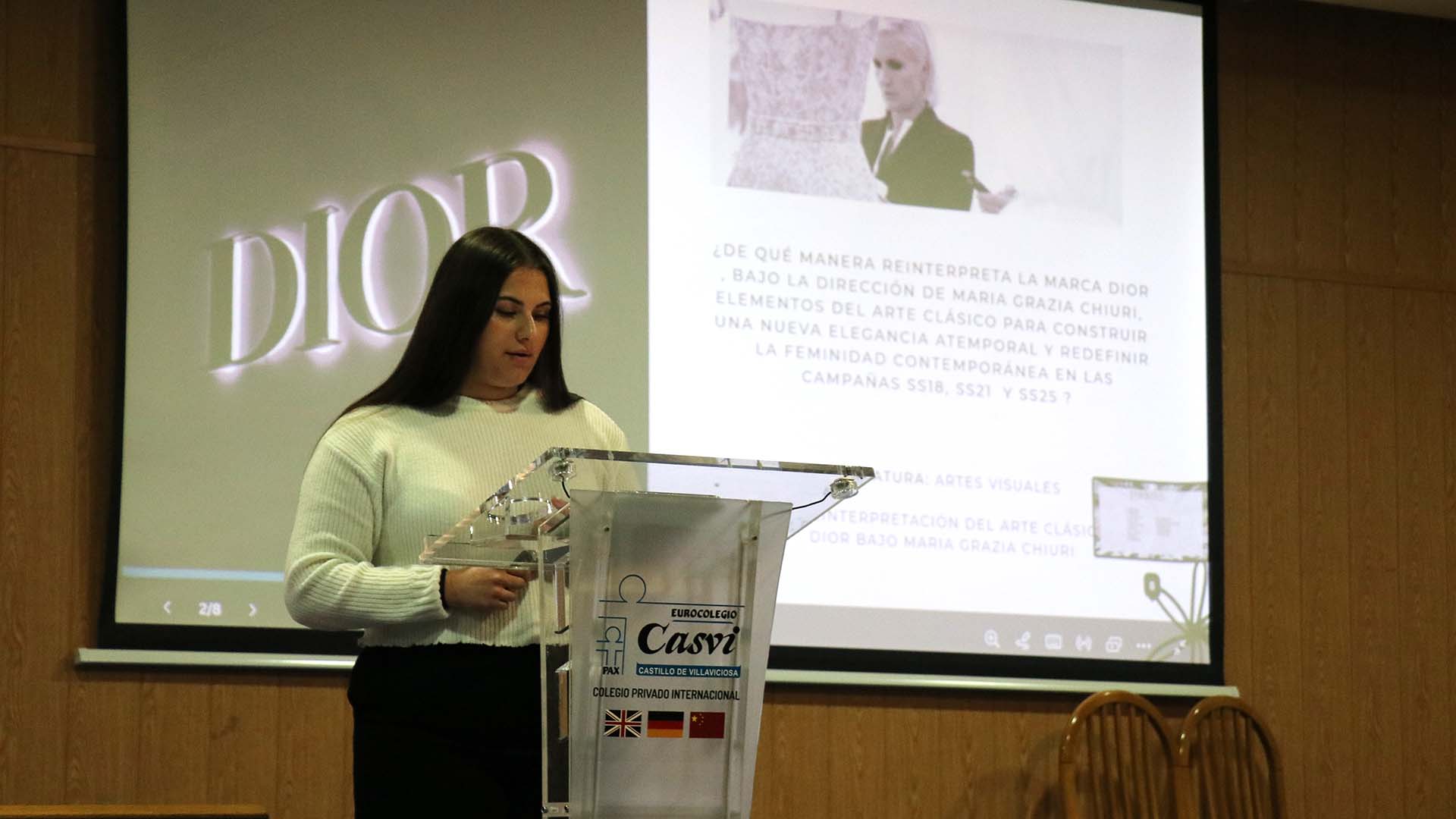
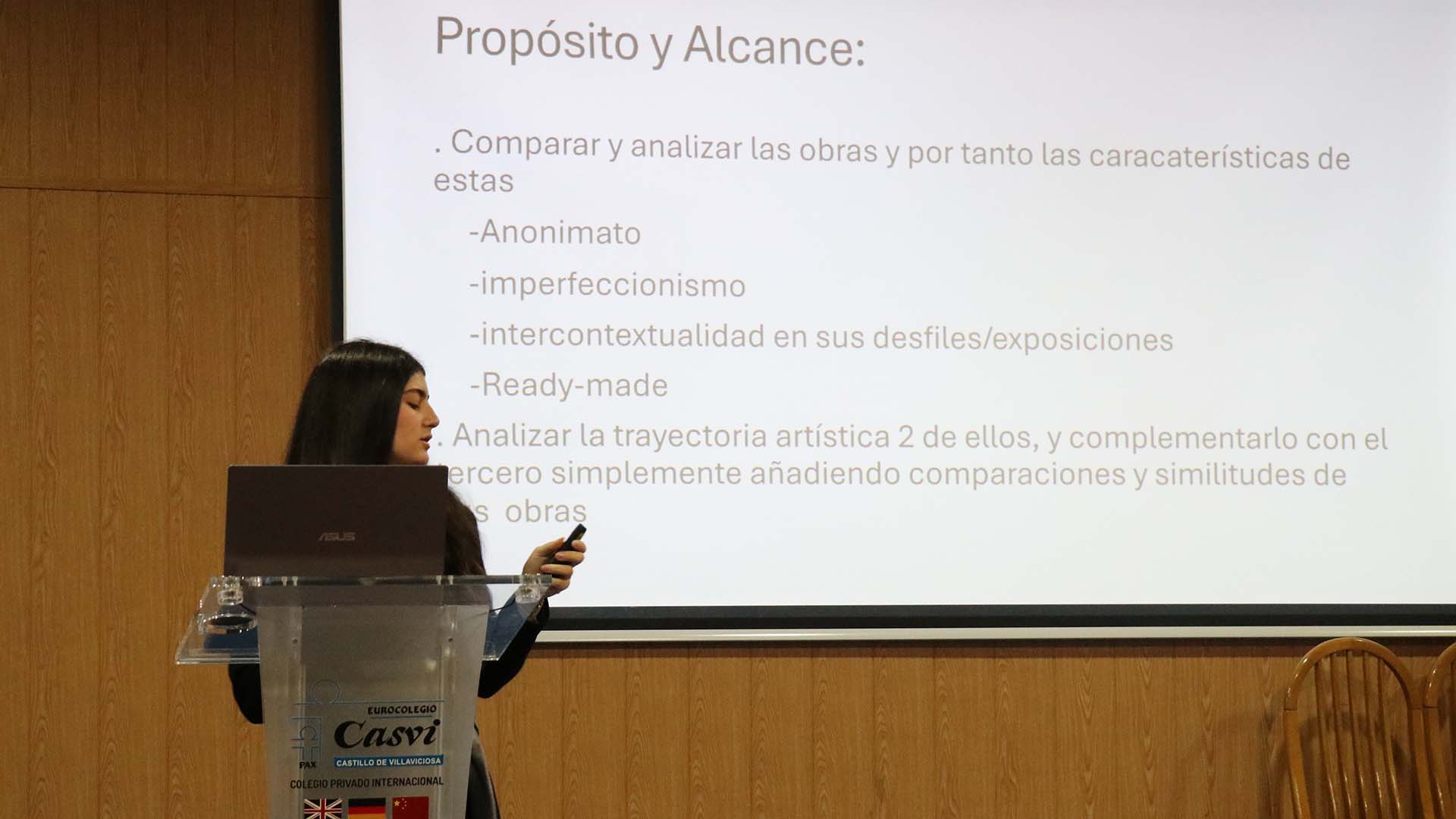
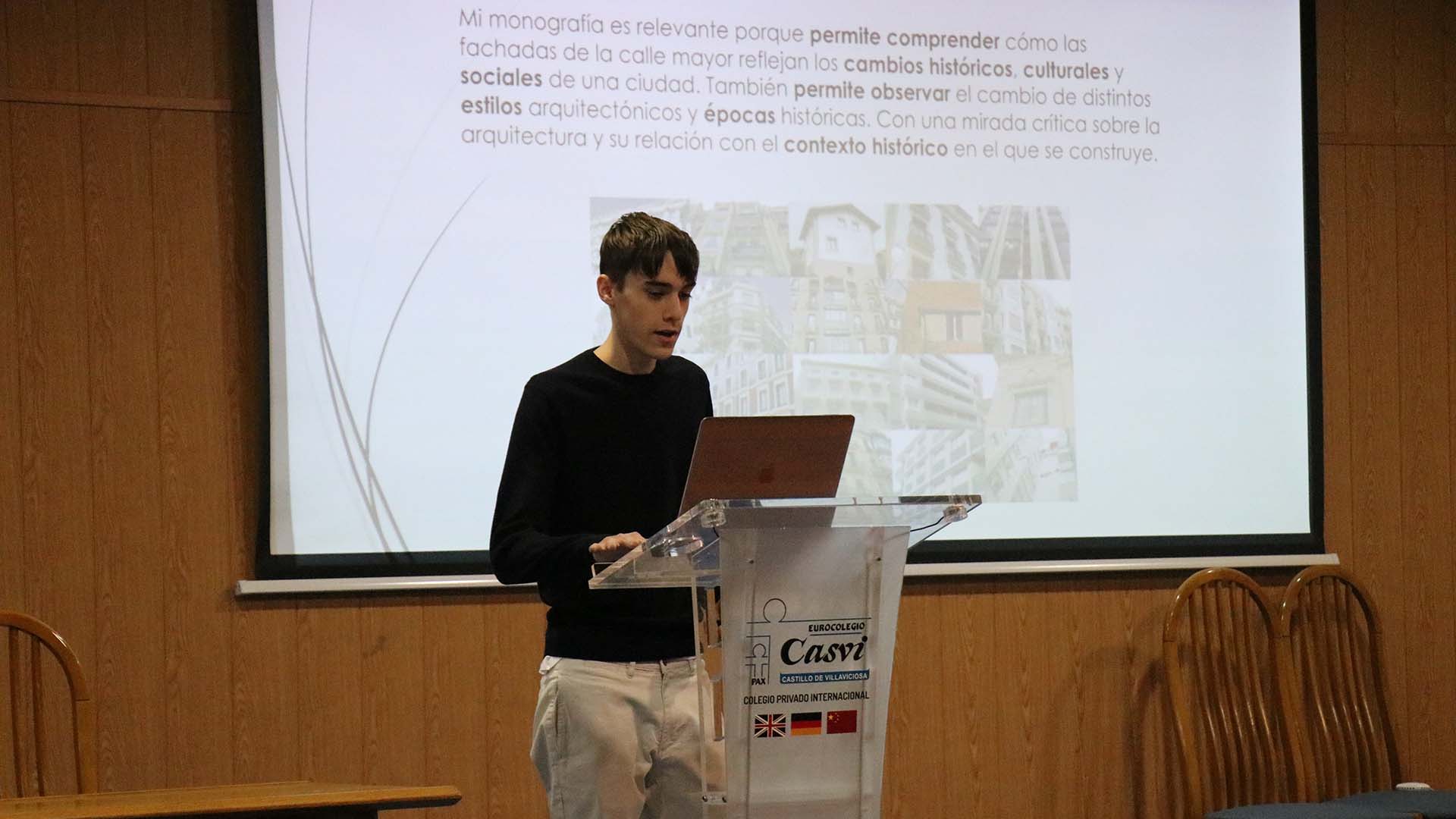
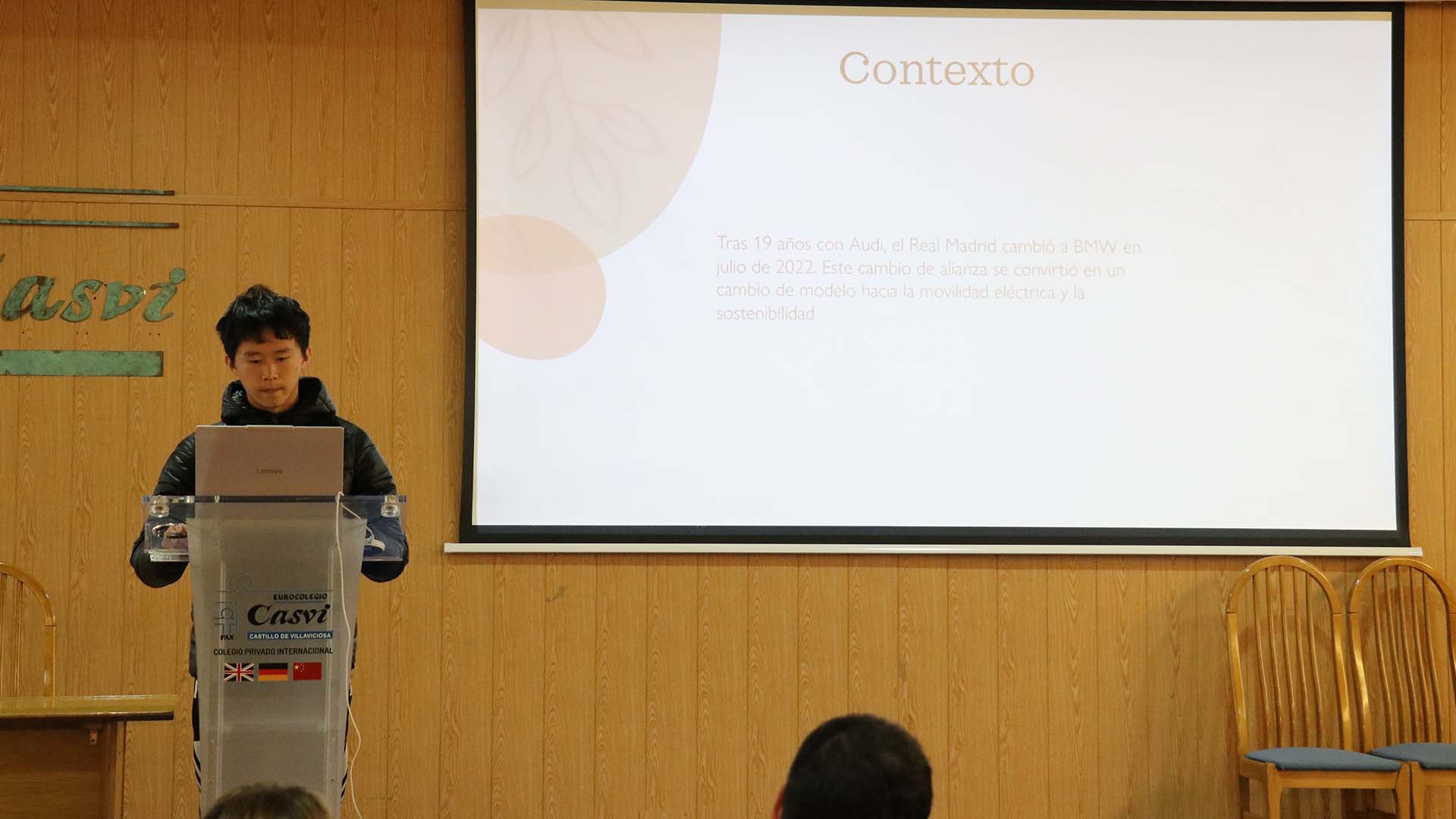
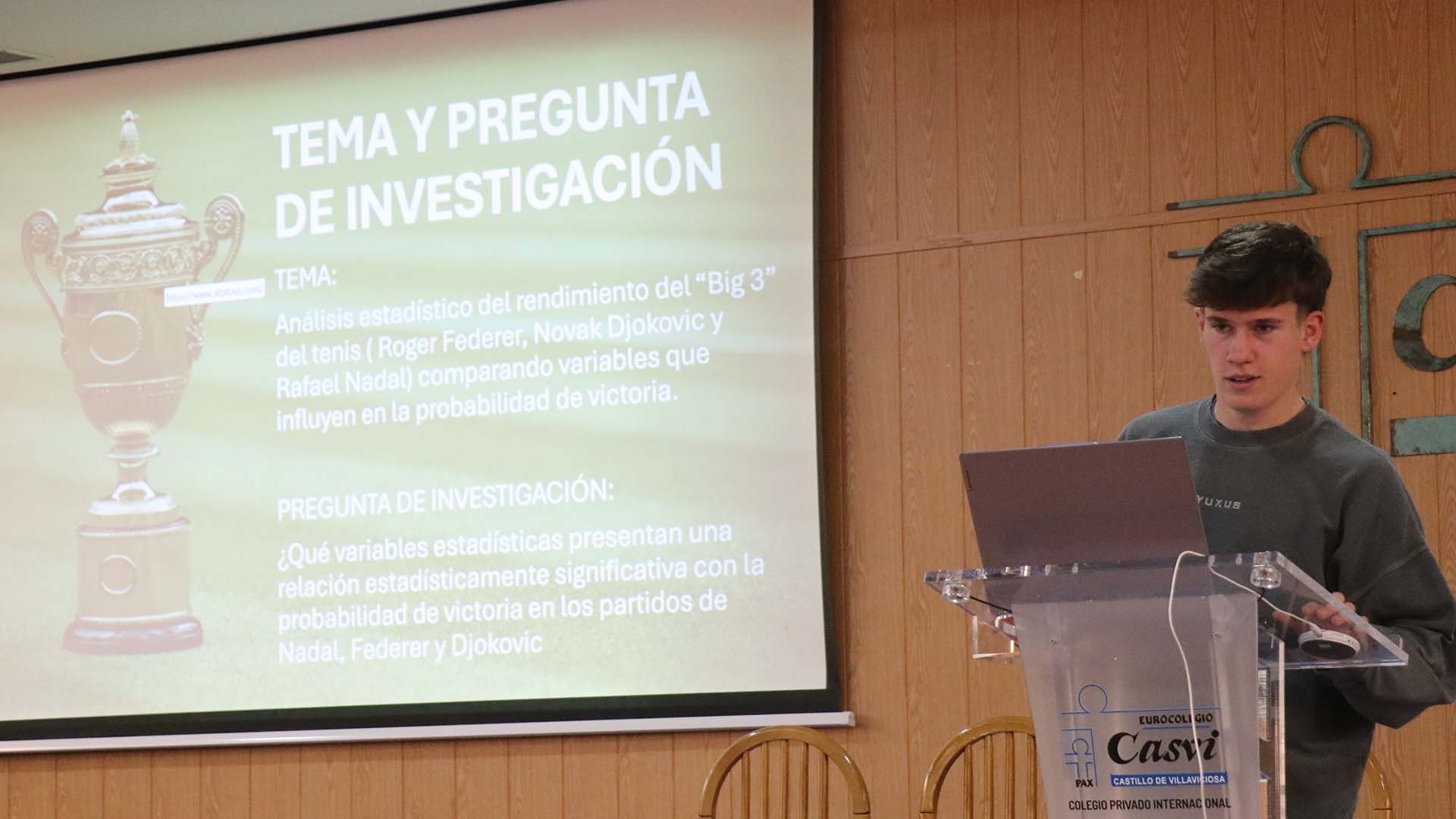
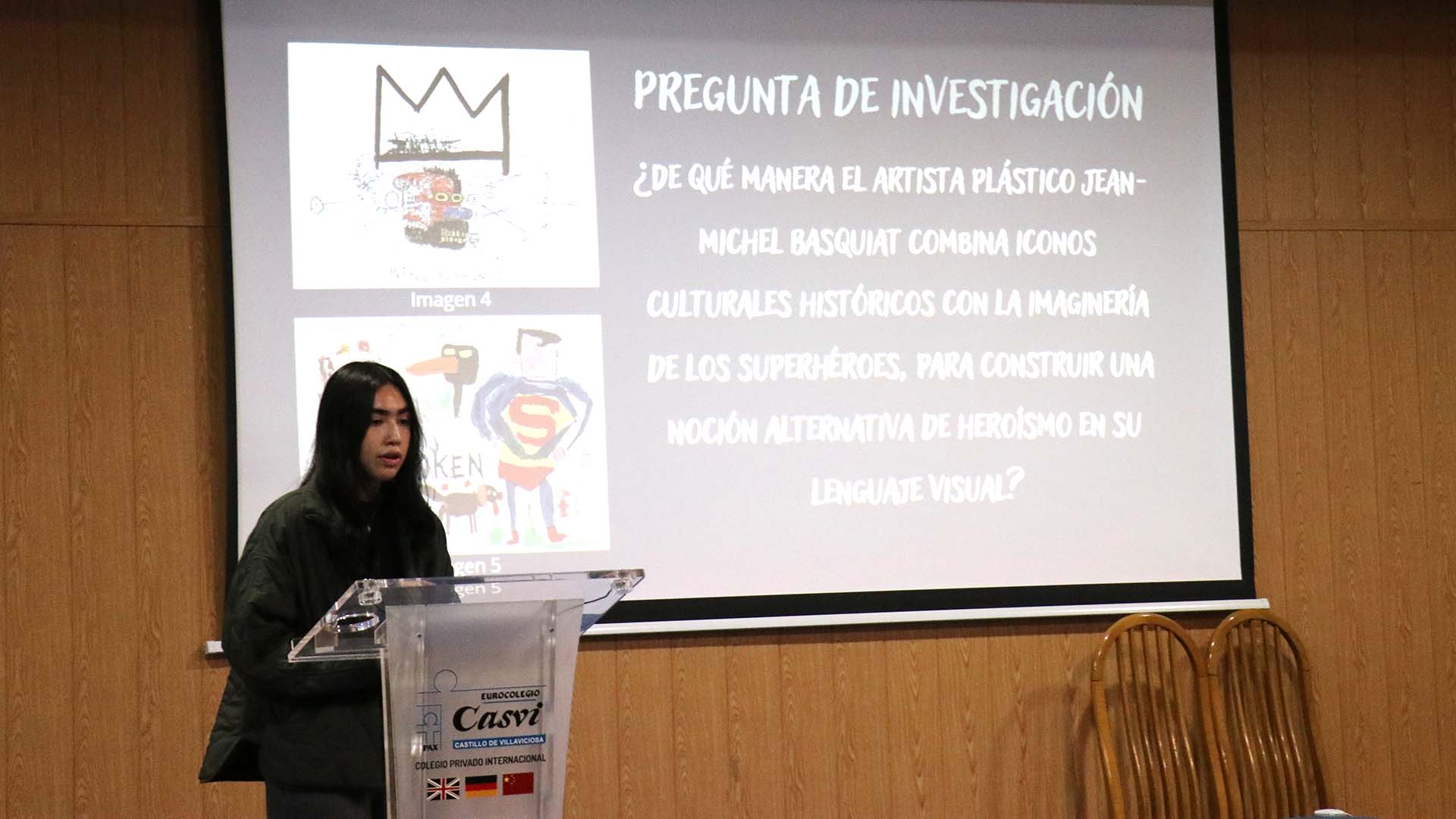
At Casvi Villaviciosa, students present their dissertation proposal during the first year of the Diploma Programme, which allows them to receive guidance from their tutors and refine their approach before beginning the final piece of work.
HOW TO WRITE AN IB ESSAY: A STEP-BY-STEP GUIDE
The preparation of the Monographs follows a structured process that helps students develop the working habits typical of academic research.
1. Selection of the topic and research question for the research project
Each student chooses a topic within their field of study and formulates a specific question that will guide the entire project. For example:
- Too broad a question: What is climate change?
- A suitable question for a dissertation: How has climate change affected wine production in La Rioja over the last 20 years?
Learning to ask good questions is one of the most valuable skills students acquire whilst working on their dissertations.
2. Searching for information and selecting from sources
Students work with books, scientific articles, academic studies and specialist databases.
At this stage, they learn to:
- Assess the reliability of the sources.
- Cite correctly.
- Distinguish between opinion and evidence.
- Use academic resources such as Google Scholar or digital libraries
This process develops critical thinking, one of the key skills that the IB promotes in its students.
3. Organisation and structure of the work
A good monograph requires planning. It includes:
- Introduction
- Theoretical framework
- Development and analysis
- Conclusions
- Bibliography
At Casvi Villaviciosa, students receive ongoing guidance on how to structure their dissertations correctly, which is essential for their future university studies.
4. Drafting, proofreading and editing
The writing of the dissertations takes place in several stages, with regular reviews in consultation with the supervising lecturer.
During this process, students learn to:
- Improve the clarity of your writing
- To argue effectively
- Correct errors
- Review your own work critically
This type of practice-based learning is one of the cornerstones of the IB Diploma Programme.
BENEFITS OF UNDERTAKING THE INTERNATIONAL BACCALAUREATE DISSERTATION
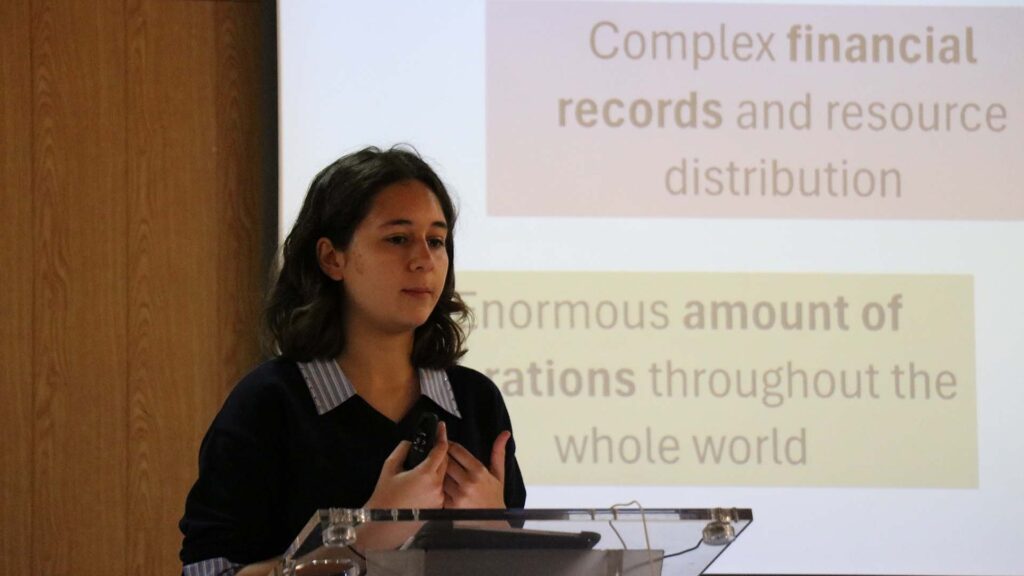
‘Doing my monograph was a challenge, but I learned how to research and organise myself. By the time I got to university, I already had experience in writing long academic essays.’
Este tipo de testimonios reflejan la utilidad real de las Monografías del IB más allá del colegio.
The preparation ofmonographs offers advantages academic and personal very important.
- Preparation for university. Students arrive at the university with experience in research, academic writing and management of long-term projects.
- Desarrollo del pensamiento crítico. They learn to analyse information, compare data and defend their ideas with sound arguments.
- Improved organisation and autonomy. Writing a dissertation requires planning your work over a period of several months, which is essential for success in higher education.
- Confidence when presenting ideas. Defender su investigación les ayuda a ganar confianza y habilidades comunicativas.
THE IB DIPLOMA PROGRAMME AT CASVI VILLAVICIOSA: LEARNING BEYOND THE CLASSROOM
Extended Essays form part of a broader educational framework: the International Baccalaureate Diploma Programme. This programme is characterised by offering a comprehensive education based on:
- Critical thinking
- International perspective
- Inquiry-based learning
- Creativity, Action and Service (CAS)
- Balanced personal and academic development
At Casvi Villaviciosa, this approach ensures that pupils not only achieve excellent academic results, but are also well prepared to succeed at university and in their future careers.
LEARN MORE ABOUT CASVI VILLAVICIOSA AND THE DIPLOMA PROGRAMME (IB)
If you’d like to find out how Extended Essays and the IB Diploma Programme help students develop university-level skills whilst still at school, we invite you to learn more about our educational project. You’ll discover:
- How we approach research in Preschool.
- How we support the students throughout the process.
- What advantages does studying the IB offer?
- Our students’ real-life experiences