
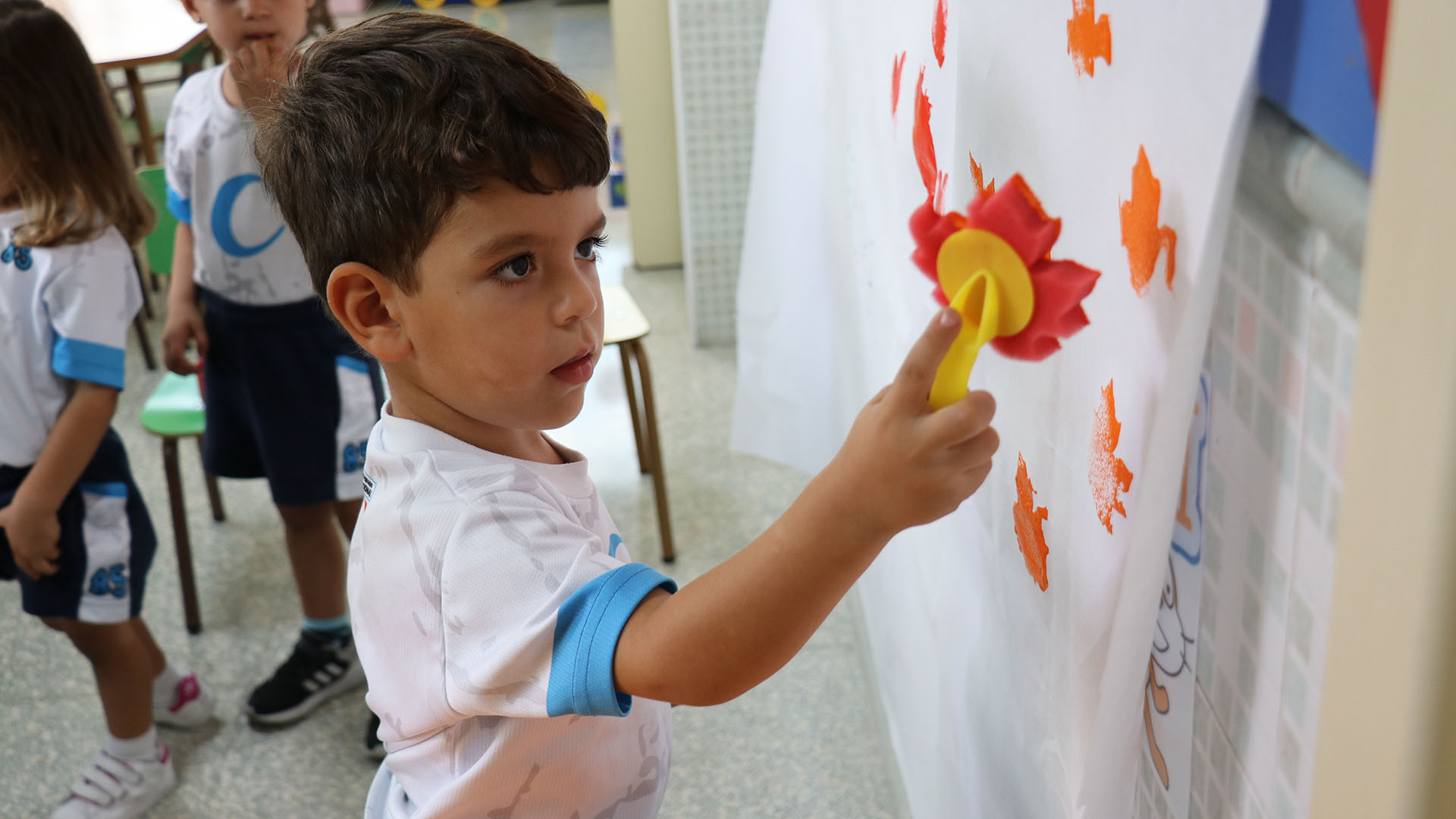
Many parents wonder whether today’s education really prepares their children for the world that awaits them. For years, academic success has been associated primarily with theoretical knowledge. The reality today shows that knowing a lot does not always mean being able to cope well in life. That is why more and more families are seeking information on soft skills: examples of abilities that children need to learn from an early age to adapt to that future.
WITHOUT SOFT SKILLS, KNOWLEDGE ALONE IS NOT ENOUGH
Education experts agree that 21st-century skills are not limited to memorising content. International educational bodies, universities and businesses point out that personal and social skills are crucial to academic, professional and emotional success.
A student may have excellent grades, but if they don’t know how to manage their time, work with others or cope with frustration, will have difficulty in adapting to the real challenges.
When these skills are not developed from an early age, problems such as the following often arise:
- Lack of motivation
- Low tolerance for frustration
- Difficulties in organising oneself
- Communication problems
- Insecurity in the face of new challenges
That is why it is essential to be familiar with soft skills: specific examples. It is also important to understand how these skills should be developed at school, not just at home.
SOFT SKILLS: EXAMPLES OF SKILLS ESSENTIAL IN EDUCATION TODAY
soft skills are personal, social and emotional skills that enable students to learn more effectively, interact with others and adapt to new situations.
Modern education, particularly in international and competency-based models, focuses on these skills in a deliberate manner from an early age.
Below, we present some essential soft skills: examples that children should develop today for their future.
1.- COMMUNICATION EFFECTIVE
The ability to express ideas clearly, listen to others and engage in dialogue is essential in any field. Examples:
- Oral presentations in class
- Discussions and presentations
- Active listening
- Argumentation respectful
Pupils who practise public speaking and communication from a young age gain confidence and independence.
2. TEAMWORK
Modern learning is increasingly based on collaborative projects. In these projects, pupils must work together to achieve common goals. Examples:
- Projects group projects
- Cooperative learning
- Joint problem solving
- Taking on roles within the team
These experiences teach responsibility, respect and leadership.
3.- TIME MANAGEMENT AND ORGANISATION
Learning how to plan tasks and achieve goals is key to academic and personal success. Examples:
- Planning of work
- Organisation of the study
- Use of diaries and calendars
- Compliance with deadlines
Pupils who develop this skill are more independent and confident.
“The best organisation does not guarantee the results. But a structure that is wrong would be a guarantee of failure”.
4.- CRITICAL THINKING
In the digital age, knowing how to analyse information is more important than memorising it. This skill enablesstudents to learn to think for themselves. Examples:
- Ask questions
- Compare different ideas
- Solving problems complex
- Making well-considered decisions
5.- CREATIVITY AND INNOVATION
Many professions of the future will require imagining new solutions. Creativity is trained, it does not arise spontaneously. Examples:
- Artistic projects
- Design of my own work
- Activities experimental
- Project-based learning
“Self-awareness, that is to say, the ability to recognise a feeling at the very moment it arises, constitutes the cornerstone of emotional intelligence.”
6. EMOTIONAL INTELLIGENCE
Understanding one’s own emotions and those of others is essential for well-being and harmonious coexistence. Emotionally balanced pupils learn better and get on better with others. Examples:
- Managing frustration
- Empathy
- Personal motivation
- Conflict resolution
Pupils who are emotionally balanced learn better and interact with others more effectively.
7. Adaptability and resilience
The future will be full of change, so children need to learn to face new situations without fear. Examples:
- Learning from one’s mistakes
- Facing new challenges
- Maintain a positive attitude
- Overcoming difficulties
These skills help to build self-assurance and confidence.
8. Responsible leadership
Modern leadership involves knowing how to collaborate, help others and make responsible decisions. Leadership is learned through practice. Examples:
- Coordinate work
- Helping colleagues
- Take the initiative
- Take on responsibilities
HOW WE DEVELOP SOFT SKILLS AT CASVI VILLAVICIOSA INTERNATIONAL SCHOOL
At the Casvi Villaviciosa International School, the development of personal and social skills is an essential part of the learning process.
Our educational model, based on methodologies active learning and the approach of the International Baccalaureate, promotes the development of skills in the real world through:
- Cooperative learning
- Project-based learning
- Emotional education
- Public speaking and debate
- Activities artistic and sporting
- Work interdisciplinary
Thanks to this approach, the students do not just acquire knowledge. They also develop the skills that they will need for their personal and professional future.
FREQUENTLY ASKED QUESTIONS ABOUT SOFT SKILLS: EXAMPLES
¿Qué ejemplos de habilidades blandas son importantes para la gestión del tiempo?
Planning, organisation, responsibility, perseverance and the ability to set priorities.
What examples of soft skills are essential for personal motivation?
Self-discipline, resilience, a positive attitude and the ability to set goals.
What examples of soft skills are essential for working in a team?
Empathy, cooperation, communication, respect, leadership and resolution of conflicts.
What examples of soft skills are necessary for effective communication?
Active listening, clear speech, assertiveness, appropriate body language and the ability to engage in dialogue.
What is the importance of soft skills in the digital age?
They enable you to adapt to change, work with others, solve problems and make responsible decisions in a technological environment.
¿Cuál es la relación entre las habilidades blandas y la inteligencia emocional?
Emotional intelligence is the foundation of many soft skills, as it enables the recognition of emotions, manage them and interact in a positive manner with others.