
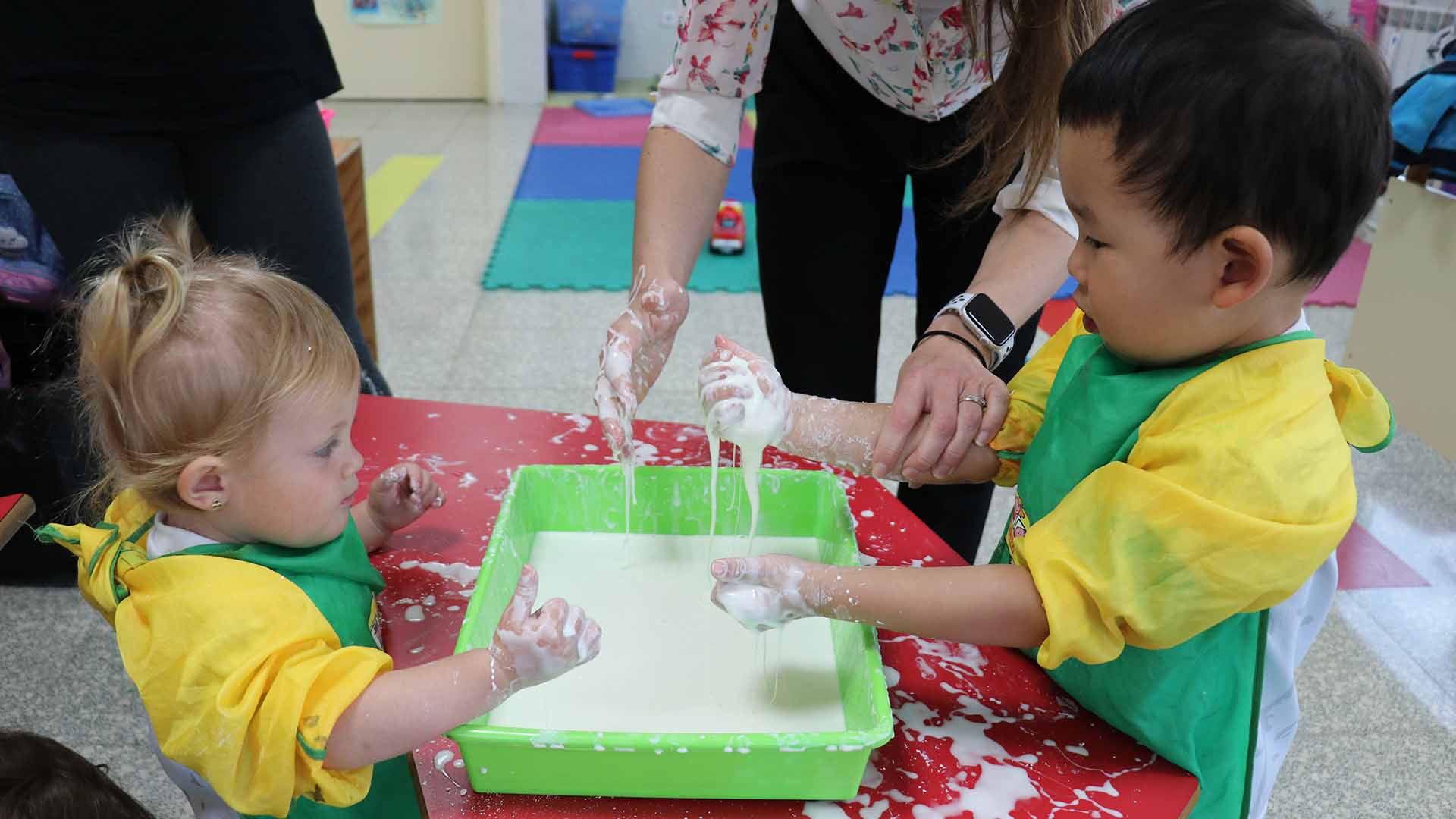
In a society that is evolving at a dizzying pace, preparing children for an uncertain future has become one of the greatest challenges of modern education. It is no longer enough to teach content. Today, the real challenge is to teach children how to think, collaborate, manage emotions and adapt to changing contexts.
Prioritising memorisation over action and curiosity leads to demotivation, a lack of connection with learning and poor development of skills. The skills that will really make a difference in your life.
THE URGENCY OF PURPOSEFUL EDUCATION
When learning lacks meaning or is unrelated to the world that children observe, knowledge loses value.
Numerous studies by organisations such as UNESCO and the OECD indicate that the most effective educational models are those that promote inquiry, autonomy and real-world problem solving from an early age.
Educating for the 21st century therefore means offering experiences that combine emotion, thought and action. At Casvi Villaviciosa, this need translates into a lively methodology: challenge-based learning.
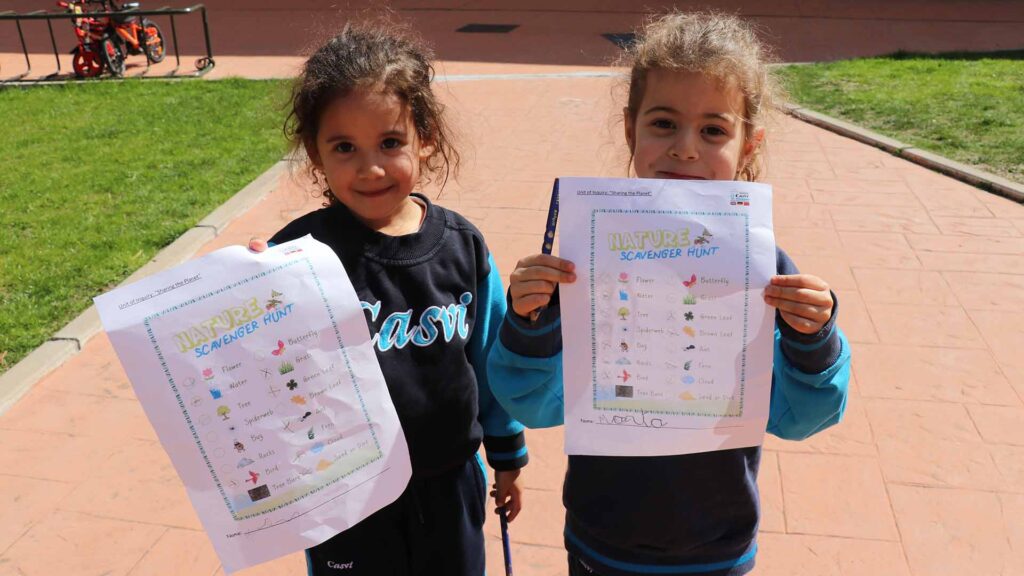
CHALLENGE-BASED LEARNING: LEARNING BY SOLVING REAL-WORLD PROBLEMS
WHAT IS CHALLENGE-BASED LEARNING?
Challenge-based learning (CBL) is an active methodology that encourages students to face authentic situations that require them to investigate, reflect and act in order to find solutions.
Unlike project-based learning, ABR starts with a broad question (“How can we improve our environment?” “What habits promote healthy living?”) that connects knowledge to real life and encourages critical thinking, creativity, and teamwork.
THE TRANSFORMATION BEGINS IN PRESCHOOL EDUCATION
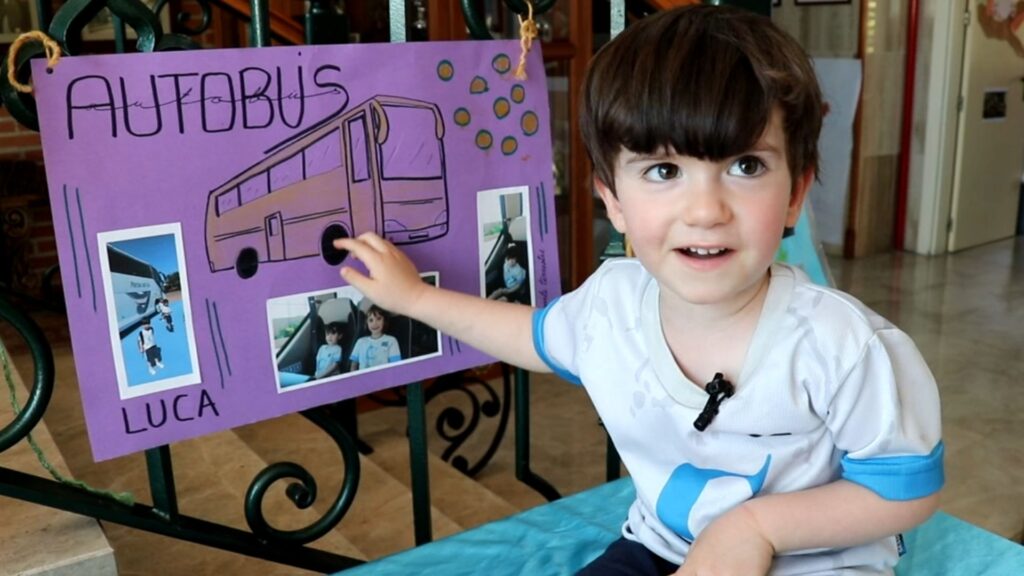
From Preschool Education at Casvi Villaviciosa, we understand that learning goes far beyond theoretical knowledge.
Our pupils embark on a journey in which each challenge awakens their natural curiosity and develops essential social and emotional skills: identifying and managing emotions, practising empathy, collaborating and solving small everyday challenges.
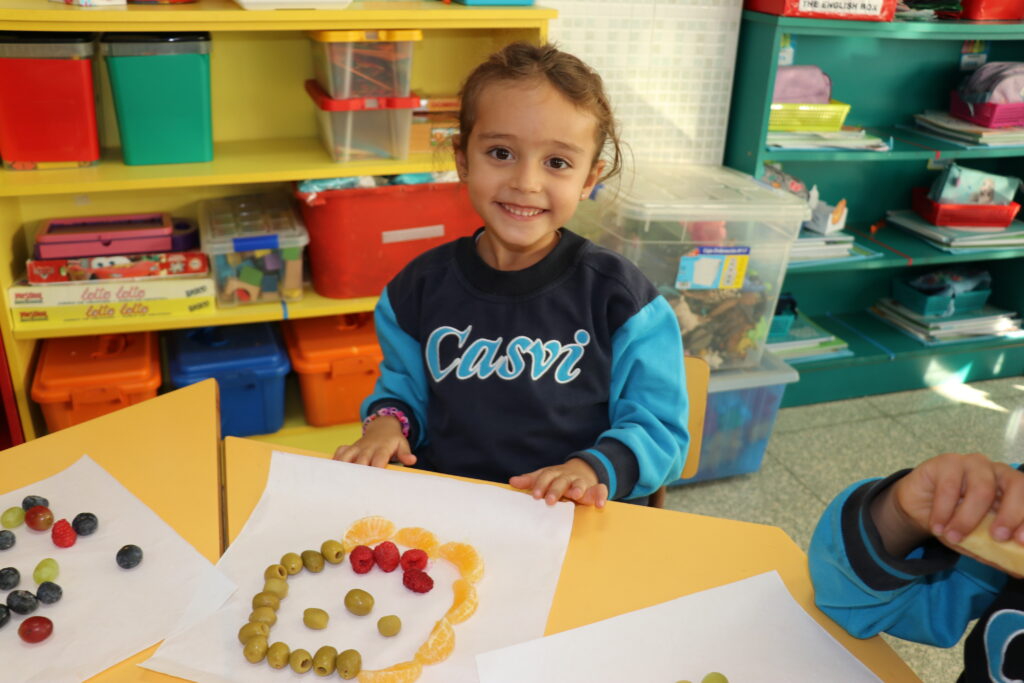
For example, they have organised healthy snacks, designed mini-gardens… All of this strengthens their autonomy, their planning skills and values such as perseverance and responsibility.
CHALLENGES THAT GROW IN PRIMARY SCHOOL
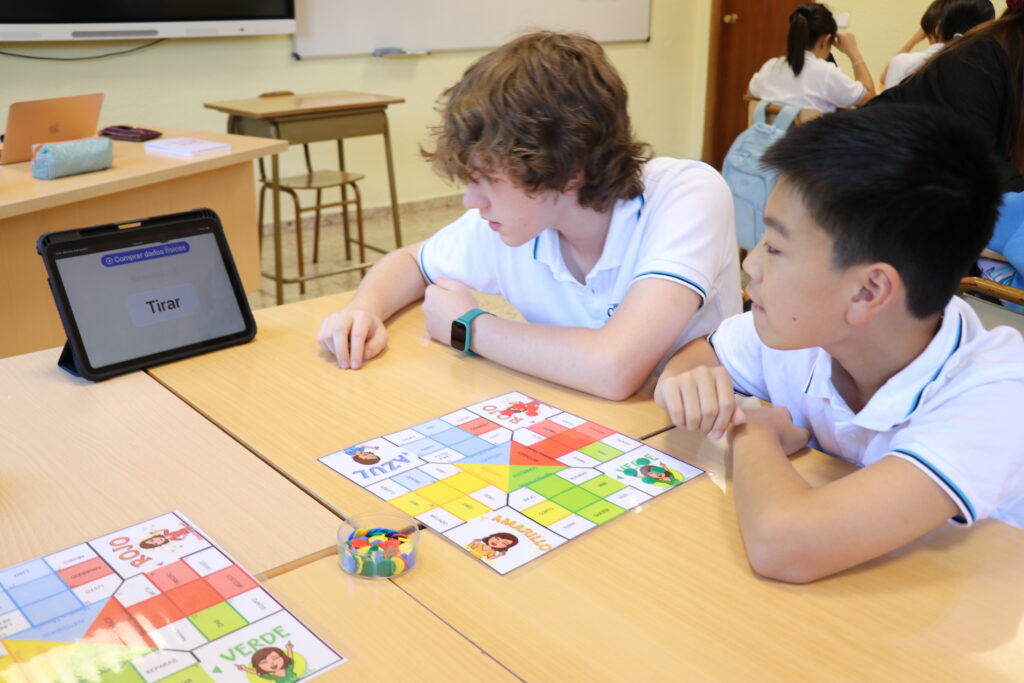
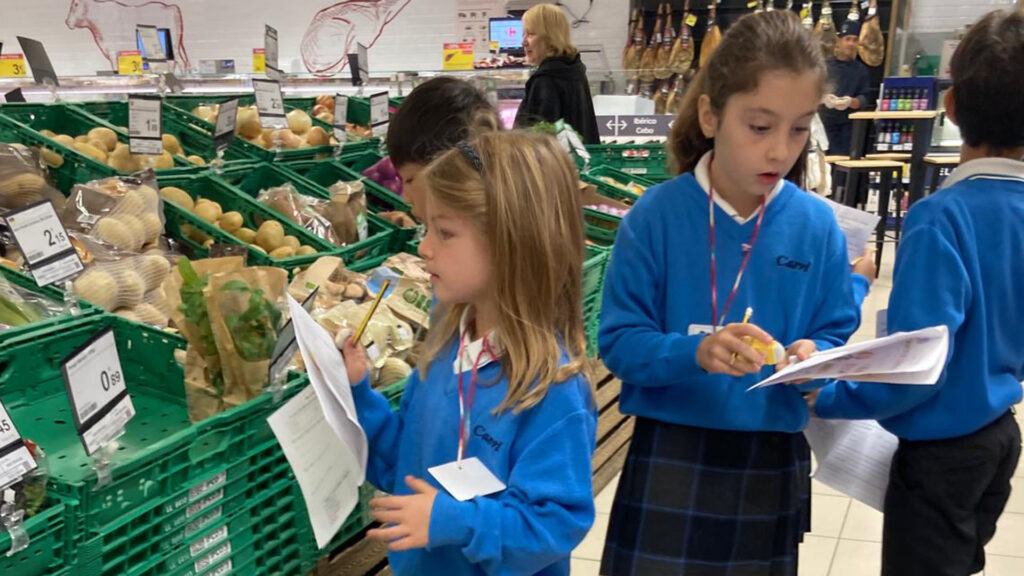
As they progress to primary school, individual challenges become collaborative experiences. Each pupil takes on a role within the group, researching, comparing information and presenting conclusions to their classmates. In this way, they apply what they have learnt in real-life contexts and understand the meaning of each subject.
- In Mathematics, they solve problems applied to everyday life (such as planning a purchase or calculating areas in real projects).
- In Language, they use games to gamify spelling learning, turning the effort into a game of self-improvement.
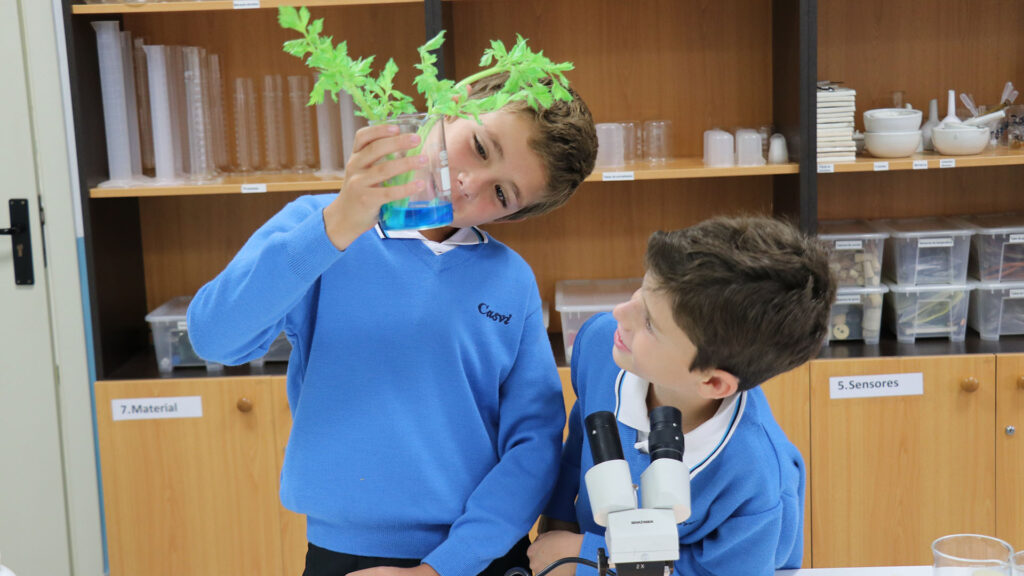
- In Science, they build prototypes or experiments that answer real-world questions.
Through these experiences, students develop key competencies of the IB profile: they are communicators, caring, inquirers and thinkers.
IN THE MYP AND DIPLOMA PROGRAMME: GLOBAL THINKING AND LOCAL ACTION
During the Middle Years Programme (MYP), challenge-based learning reaches its peak in solving global problems linked, for example, to the Sustainable Development Goals (SDGs). Always with the guidance of their teachers.
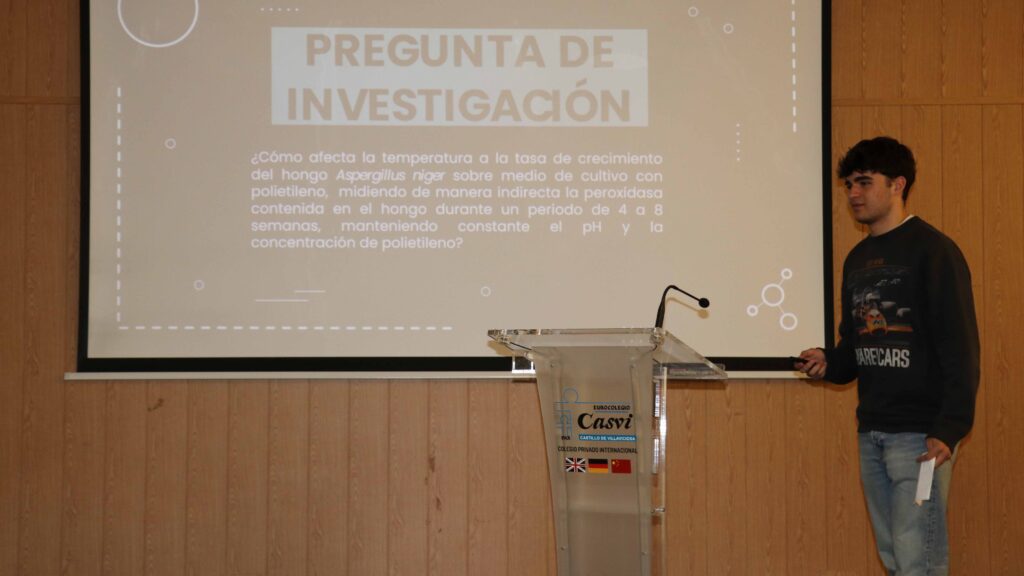
The Personal Project is a prime example: each student chooses a topic they are passionate about — from sustainability to emotional wellbeing — sets their goals, conducts research and publicly presents their work. In this way, they strengthen their autonomy, critical thinking and commitment to the community.
In the MYP and Diploma Programme stages, the challenge is no longer just to learn, but to apply knowledge to transform.
THE KEYS TO SUCCESS IN CHALLENGE-BASED LEARNING
1. What is the importance of challenge-based learning in today's education?
Challenge-based learning drives meaningful education that connects theory with practice, develops transferable skills, and promotes more empathetic and resilient citizens.
2. What are the key skills developed through challenge-based learning?
Critical thinking, problem solving, communication, leadership, emotional management, creativity, and collaborative work.
3. What strategies can be used to implement challenge-based learning effectively?
At Casvi Villaviciosa, strategies such as guided inquiry, continuous reflection, cooperative work and formative assessment are employed. The latter turns mistakes into learning opportunities.
4. How can obstacles to the implementation of challenge-based learning be overcome?
Through ongoing teacher training and coordination between the stages of the IB Continuum (PYP, MYP and DP), which ensures methodological consistency and adaptation to each age group.
5. How can students be motivated in a challenge-based approach?
Dando sentido al aprendizaje. En Casvi Villaviciosa, cada reto se vincula con sus intereses y con problemas del mundo real. Así, los alumnos aprenden porque quieren comprender, no solo aprobar.
CASVI VILLAVICIOSA: A PROVEN AND RECOGNISED EDUCATIONAL MODEL
Casvi Villaviciosa is one of a small group of Spanish schools offering the International Baccalaureate (IB) Continuum, recognised for its excellence and pedagogical consistency.
Its international reputation is based on a firm commitment to innovation, multiculturalism and comprehensive student education.
Tal y como recomiendan la OCDE y la IB Organization, el colegio apuesta por una educación que une pensamiento global, acción local y una profunda conexión humana.
Fostering curiosity
Respond with questions ("Why do you think this happens?") rather than giving definitive answers.
EVALUATE THE PROCESS
Celebrate effort and reflection, not just results.
CREATE FAMILY CHALLENGES
Cooking together, building something, or planning a small project.
PROMOTING INDEPENDENCE
Dejar que los niños tomen decisiones y aprendan de los errores.
RECOMMENDATIONS FOR FAMILIES
How to reinforce challenge-based learning at home