
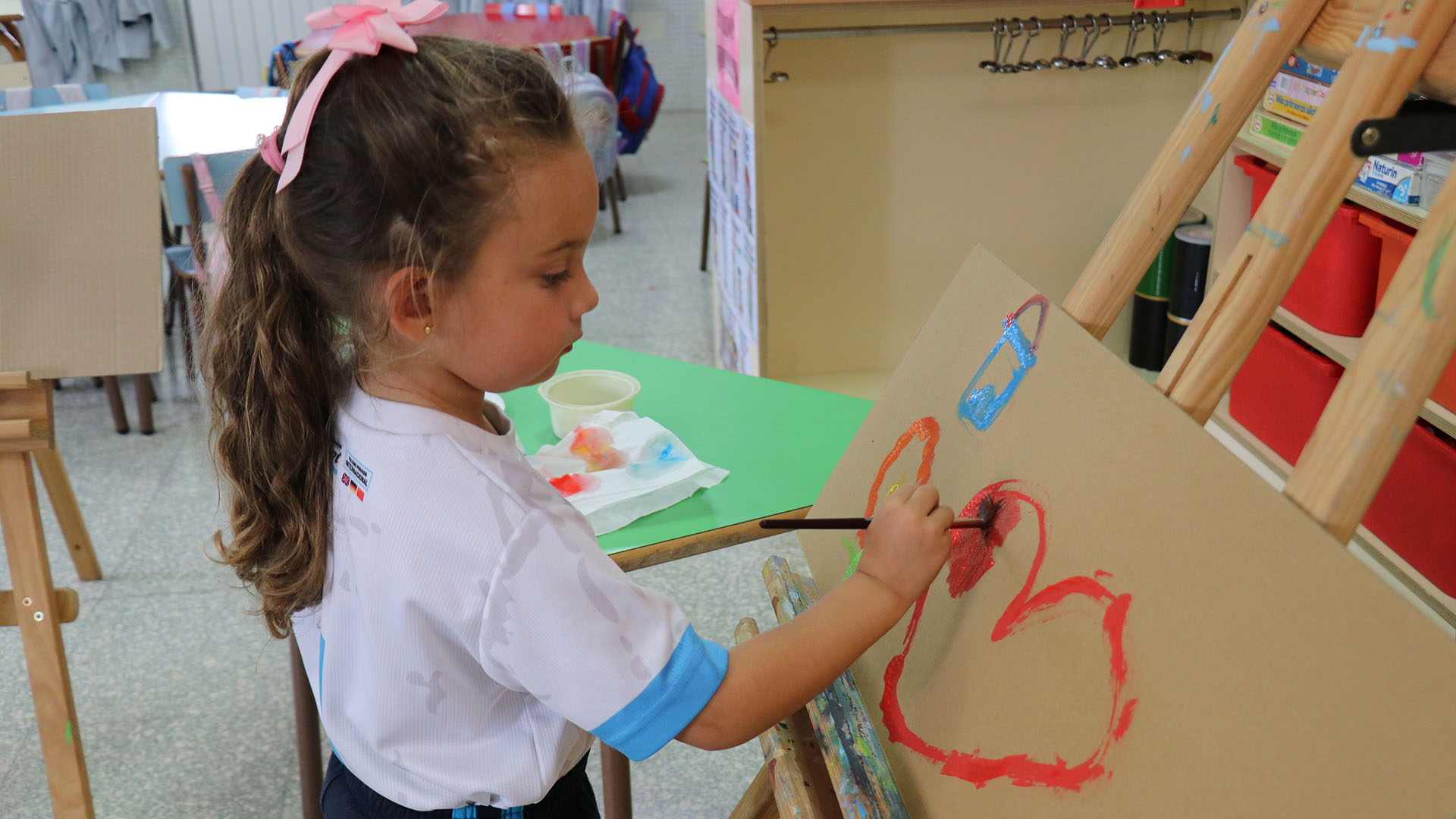
Before they know how to put a name to what they feel, children already express it through creativity. Through drawing, colour and shapes, art becomes an essential emotional language in childhood, capable of channelling emotions, strengthening self-esteem and promoting balanced development. At Casvi Villaviciosa, we understand the link between art and emotions as a key educational tool from an early age.
WHEN EMOTIONS EMERGE BEFORE WORDS
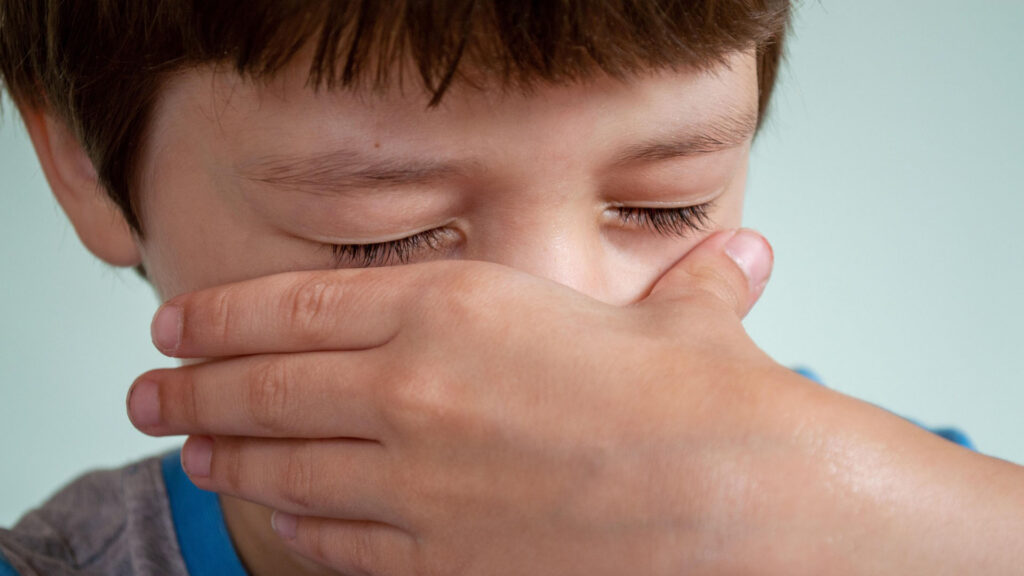
In childhood, emotions are felt intensely long before children know how to explain them in words. Frustration, joy, fear, and anger are part of their daily lives, but they do not always find a way to express them consciously. When they are not offered an appropriate channel, these emotions can manifest themselves in the form of insecurity, mental blocks, or behaviours that are difficult for adults to interpret.
WHAT HAPPENS WHEN WE ARE ACCOMPANIED BY EMOTIONAL EXPRESSION
Emotions that are not expressed do not disappear. They accumulate. If from an early age children are not accompanied in their emotional development, they lose a opportunity key to that learns to know himself, regulate himself and communicate. This can affect not only their well-being, but also their learning, their self-esteem and their relationship with others .
Here is where the link between art and emotions becomes becomes an essential educational tool.
ART AS THE FIRST EMOTIONAL LANGUAGE
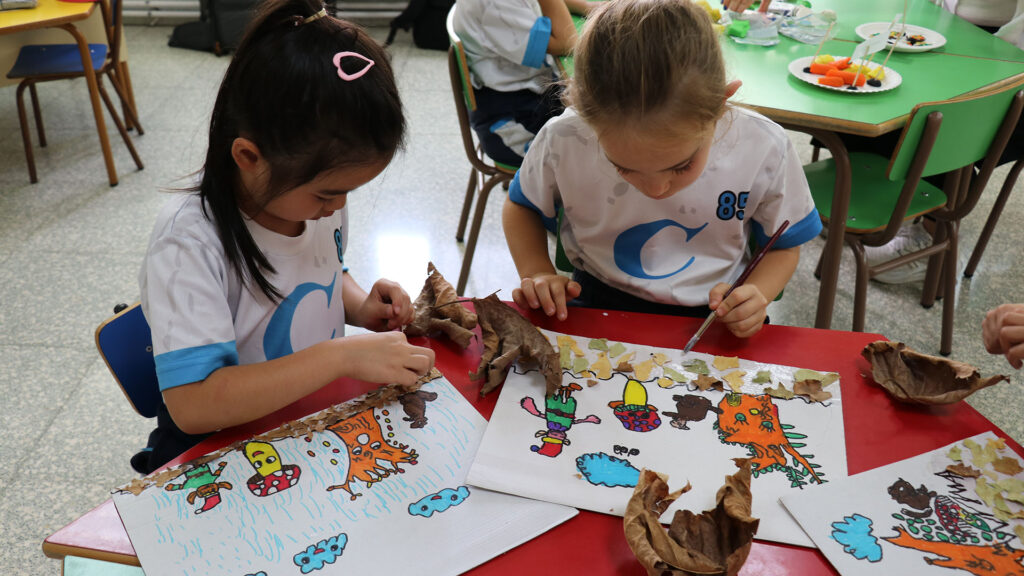
Before learning to write — and even before learning to speak clearly — children already express themselves. They do so through play, movement… and art. Drawing, painting or modelling is not just a activity creative: it is a form of emotional communication emotional.
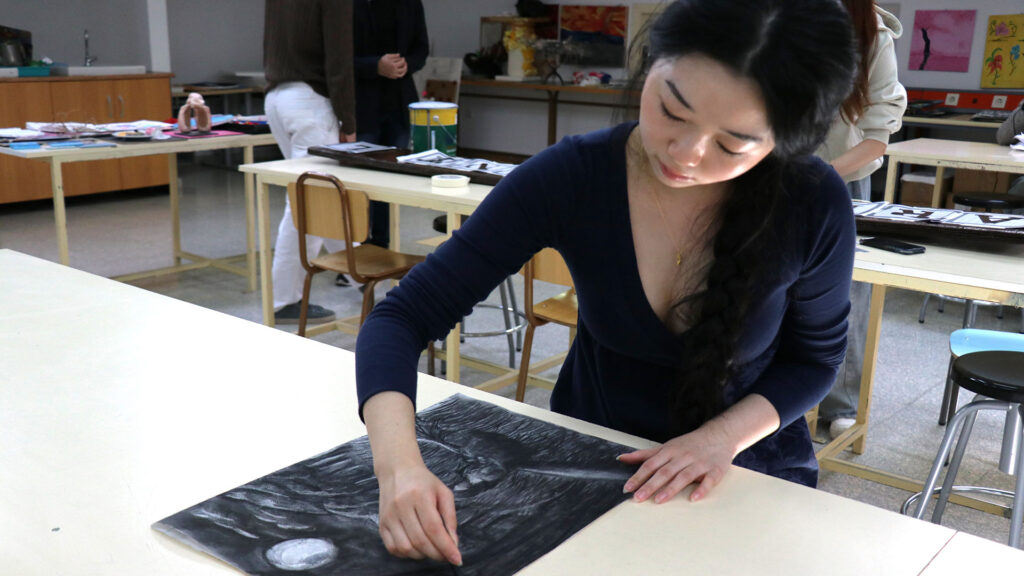
ART AND EMOTIONS: HOW CHILDREN EXPRESS THEMSELVES AS THEY GROW UP
When a child chooses a colour, repeats a stroke or fills a sheet with shapes, they are communicating how they feel. Art allows them to:
- Exteriorizar emociones que no saben verbalizar
- Exploring moods safely
- Release tensions and fears
- Feeling understood without needing to explain yourself
For that reason, the combination of art and emotions is key to children’s emotional development.
EMOTIONAL AND COGNITIVE BENEFITS OF ART IN CHILDHOOD
Working on art from an early age to an early age to an early age provides benefits that can be observed:
- Mayor calma y capacidad de concentración.
- Better recognition of one’s own and others’ emotions.
- Development of self-esteem and confidence.
- Improved communication and empathy.
- Greater creativity and flexible thinking.
Furthermore, the creative process promotes emotional wellbeing and strengthens the link between thought, emotion and action.
THE ROLE OF ADULTS: CREATING SAFE SPACES FOR SELF-EXPRESSION
For art to be a genuine means of emotional expression, the adult must be able to express their emotions. It is not a matter of correcting or seeking “nice” results. It is about respecting the process, observing and listening. When the child feels safe, he dares to express himself freely.
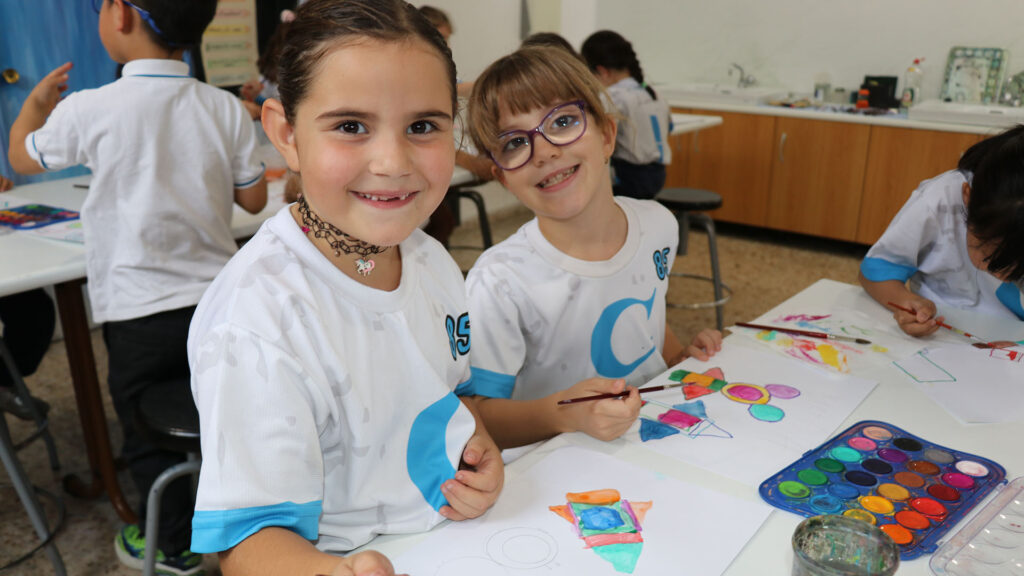
THE ART AND EMOTIONS OF WORK AT CASVI VILLAVICIOSA
At Casvi Villaviciosa, emotional development is an essential part of the educational project from Preschool Education onwards. Art is integrated as a pedagogical tool that allows students to explore, express and understand their emotions from an early age.
Through sensory, creative artistic experiences adapted to each stage, children explore the link between art and emotions in a safe, respectful environment aligned with the International Baccalaureate (IB) methodology.
This approach promotes a balanced development, where emotional wellbeing and learning go hand in hand.
Learn how we work on emotional development in Early Childhood Education at Casvi Villaviciosa Villaviciosa
QUESTIONS FREQUENTLY ASKED ABOUT ART AND EMOTIONS
Why is art a form of emotional expression?
Because it allows communication of feelings without the need for words, using colours, shapes and movements as emotional language.
¿Cuál es la relación entre el arte y las emociones humanas?
Art reflects internal emotional states and facilitates their understanding and expression in a safe manner.
¿Por qué algunas personas encuentran consuelo en el arte cuando viven emociones difíciles?
Because the creative process generates calmness and concentration and offers a space for emotional release.
¿Puede el arte ayudar a procesar y expresar emociones?
Yes. Art facilitates emotional reflection and allows complex feelings to be expressed.
¿Puede el arte ayudar a comprender mejor las propias emociones?
Without a doubt. Through art, emotional self-awareness and awareness of what one feels are developed.