

July arrives, the classrooms close and the clock gives way to the long-awaited promise of a family summer break. However, for most parents with young children, the transition to the summer holidays is often accompanied by an unexpected guest: a dramatic spike in tantrums, irritability and pdifficulty falling asleep.
If, in these first days of July, you notice that your son aged 3 to 6 years old is more rebellious, defiant or sensitive than usual, you aren’t alone. It is a normal biological reaction which, fortunately, has a solution if we know how to protect their routines as children in summer.
THE BIG FAMILY CHALLENGE: WHY DOES THE LACK OF TIMETABLES UPSET THE YOUNGEST CHILDREN
For the mind of an adult, the word “holidays” is synonymous with spontaneity. However, for the brain of a child of pre-school age, the lack of structure is a direct source of stress. At this stage of development, children need predictability to feel secure; to know what is coming next (going into the classroom, eating, having a nap, playing) gives them a sense of calm.
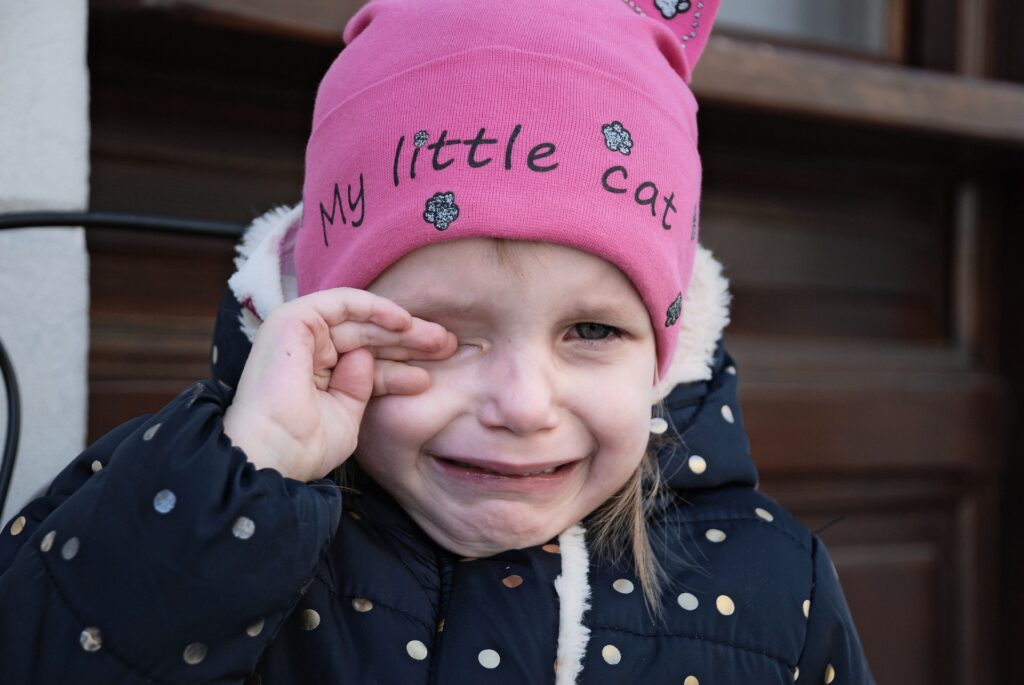
When we suddenly remove all the time-related cues from the school year, the child loses their internal compass. Not knowing what to expect from the day leads to uncertainty. This is an emotion that very young children are unable to put into words, and which ends up manifesting itself in the form of disobedience or uncontrollable crying.
THE PERIL OF DISORGANISATION: THE VICIOUS CIRCLE OF CORTISOL
The real risk of summer is not missing the time for dinner one day on time to watch the fireworks display. The real danger is the cumulative effect of the disorganisation. From the Department of Guidance at Casvi Villaviciosa, the experts remind us that delaying sleep rest in a systematic manner disrupts the production of melatonin (the hormone of sleep) and increases the levels of cortisol (the hormone of stress).
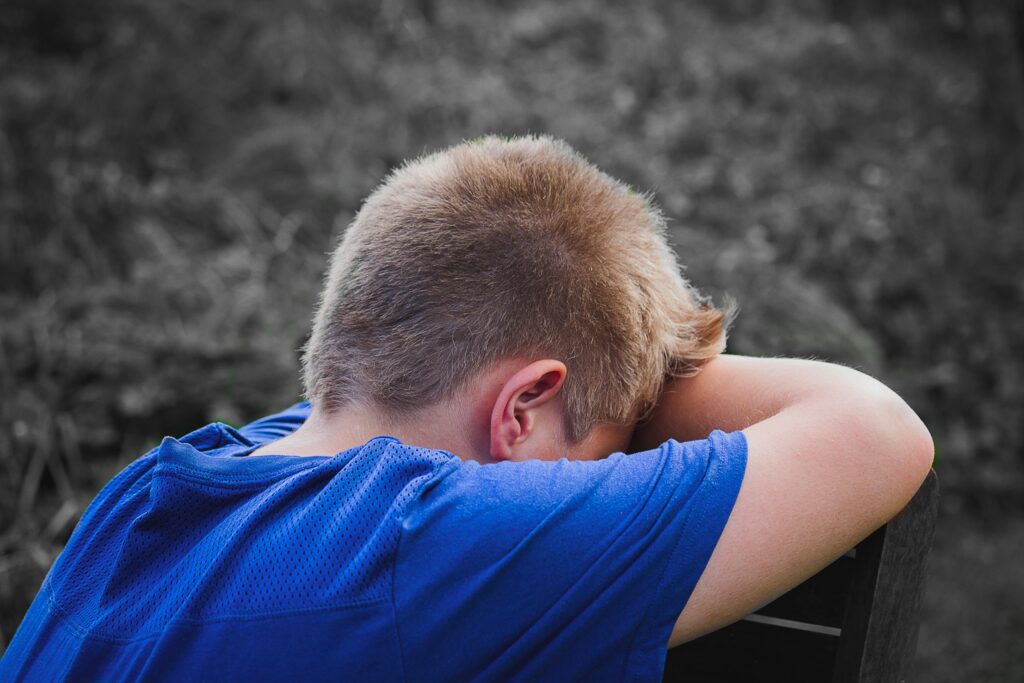
The result? An overstimulated child who refuses to go to bed, sleeps less well and wakes up the next morning with a drastically reduced tolerance for frustration. If this isn’t nipped in the bud, the family’s holiday weeks turn into a vicious circle of chronic tiredness for the child and mental exhaustion for the parents. Do you really want your holiday weeks to turn into a constant battle over every meal or tantrum?
KEY NEUROEDUCATION TIPS FOR MAINTAINING CHILDREN’S ROUTINES DURING THE SUMMER
Achieving balance at home does not mean imposing a military discipline on the beach. It means applying what we in child psychology call “ structured flexibility structured flexibility”. Our team of educational specialists proposes four practical and proven strategies to maintain family harmony:
- Apply the rule of the 90 minutes: It’s fine to relax the schedules, but try to ensure that mealtimes and sleep times do not vary by more than one and a half hours from those in the school routine. That way you’ll prevent their biological clock from going get out of sync completely with.
- Create a visual holiday map: Young children are purely visual learners. Work with them to design a poster using simple pictograms (swimming pool, food, reading, beach, sleeping). Looking at this map each morning gives them a sense of control over their day and drastically reduces separation anxiety or anxiety caused by changes to plans.
- Establish safety ‘anchors’: If you’re spending a few weeks away from home, carry over small, familiar rituals to your new surroundings. Read their favourite story before their nap or sing the same song before turning off the light (even if you’re in a hotel room). All of this signals to their brain that they’re in a safe place and ready to rest.
- Wind down before dinner: The July sunshine tempts you to make the most of the day, but a child’s brain needs a transition period. Two hours before bedtime, swap high-energy games and screen time for relaxing baths, soft music or jigsaw puzzles. This will help them ease naturally into a deep sleep.
CASVI URBAN CAMP: THE SOLUTION FOR ACHIEVING AND MAINTAINING FAMILY BALANCE
We are aware that it is necessary to balance the needs at work of the parents with the need for order and rest for the youngest children is a real game of juggling during the summer months. That’s why, at the Casvi International School in Villaviciosa we have designed the space ideal for providing a solution to both situations.
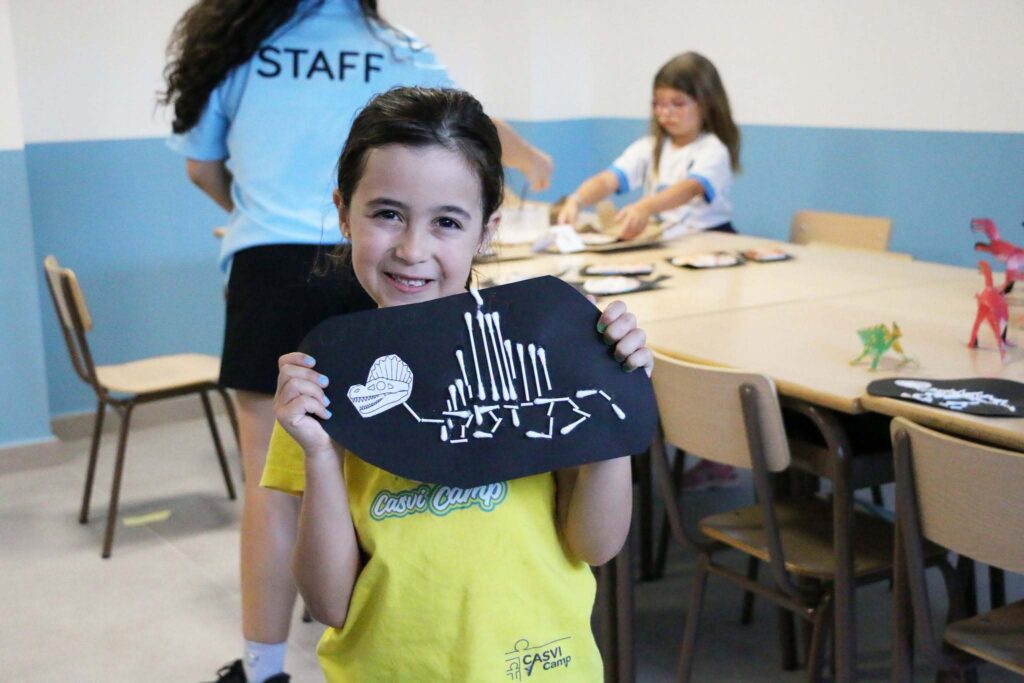
Our Casvi Urban Camp offers the children of pre-school age a safe environment where maintain the rhythm of some routines that are healthy and stable, essential for their emotional development.
A través de actividades guiadas por profesionales de la educación, juegos temáticos y socialización activa, los niños canalizan su energía de forma positiva y lúdica. El resultado es un verano estimulante para ellos y la garantía de que volverán a casa relajados, facilitando el bienestar y la paz en todo el hogar.
Do you want to ensure a summer that’s balanced, fun and stress-free for your children?