
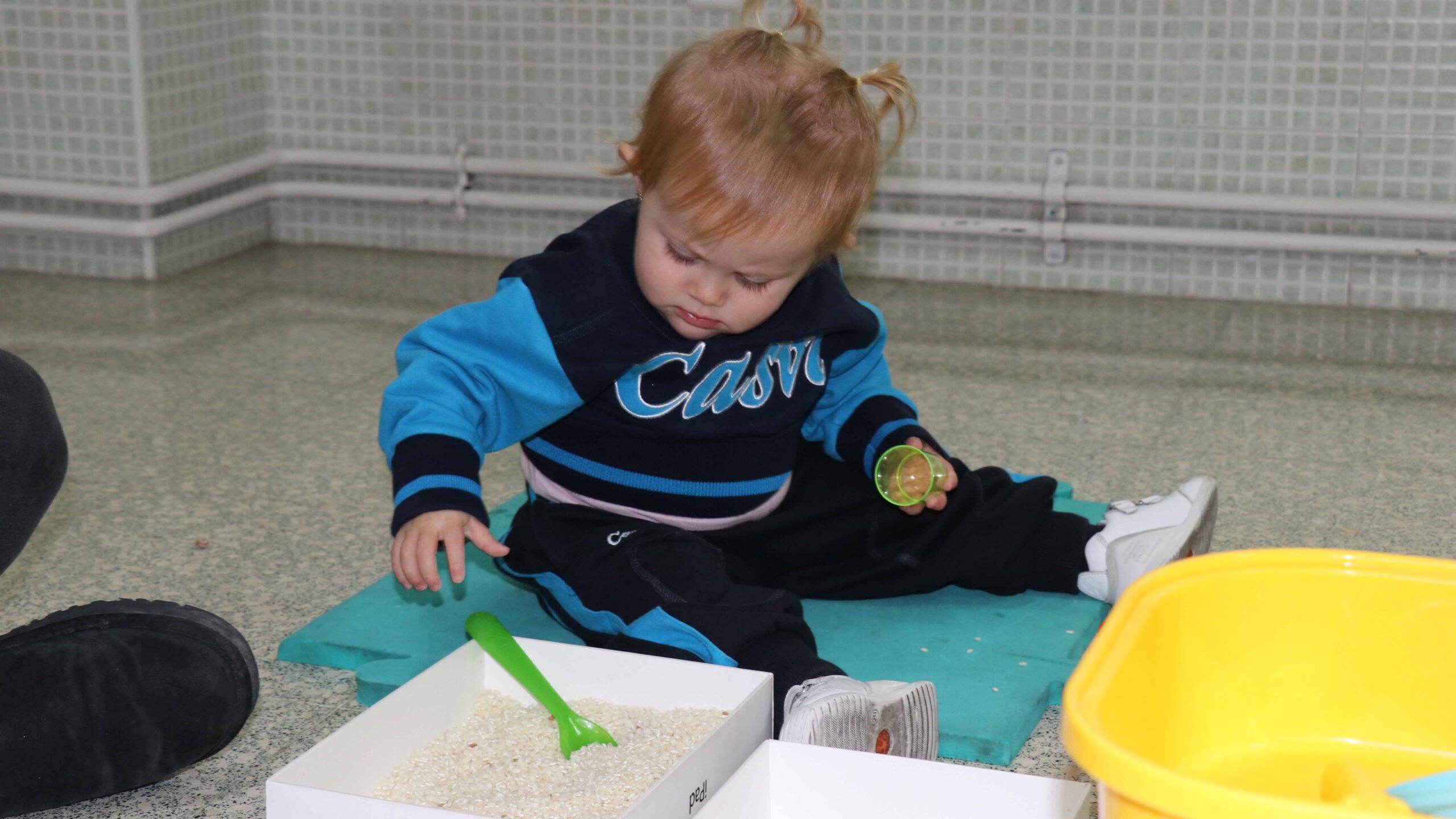
The thermometer just keeps on rising, the midday hours of the day force us to take shelter indoors and, all of a sudden, echoes through the living room the phrase that every parent fears during the holidays: “Mum, Dad… I’m bored. For many families, summer turns from being an idyllic break to become a challenge to living together. In those moments of exhaustion, trapped at home during the hours of the greatest heat, the temptation to switch on the television or hand over the tablet is enormous.
However, that relief immediately tends to turn into guilt. Families are desperately seeking real alternatives with activities to stimulate children’s minds without having to resort to the resorting to digital inactivity.
THE CHALLENGE OF MIDDAY: THE FEAR OF BOREDOM AND THE DIGITAL REFUGE
During the school year, young children’s daily lives are governed by routines. In summer, the idle hours of midday seem to drag on forever, and parents face the pressure of having to act as entertainers 24 hours a day. The fear that children won’t know how to manage their free time and will become listless drives parents to look for activities for children at home that are simple, affordable and capable of competing with the pull of overstimulating screens.

The IMPACT OF PASSIVE OVERSTIMULATION ON SCHOOL DEVELOPMENT
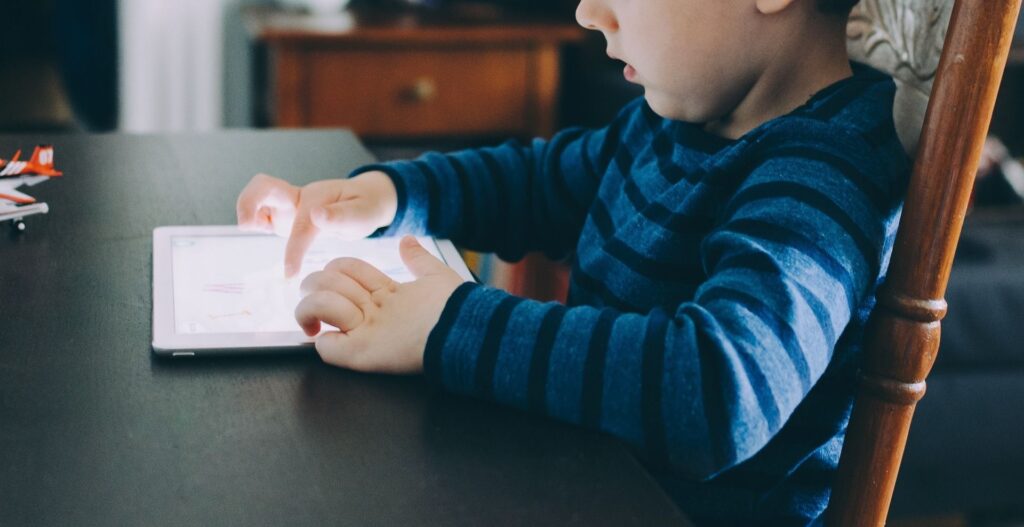
Using electronic devices as a “digital babysitter” to get through a difficult afternoon is an understandable resource, but its overuse comes at a high cost. From the Department of Guidance of Casvi Villaviciosa, warns about the impact of this practice:
“The passive use of screens during the stage of 3 to 5 years disrupts the periods of focused attention, slows down the development of the pincer grip —necessary for writing— and drastically reduces tolerance for frustration. Boredom, when properly managed, is not negative; it is the driving force behind creativity in children. If we provide an stimulus that is automated and immediate, we negate their ability to invent”.
A child’s brain exposed to immediate rewards from the videos and algorithms becomes becomes unable to tolerate the pace of the real world. When the screen is turned off, the child tends to become more irritable, apathetic and with less initiative for free play. The holidays should be the perfect setting for imagination. Do we really want for the summer memory of our children be reduced to a loop of videos?
10 EDUCATIONAL ALTERNATIVES: GAMES FOR CHILDREN AGED 3 TO 5 YEARS TO PLAY INDOORS
To turn the hours of play into opportunities for cognitive and motor development, our team of teachers in Preschool has designed a selection of activities for children at home. These are activities that are easy to organise, based on sensory learning and adapted as games for children aged 3 to 5 years:
1. The tunnel for washing toys (eye-hand coordination):
Place a basin filled with soapy water and another filled with clean water. Offer them toothbrushes with toothbrushes used to clean their plastic dolls. Encourages independence and manual dexterity whilst they play with water in a in a controlled manner.
2. Painting with ice in colours (Sensory stimulation)
Freeze water with food colouring in an ice cube tray, adding a popsicle stick to each compartment. Painting on large pieces of card whilst the ice changes shape and melts stimulates the sense of touch a19> shapes and melts stimulates touch and experimentation with physical properties (cold/heat, solid/liquid).
3. Tracks for racing with ribbons from a coachbuilder (Spatial orientation)
Stick strips of tape on the floor to create roads, bends and areas for parking. It is ideal for the development of the game symbolic play and the structuring of three-dimensional space.
4. Mini vegetable garden for vegetables (Science and patience)
The classic experiment involving sprouting pulses in a glass with moist cotton wool. Observing the growth day by day teaches them about the cycles of of nature, awakens their scientific curiosity and cultivates patience.

5. Archaeology in the freezer (Solving problems and perseverance)
Congela pequeñas figuras de dinosaurios dentro de un bloque de hielo. Con ayuda de un pincel, un gotero y agua templada con sal, deberán averiguar cómo “excavar” y liberar a los animales, trabajando la concentración prolongada.
6. Chinese shadow theatre (Language and creativity)
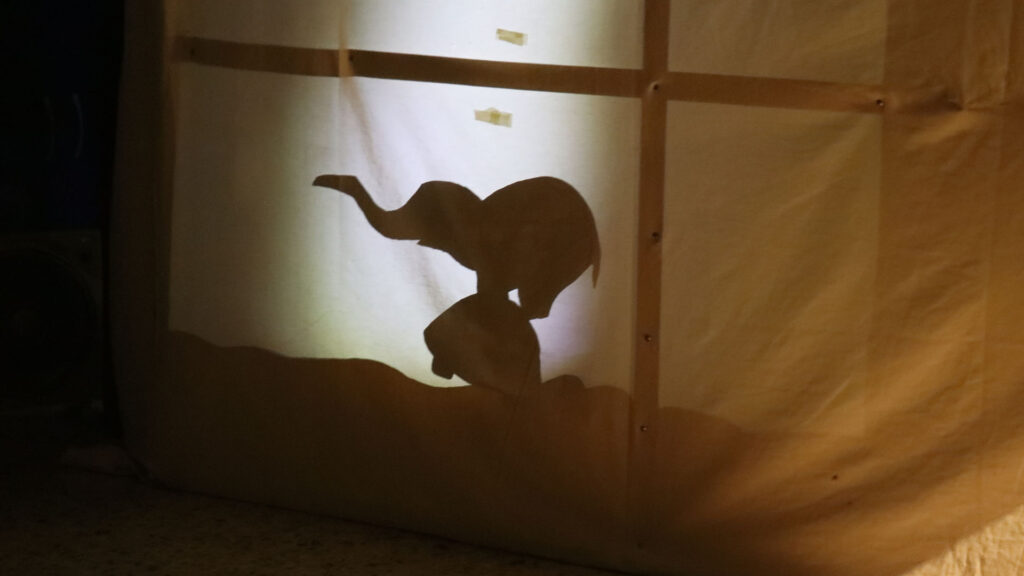
Shine the light from a torch against a white wall with the blinds down. You can play a game of guessing shapes with your hands or create silhouettes out of cardboard to make up stories, significantly improving their oral expression and vocabulary.
7. The “I see, I see” sensory (focused attention):
Fill a bottle made of plastic that is clean with rice or pulses and put small objects inside (a button, a paperclip, a rattle). The child should turn and shake the bottle to find the items, training their visual acuity and discrimination of shapes.
8. Circuits for balance in the corridor (Proprioception and postural control)
Draw lines straight or curved on the floor using tape or wool. Ask them to walk along them barefoot, carrying a small cushion on their head. Excellent for the development of dynamic balance and awareness of one’s own body.
9. Building activities using paste and plasticine (Digital pincer grip and fine motor skills)
Use macaroni uncooked or spaghetti so that they can be stuck into balls of plasticine, building towers. This activity strengthens the muscles of the fingers and the phalanges essential for future grip of the pencil and writing.
10. The corner of the hideaway secret (Free play and self-regulation)
Build a den using the frame of a couple of chairs and an old sheet. Turning this space into their ‘reading corner’ or a quiet play area helps them to relax and wind down during nap time.
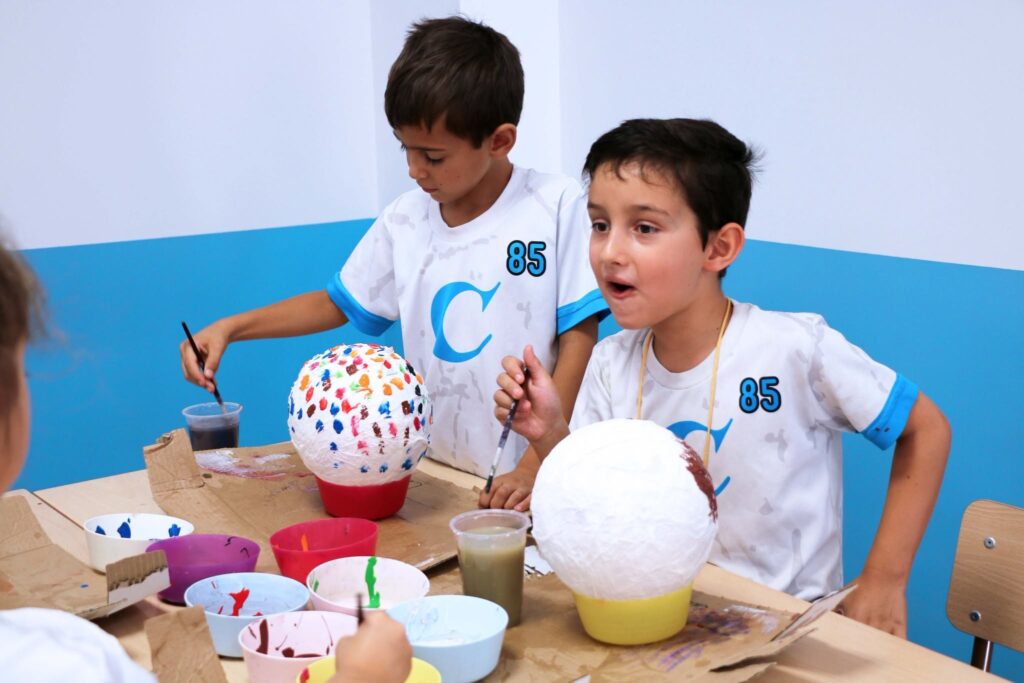
Casvi Camp Urbano: The place ideal for an summer full of activity and free from screens
Somos conscientes de que preparar, supervisar y limpiar estas actividades diariamente —mientras se compagina con el teletrabajo o las responsabilidades del hogar— puede llegar a ser agotador para las familias. En el School International Casvi Villaviciosa We believe that summer is the perfect time for the children explore the environment through physical activity, socialisation and disconnecting from technology.
Because of all this, our Casvi Camp Urbano is establishing itself as the perfect alternative for the summer months. At our facilities, your children will take part in a comprehensive programme of activities for fun, workshops on specific themes that encourage creativity, sports and swimming, all of which is led by qualified professionals.
We offer, as well as, a safe environment where interaction with peers and experimentation physical experimentation completely replace the digital devices. In this way, we ensure that the children return home happy, energised and ready for a rest of high quality.
Do you want to transform your children’s days into an experience of learning for them a7> into an experience of active learning and free from screens?