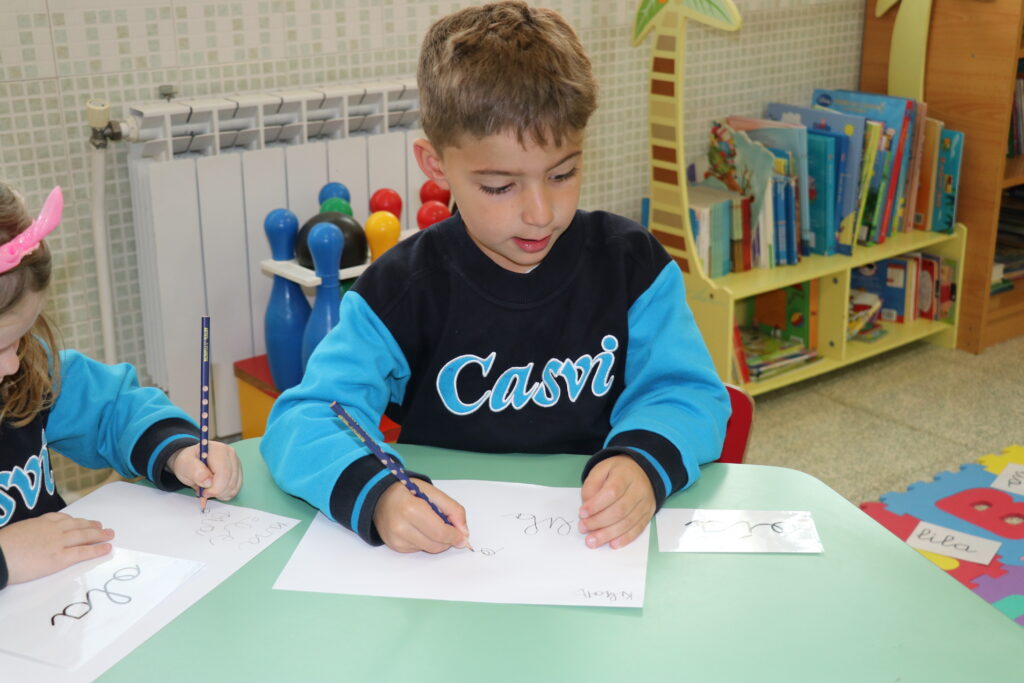
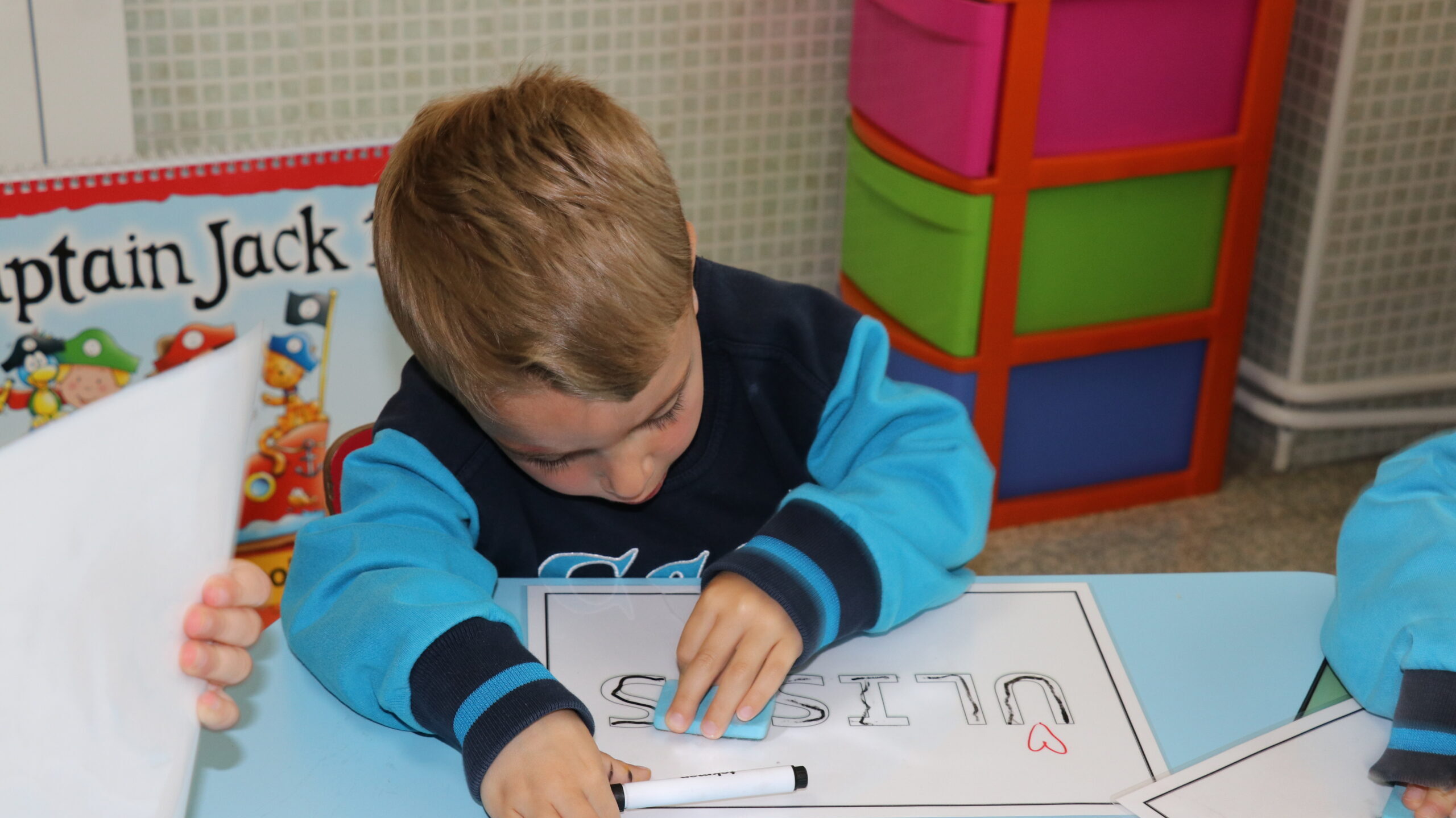
Llega el verano, las mochilas se guardan en el armario y los días se llenan de piscina, playa y largas tardes al aire libre. Es el descanso que los más pequeños se han ganado a pulso. Sin embargo, para muchas familias, esta desconexión total viene acompañada de una sombra de preocupación: el temor al “retroceso” veraniego (el conocido summer slide). Es completamente natural que te preguntes si tantos meses alejados de las rutinas de la escuela infantil afectarán a su ritmo de aprendizaje y, sobre todo, a la adquisición, fluidez y riqueza de su habla. El dilema está servido: ¿cómo mantener activo su desarrollo cognitivo sin transformar las vacaciones en una pesada e incómoda obligación escolar? ¿Es posible estimular el lenguaje infantil en verano?
THE RISK OF A TOTAL HALT IN COMMUNICATIVE STIMULATION IS REAL
During the summer months, the lack of guided activities can lead to cause children to lose some fluency in communication, slow down the expansion of their vocabulary or start to show difficulties with the pronunciation of phonemes which they had already almost mastered. Seeing that your son takes a small step backwards after all all the progress made during the course leads to a great deal of frustration.
But be careful: forcing them to sit down in front of a primer for traditional reading or to repeat words in a mechanical manner between a dip and another dip will only lead to rrejection, tantrums and a atmosphere of tension which nobody wants during the holidays. The key is not to turn the summer into school time. It is to transform the holiday environment into the best setting for learning.

STRATEGIES AND PRACTICES TO STIMULATE LANGUAGE IN CHILDREN DURING THE SUMMER
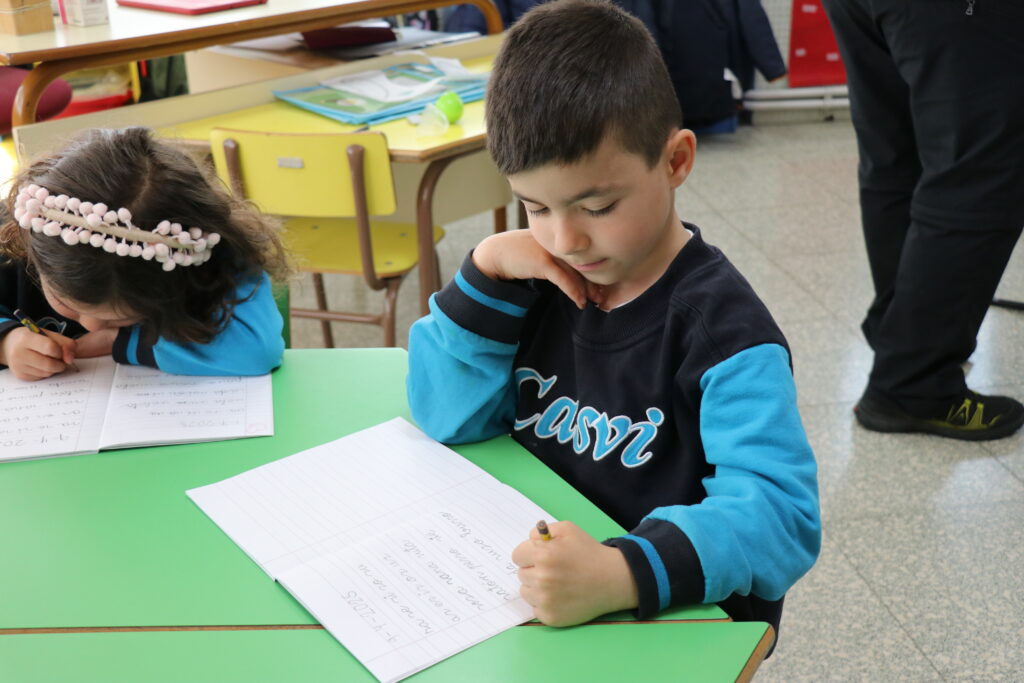
neuroeducation shows that the brain of children learns a11> learns through the emotion, experience and play. You don’t need a whiteboard or worksheets for homework to stimulate language in young children; the holidays offer moments everyday moments that are perfect for enriching their minds in a natural way.
From the Casvi International School in Villaviciosa, we suggest four activities with a pedagogical to put into practice easily on the beach, in the car or at the swimming pool:
1. The “Diary on board” inverted (Structuring of thought):
Instead of asking the typical question of “What have you done today?” (which they usually answer with a single syllable), use techniques for asking open-ended and follow-up questions. Try saying: “If you had to choose the time most fun part of today at the beach to tell your grandparents about, which would it be and why exactly?”. This forces them to put the events in chronological order, choose precise adjectives and exercise their working memory.
2. Mental exercises on the towel (Phonological awareness):
Word games are the perfect introduction to reading and writing. As well as the classic ‘I spy’, try playing ‘Word chain’ (create a word using the last syllable of the previous one) or “Phonetic Intruder”: say three words that start with the same syllable and one that doesn’t (“duck, ball, pear, house”) and challenge your child to spot the intruder. It’s an ideal way to practise their auditory discrimination whilst you wait for them to finish digesting.
3. Mini-Chefs in action (active vocabulary and complex commands):
Summer cooking (making homemade ice cream, a salad or a cold cake) is a language laboratory. Involve your child by reading the recipe aloud to them and asking them to carry out sequences of two or three steps (“First, wash the strawberries; then, put them in the blender; and finally, add the milk”). This helps them expand their vocabulary of specific action verbs (whisk, blend, sieve) and grasp concepts of quantity and logic.
4. Reading together and actively: children’s stories for the summer:
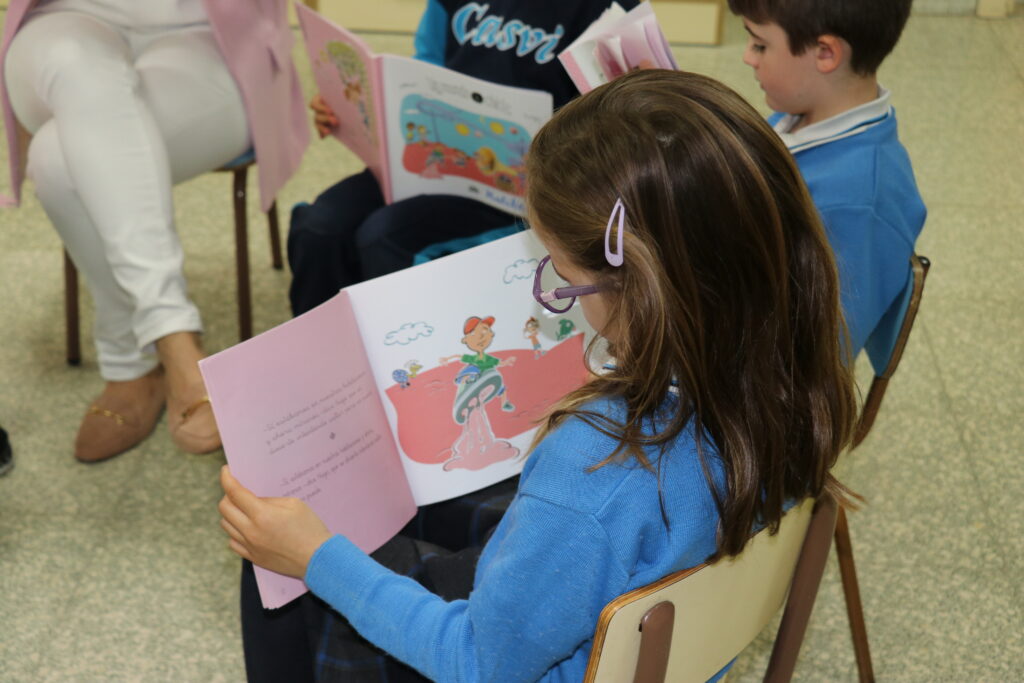
Reading habits during the holidays should stem from enjoyment. When choosing children’s stories for the summer, look for themes that relate to what they’re experiencing (the sea, nature, travel) but practise dialogic reading. Don’t just read the text: pause to look at the illustrations, ask them “What do you think is going to happen next?”, “How do you think the main character feels?” or have a go at making up a completely daft ending.
THE COMMITMENT OF CASVI VILLAVICIOSA: A PROJECT EDUCATIONAL CONTINUOUS FROM THE AGE OF 2 YEARS.
At the Eurocolegio Casvi Villaviciosa International School, we believe that language is the primary tool through which children organise their thoughts and understand the world. For this reason, in our Early Years Education programme, we do not follow a rigid rote-learning model; we base our approach on the International Baccalaureate (IB) Programme Model, where learning is transdisciplinary, experiential and stems from the pupils’ own inquiry. This is exactly the same as the activities we are proposing for you to take part in this summer.
Our team of educators, supported on an ongoing basis by the Guidance Department and language specialists, provides personalised support for each child. In this way, we ensure that their transition to communication is natural, bilingual and stimulating, paving the way for their future academic and personal success in a safe and caring environment.
If you want to find out in detail how we develop linguistic skills, cognitive and emotional skills of our pupils from early childhood, we invite you to discover our classrooms and our educational programme.