
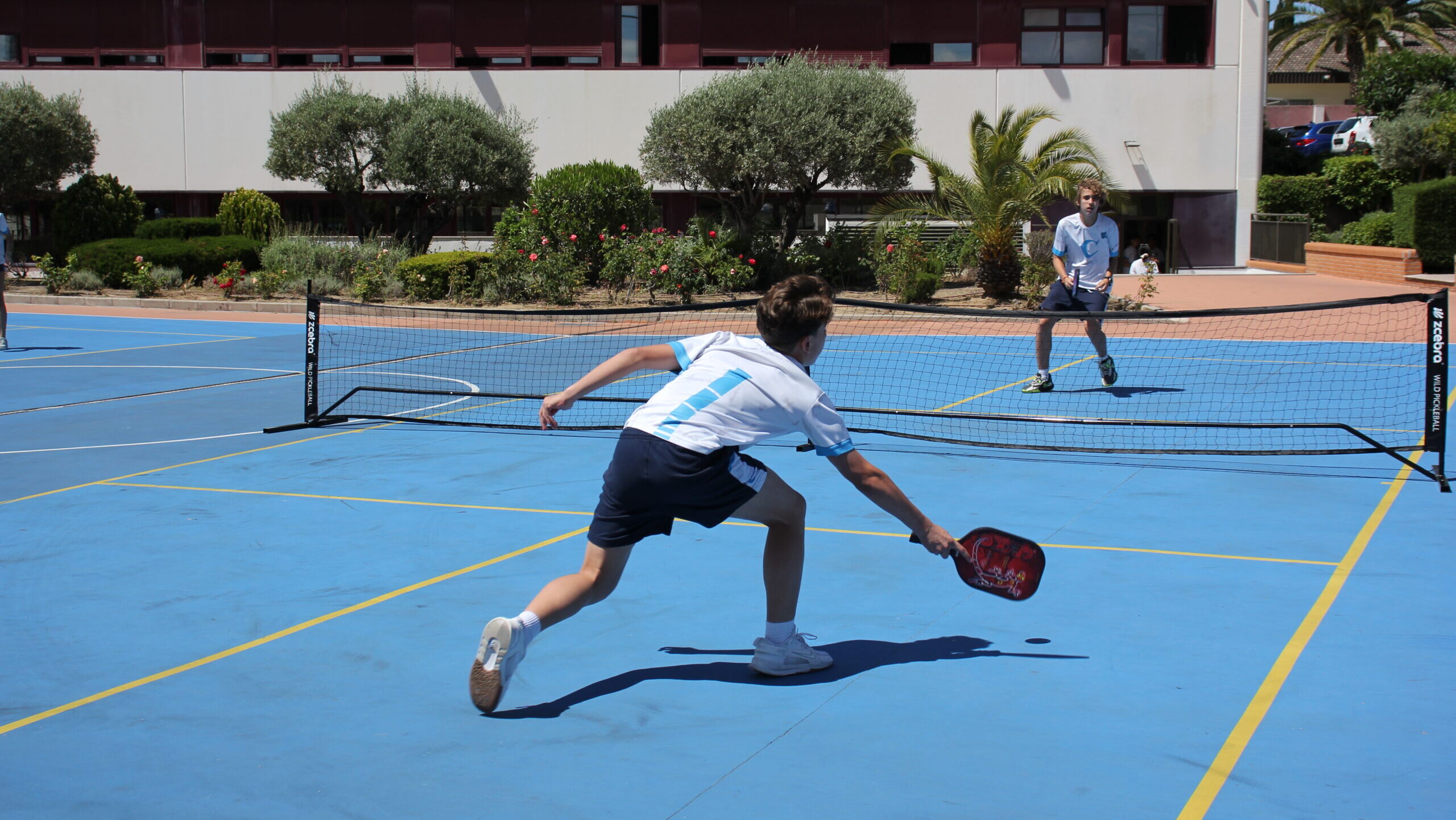
Many parents believe that training hours take time away from their children’s studies. However, modern science debunks this myth. There is a necessary link between the sport and education which helps the children to achieve better grades and to strengthen their cognitive functions.
THE PROBLEM OF SPENDING TOO MANY HOURS SITTING DOWN
Nowadays, a sedentary lifestyle among children is a growing concern of late. Children spend a large part of the day sitting in front of books or screens. The problem is that the brain is not designed for prolonged inactivity. According to the neuroscientist from the University of New York, Wendy Suzuki, a lack of movement reduces the production of key neurotransmitters. Without the right balance between sport and education, the pupils get tired more quickly, get stressed and lose the ability to process new information.
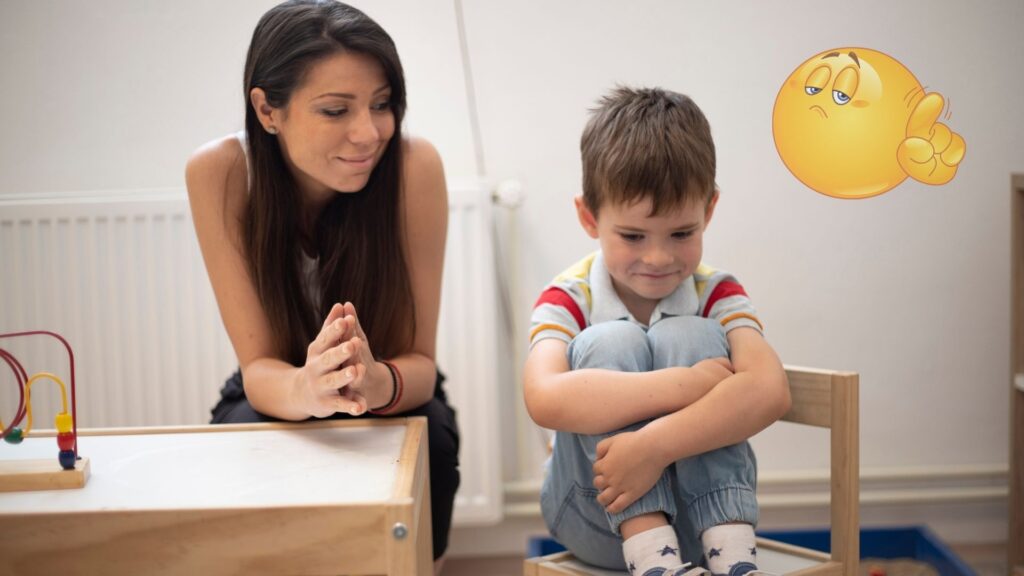
WHAT HAPPENS IF WE DON'T MOVE ENOUGH?
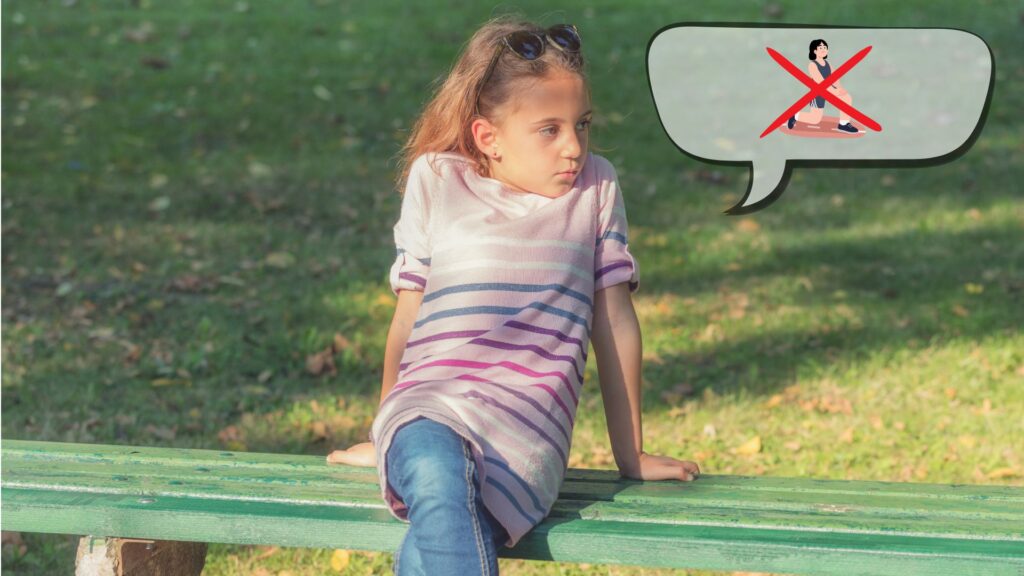
Ignoring physical activity has a direct impact on academic performance. A child who does not take part in sport tends to show a slower memory and greater irritability. According to the World Health Organisation (WHO), la falta de actividad física afecta negativamente al desarrollo de las habilidades motoras y sociales. Si descuidamos el binomio sport and education, the brain loses “plasticity”, making it difficult for pupils to maintain their attention on complex tasks during the school day.
THE SCIENCE BEHIND SPORT AND EDUCATION
Physical exercise is not an interruption to learning, but rather its best catalyst. When a child runs or plays, their brain releases a protein called BDNF. This substance acts as a ‘fertiliser’ that helps to create new neurons in the hippocampus, the area of the brain responsible for memory.
BENEFITS CONFIRMED BY SCIENCE
- Long-term memory: Aerobic exercise helps to consolidate what has been learnt in class.
- Spotlight and focus: According to studies by the School of Medicine at Harvard, sport improves logical thinking and mental agility.
- Stress management:Sportandeducation together help to release endorphins, reducing anxiety about the exams.
- Improved behaviour: Physical activity helps to manage impulsivity and improves classroom behaviour.
“The lack of activity destroys the good condition of every human a9> human being, whereas movement and physical exercise preserve it.”
PLATO (Greek philosopher)
AN ACTIVE BODY LEARNS BETTER
Researchers such as Dr. John J. Ratey, a professor of psychiatry at Harvard, have shown that programmes incorporating sport and education improve the results in mathematics and language. An active lifestyle prevents mental exhaustion. By encouraging the sportfrom childhood, we build a solid foundation for personal and academic success.
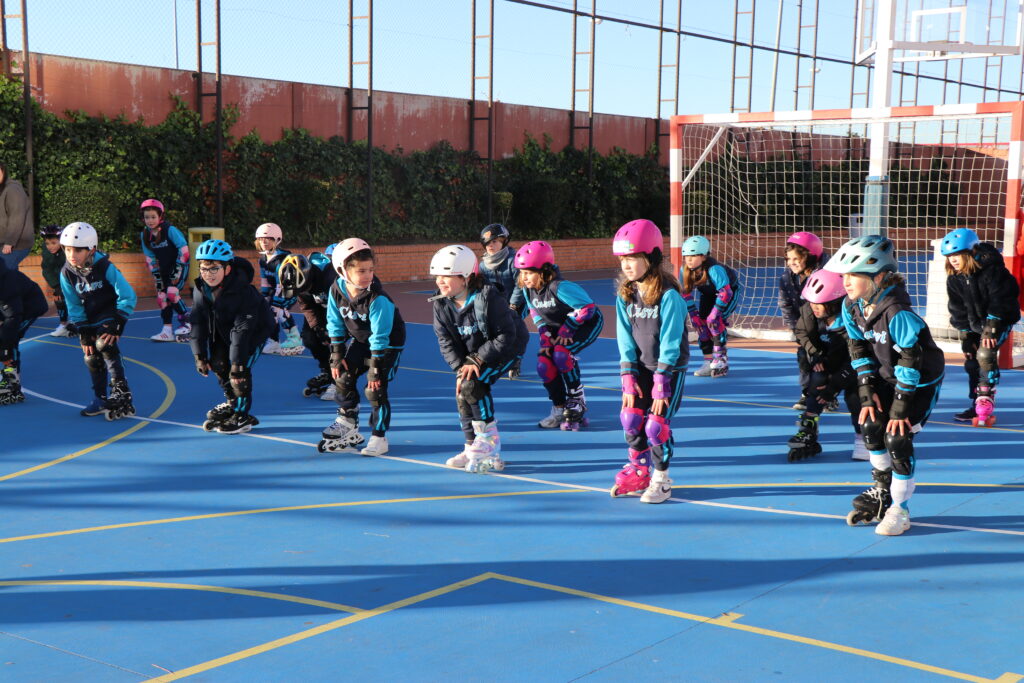
In short, sport at Casvi Villaviciosa does more than just train athletes. It helps develop sharper, more focused minds that are ready for academic success .
THE CASVI VILLAVICIOSA SUCCESS STORY
It is not just about keeping a healthy body; neuroscience has shown that physical activity is one of the most powerful cognitive catalysts for the human brain. When exercising, blood flow to the brain increases, stimulating the release of essential neurotransmitters such as dopamine and serotonin, which are directly involved in brain plasticity, long-term memory retention and the ability to maintain sustained attention during lessons.
At the Casvi Villaviciosa International School, this synergy between sport and academic achievement is not just a theory. It is a cornerstone of its educational model . From the early stages, the centre integrates the movement of a strategic manner both inside and outside the classroom.
INSTALACIONES DEPORTIVAS
Through state-of-the-art top-class world-class sports facilities and a project psychomotor and physical education programme of high standards, we work in a conscious manner so that the exercise acts as a booster for the cognitive skills of the students.
MENTAL DISCIPLINE
Far from viewing sport as merely a leisure or recreational activity, Casvi Villaviciosa encourages regular exercise as a means of developing mental discipline, managing stress and improving concentration. The daily exercise routines help students to ‘clear their heads’, enabling them to return to their academic subjects with significantly greater receptiveness and focus.
FAQ Frequently Asked Questions About Sport and Education
How much exercise is recommended?
The WHO recommends 60 minutes a day moderate to vigorous activity. However, doing only 20 minutesof aerobic exercise before studying is enough to improve brain oxygenation and information retention.
How can teachers encourage physical activity?
Los profesores pueden integrar la actividad física mediante estas tres estrategias clave: Descansos activos: Pausas de 5 minutos entre asignaturas. Y aprendizaje cinestésico: Dinámicas que requieran desplazarse por el aula.
Why is motor coordination important?
Coordination is vital because it activates the prefrontal cortex, which is responsible for executive functions. Improving balance and agility therefore helps children to plan better and avoid distractions.