
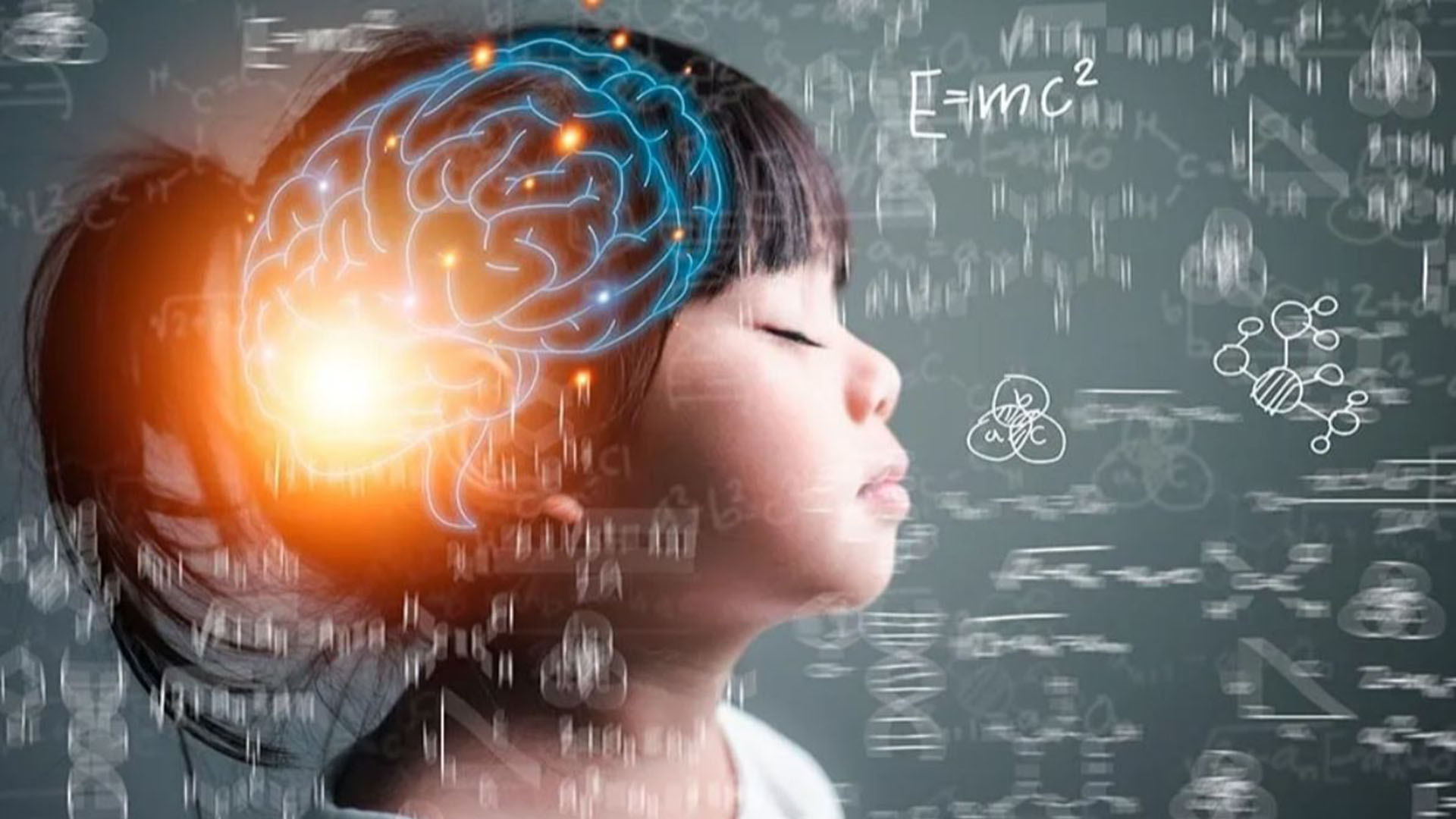
Why do some children spend hours studying but forget what they have learned after a few days? Science has the answer: it is not about how much you study, but how the brain processes information. At Casvi Villaviciosa International School, we integrate the principles of neuroeducation to transform effort into real and lasting learning. Here we will analyse how emotion, attention and rest are key elements in the cognitive development of our students. We will also look at how we apply this scientific evidence in our educational model.
WHY DO SOME CHILDREN STUDY HARD BUT RETENTION IS POOR?
It is a common concern in many families: hours of study that do not always translate into lasting learning. The child passes, but weeks later barely remembers what they worked on.
The key is not always the amount of study, but how learning is taking place. This is where Neuroeducation comes into play, an approach that seeks to understand how children’s brains work in order to design more effective educational experiences.
TEACHING WITHOUT A SCIENTIFIC BASIS MAY LIMIT THE POTENTIAL OF THE STUDENT
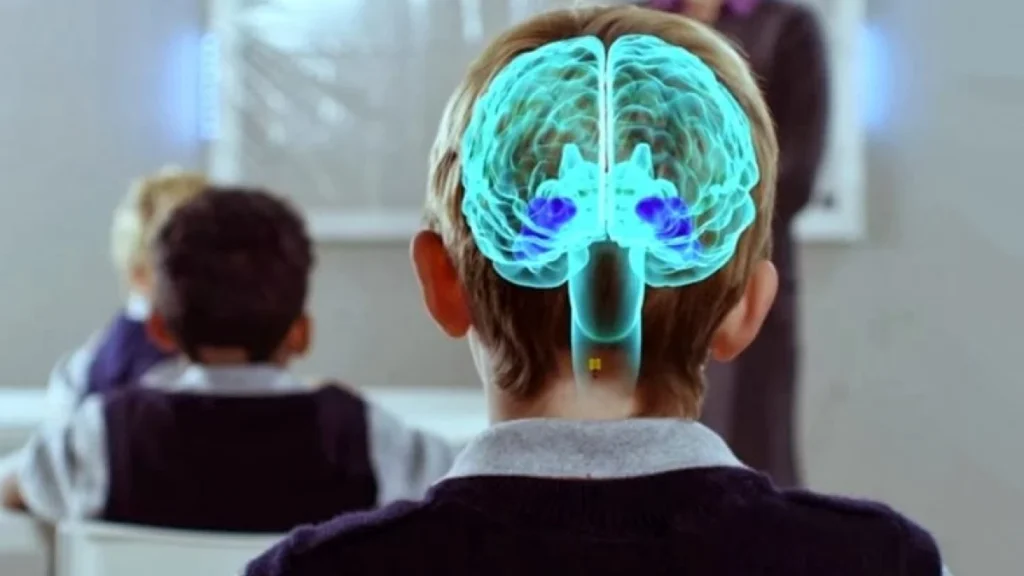
For years, the traditional educational model prioritised memorisation and repetition. However, research in cognitive neuroscience demonstrates that:
- Attention is limited and fluctuating.
- Prolonged stress hinders memory consolidation.
- Emotion directly influences learning.
- Active participation improves retention compared to passive listening.
When these factors are not taken into account, demotivation, superficial learning and academic frustration arise. The good news is that today we have sufficient scientific evidence to improve the design of teaching.
WHAT NEUROEDUCATION SHOWS US ABOUT HOW CHILDREN LEARN
Neuroeducation is an interdisciplinary discipline that integrates neuroscience, psychology, and pedagogy. It does not propose recipes. psychology and pedagogy. It does not propose magic formulas, but rather principles backed by research.
1.- Emotion facilitates memory consolidation.
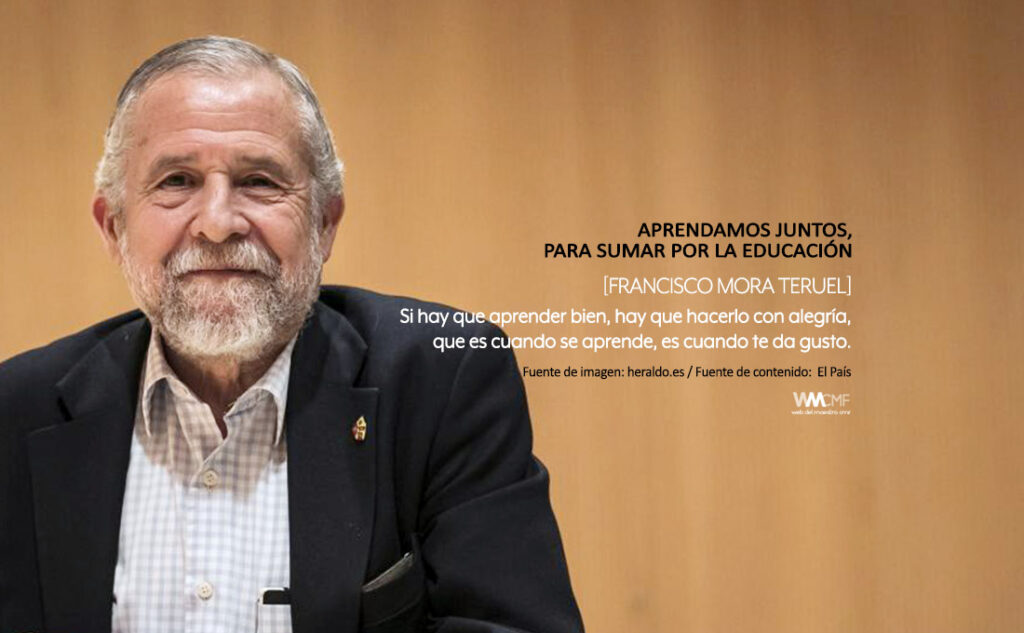
El neurocientífico Francisco Mora sostiene que el aprendizaje necesita emoción para activarse. Desde la neurobiología sabemos que estructuras como la amígdala y el hipocampo interactúan cuando una experiencia tiene significado emocional, favoreciendo su consolidación en la memoria a largo plazo.
It is not a matter of constant entertainment, but rather about giving the content meaning and relevance.
“You can only learn what you love.”
2.- La atención es el primer filtro del aprendizaje
Stanislas Dehaene identifies attention as one a9> of the essential pillars of effective learning. Without attention, information is not encoded properly.
This implies:
- Vary stimuli.
- Avoid cognitive overload.
- Adjust times to the developmental age.
3.- Active learning strengthens neural networks.
Studies in cognitive psychology show that active practice (solving, explaining, applying) generates greater retention than simply reading or listening. Active participation consolidates more stable synaptic connections.
4.- Error is a natural mechanism for improvement.
El cerebro aprende ajustando predicciones. Cuando recibe retroalimentación tras un error, activa circuitos de corrección que fortalecen el aprendizaje. Un entorno que permite equivocarse sin miedo favorece la exploración y el pensamiento crítico.
5.- Rest consolidates what has been learned.
During sleep, the brain reorganises and consolidates acquired information. Lack of rest directly affects memory, attention and executive functions.
6.- Every brain is different.
Brain plasticity demonstrates that each child builds their neural networks based on their experience. Therefore, personalising learning is not a pedagogical trend. It is a logical consequence of scientific evidence.
It is important to clarify that Neuroeducation does not support neuromyths such as “styles of learning” rigid nor the idea that we only use 10% of our brain.
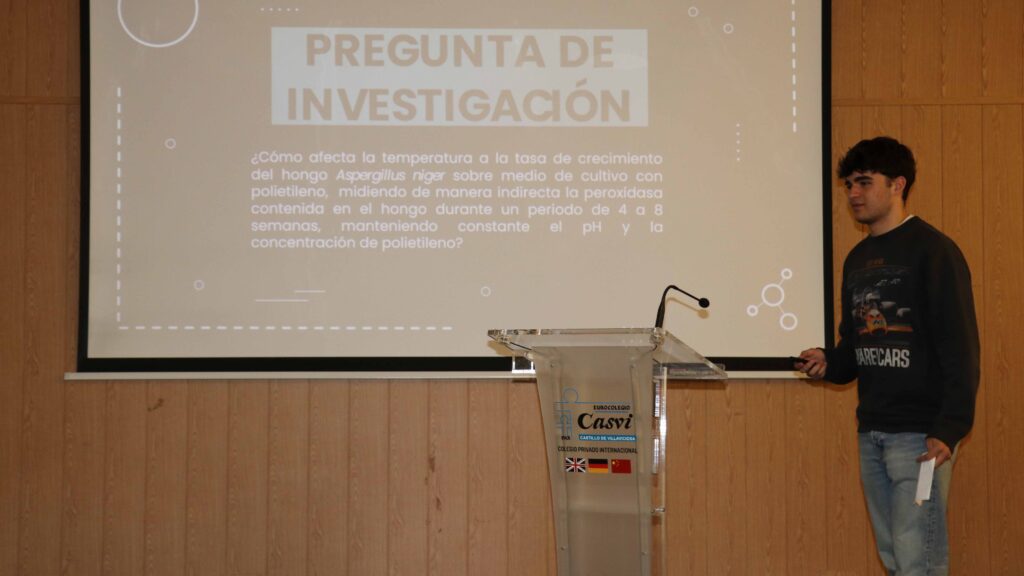
Neuroeducation is not applied as a slogan. It is applied as a criterion for designing experiences that are consistent with current scientific evidence.
APPLICATION PRACTICAL IN CASVI VILLAVICIOSA
At the Casvi Villaviciosa International School, these principles are integrated into the International Baccalaureate model, which promotes inquiry, critical thinking and metacognitive reflection.
Our approach includes:
- Learning based on projects with real meaning
- Formative assessment with constant feedback.
- Development of emotional self-regulation.
- Balanced integration of technology.
- Internal Guidance Department with its own educational psychologists who carry out assessments, individualised monitoring and vocational guidance within the centre.
QUESTIONS FREQUENTLY ASKED ABOUT NEUROEDUCATION
How can neuroeducation improve learning in the classroom?
It enables the design of strategies aligned with attention, emotion, active practice, and constant feedback, improving deep understanding and long-term retention.
¿Cómo puede la neuroeducación mejorar la inclusión educativa?
It recognises neurological diversity and promotes the personalisation of rhythms and methodologies, facilitating adaptation to different cognitive profiles.
How does neuroeducation influence problem solving in the classroom?
Strengthens executive functions such as planning, cognitive flexibility, and emotional self-regulation, which are essential for analysing and resolving complex situations.
How can parents benefit from the principles of neuroeducation at home?
Creando entornos emocionalmente seguros, respetando los tiempos de descanso y estimulando la reflexión y el pensamiento crítico mediante el diálogo.
What are the main principles of neuroeducation?
Emotion as the driving force behind learning, attention as a prerequisite for, active practice, constant feedback, consolidation through rest and brain plasticity.
What impact does neuroeducation have on children's cognitive development?
Promotes connections neuronal more solid, improves long-term memory and strengthens executive skills such as concentration, decision-making and self-control.