
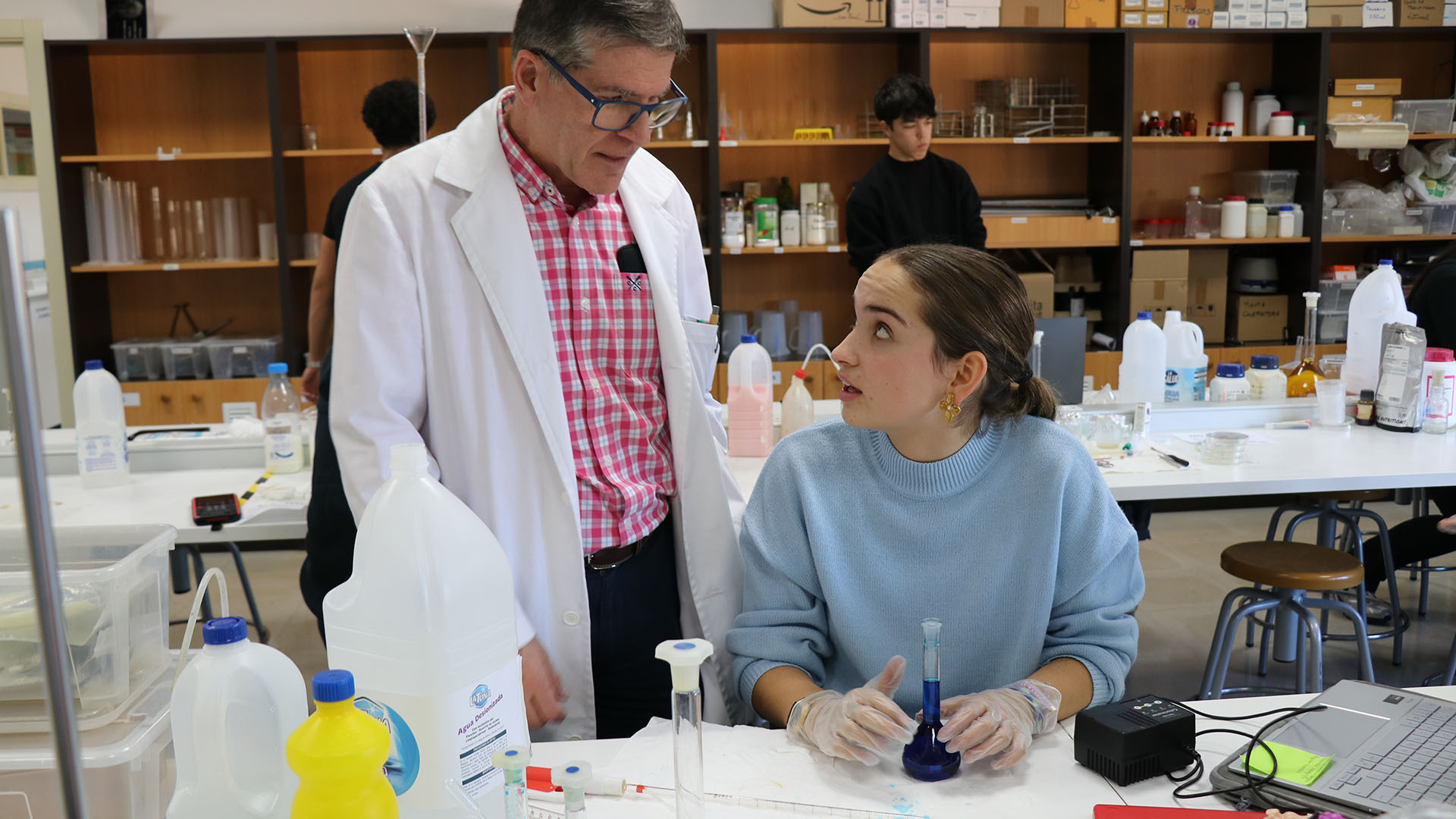
Nowadays, many families face a crucial decision when their children reach secondary school age. Is the traditional education system preparing your children for a globalised academic and working environment? The Diploma Programme emerges as the strategic response for those seeking critical thinking and research skills of advanced research. But what exactly is the Diploma Programme? In this article, we’re going to find out.
THE GAP BETWEEN THE NATIONAL A-LEVELS AND GLOBAL SUCCESS
Choosing the wrong path at this stage carries significant risks for the student’s future. A sixth-form education based solely on rote learning can leave students in a state of ‘blindness’. This prevents them from meeting the demands for independence and rigour placed by the world’s leading universities.
In today’s landscape, universities are not just looking for top marks. They prioritise candidates with an international outlook and a proven ability to think critically. Without the framework of excellence provided by the International Baccalaureate, students face a competitive gap that is difficult to bridge.
WHAT IS THE DIPLOMA PROGRAMME?
The Diploma Programme It is a two-year educational programme designed for students aged between 16 and 19. It was created by the International Baccalaureate Organisation (IBO) to provide a well-rounded education. Its methodology moves away from the mere accumulation of facts. It is characterised by a compulsory core curriculum that ensures a thorough education:
- Theory of Knowledge: Encourages reflection on the nature of knowledge. Teaches the students to question information in a critical manner.
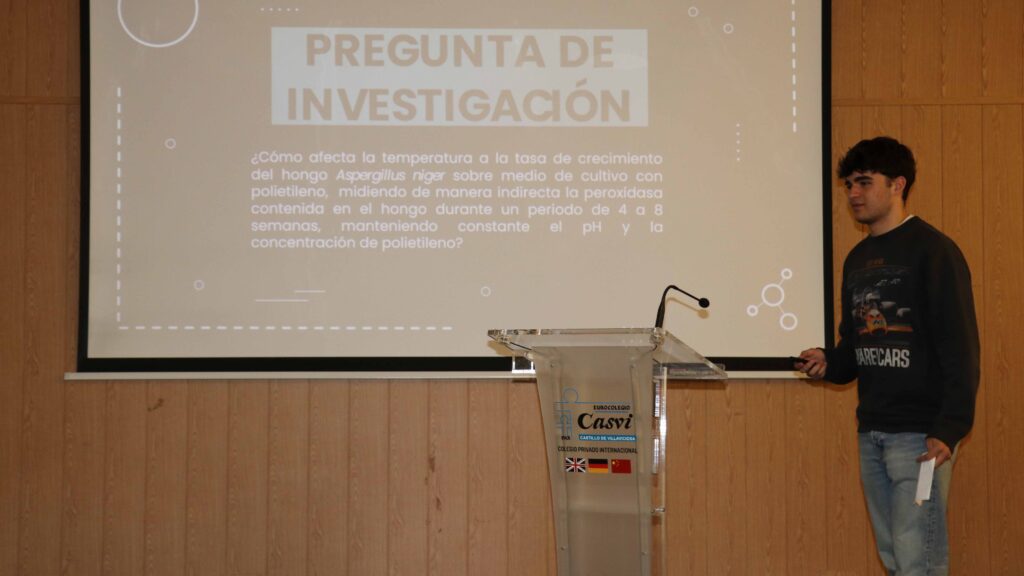
- Monograph: It consists of an independent research project of 4,000 words. This project closely mirrors the rigour of a university dissertation.
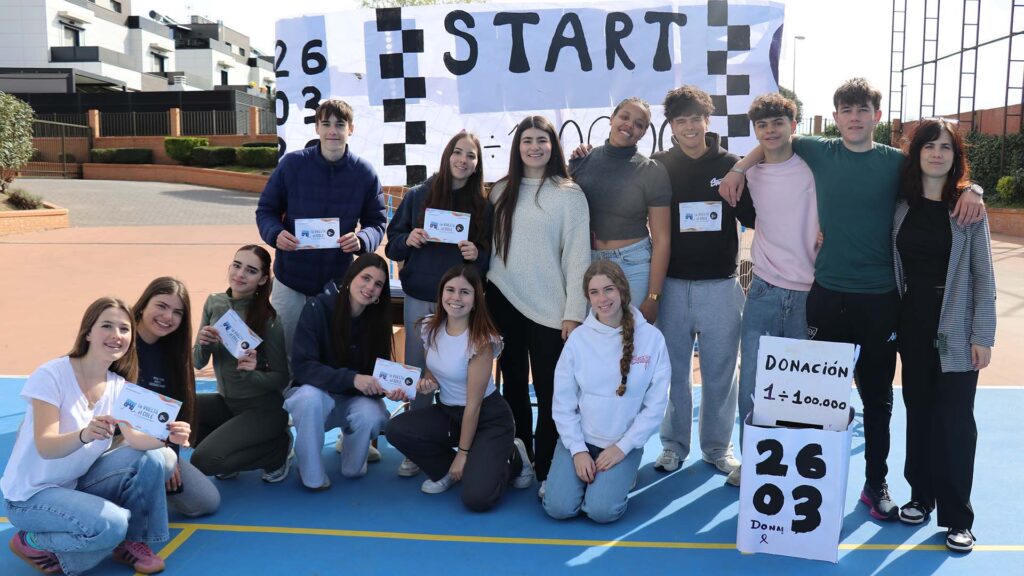
- Creativity, Activity and Service (CAS): It promotes personal development outside the academic sphere. It reinforces values such as empathy and social commitment.
SCIENTIFIC EVIDENCE AND ECONOMIC AUTHORITY
The academic merit of this programme is widely recognised by international bodies. According to a study by the Higher Education Statistics Agency (HESA), its graduates have a higher chance of success. Specifically, they tend to enrol at the world’s top 20 universities more frequently than other students. Furthermore, research by the University of Warwick highlight personal benefits. These students develop greater resilience and better time-management skills.
THE DIPLOMA PROGRAMME AT CASVI VILLAVICIOSA
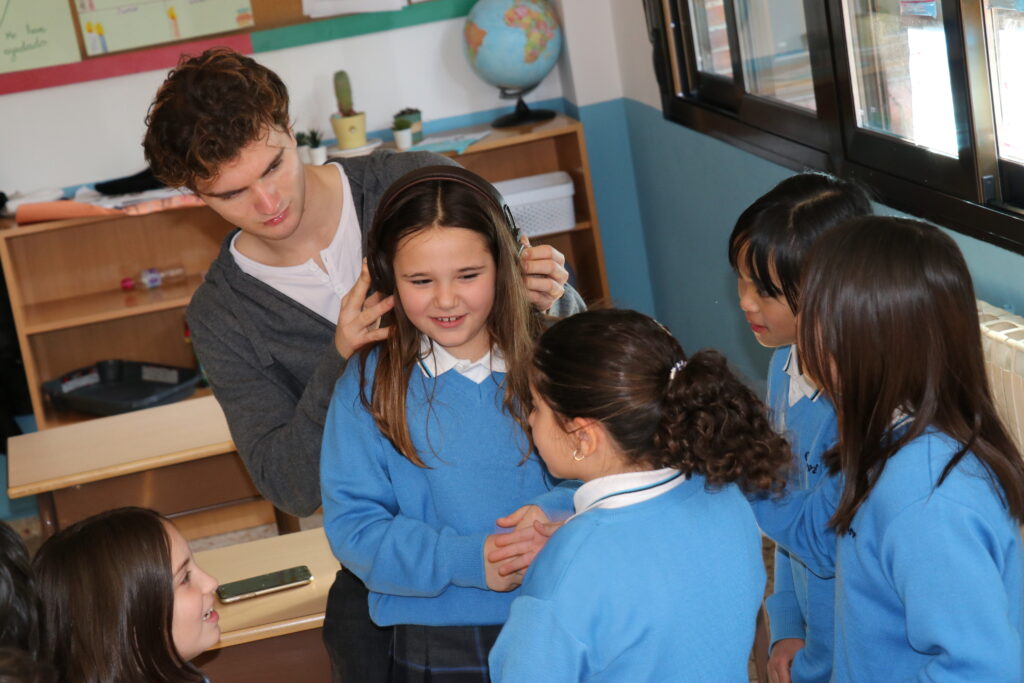
The effective implementation of this successful model requires a highly specialised infrastructure and teaching staff. The Casvi Villaviciosa International School has established itself as a leading international centre in this field. The centre offers the Continuous of Programmes of the IB for a coherent education.
Here, students are immersed in an environment where technology and languages take centre stage. Scientific inquiry is a cornerstone of their daily learning. Casvi guarantees a transformative experience that prepares students to lead anywhere in the world.
FREQUENTLY ASKED QUESTIONS ABOUT THE DIPLOMA PROGRAMME
What difference does the DP make compared to other programmes?
The IB prioritises inquiry, critical thinking and independence over traditional rote learning.
What is the profile of the ideal student on the DP?
Someone with an open mind, a curiosity to explore and good organisational skills.
Does the DP include volunteering projects?
Yes, the CAS component makes volunteering compulsory in order to promote social impact.
How are pupils assessed in the DP?
A blended system is used, combining internal assessments and standardised external examinations.
Is the DP qualification recognised in Spain?
Yes, there is a direct recognition scheme that allows access to university without any further formalities.
¿Cuál es la duración del DP?
The programme lasts two academic years, corresponding to the first and second grade of Baccalaureate