
In a global environment where the ability to adapt is the key to success, choosing the appropriate educational model from the early years is the decision most important for a family. The Primary Years Programme (PYP) of the International Baccalaureate Programme is not just a curriculum. It is a methodology designed for children aged 3 to 12 to learn to think for themselves. In this article, we analyse which are the objectives of the PYP Programme in Primary Education. Also how, through inquiry and an international mindset, we are shaping the leaders and citizens of tomorrow.
Does the current system prepare your child for the unexpected?
Many parents feel a growing concern. The world is changing at breakneck speed, and traditional education, based on rote learning, seems to be falling short. The fear that their children will not develop the autonomy or critical thinking skills necessary for the future is a real “pain point” for families seeking excellence.
THE RISK OF PASSIVE EDUCATION
Limiting a child’s learning to memorising textbooks can stifle their natural curiosity. Without an approach that encourages inquiry, students risk becoming adults who wait for instructions rather than proposing solutions. In a global environment, failing to understand the objectives of the PYP in Primary Education is to ignore the map that enables children to successfully navigate the complexities of the 21st century.
OBJECTIVES OF THE PRIMARY YEARS PROGRAMME (PYP)
The PYP Programme is the International Baccalaureate (IB) educational framework for children aged 3 to 12. Their objectives are designed to train people of integrity and capability:
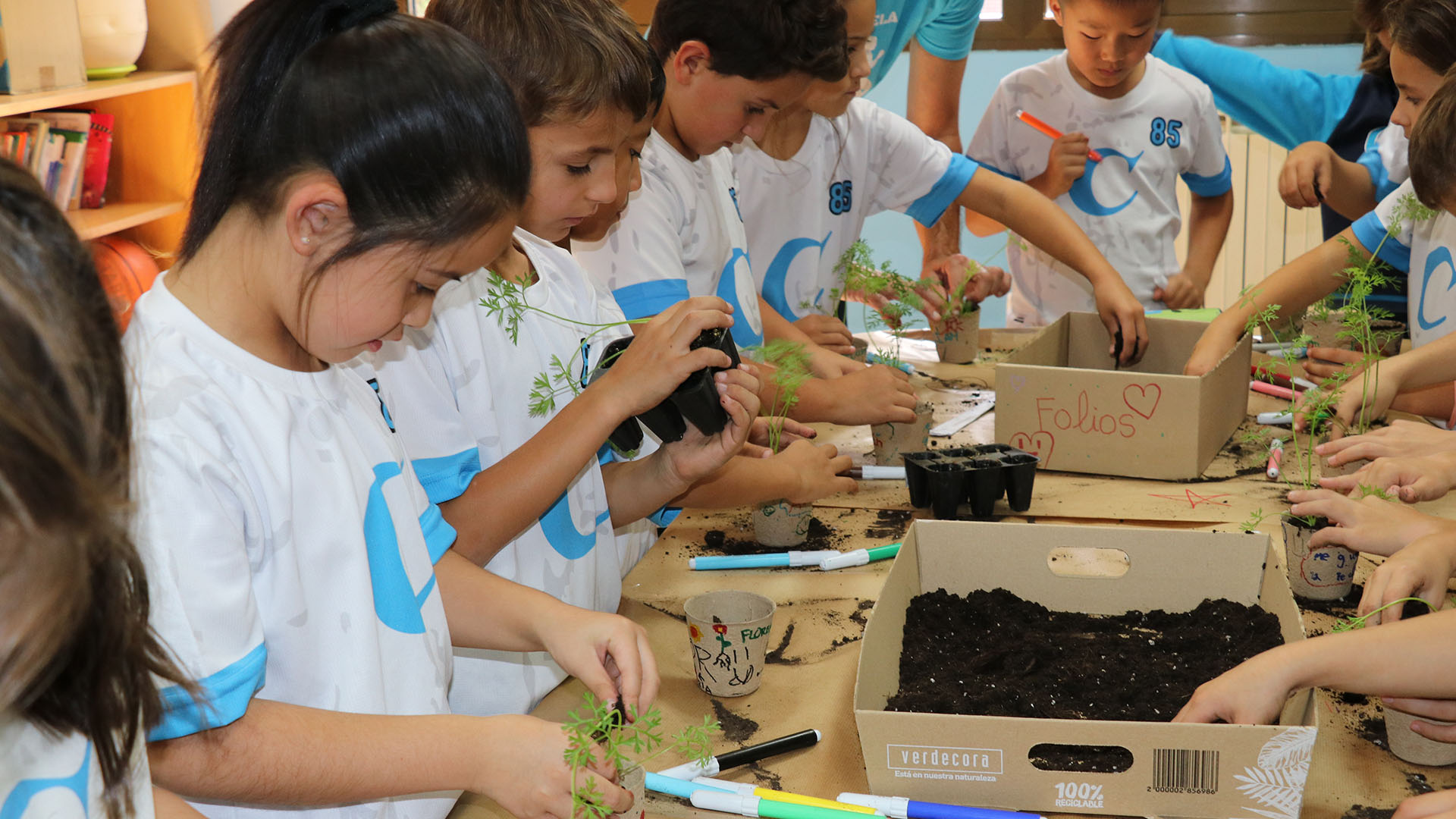
- Autonomy through the use of inquiry. The objective is for the student to take responsibility for their own learning, by researching topics of global and local importance.
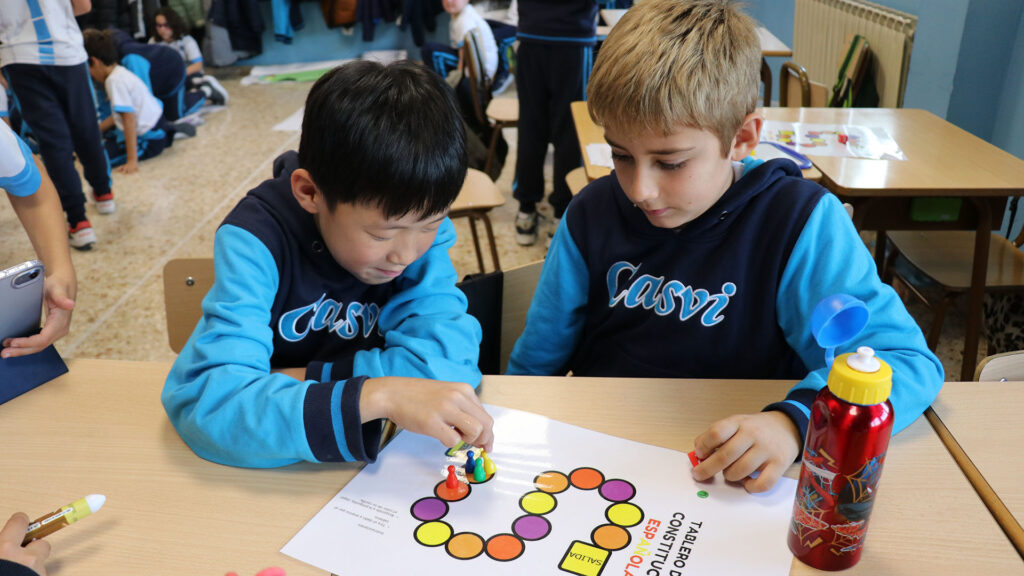
- Learning Transdisciplinary. Overcoming the barriers of the subjects in isolation so that the knowledge is connected and applicable to real life.
- Development of focus skills: Not only is content learned, but also how to learn (research, communication, thinking, self-management, and social skills).
- Action and reflection. One of the pillars is that learning culminates in concrete action that improves their environment, fostering social commitment from childhood.
- Mindset International. Develop an understanding of intercultural issues so that the students recognise themselves recognise themselves as citizens of the world.
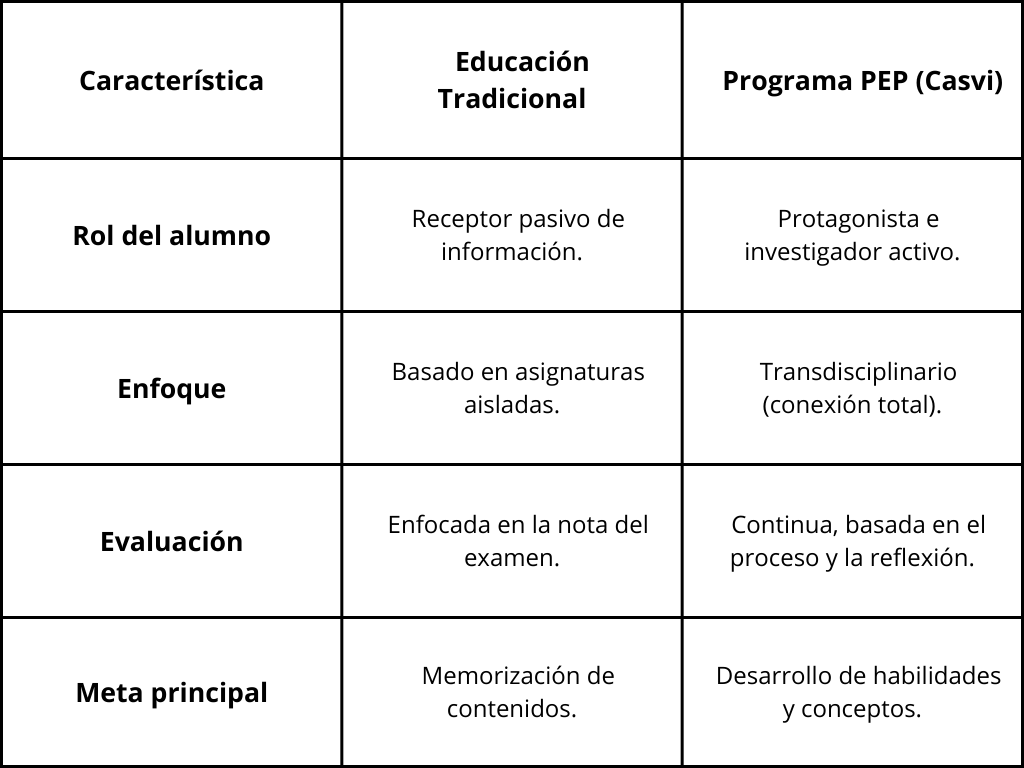
COMPARATIVE TABLE: TRADITIONAL EDUCATION VS PYP PROGRAMME
THE EXCELLENCE OF CASVI VILLAVICIOSA
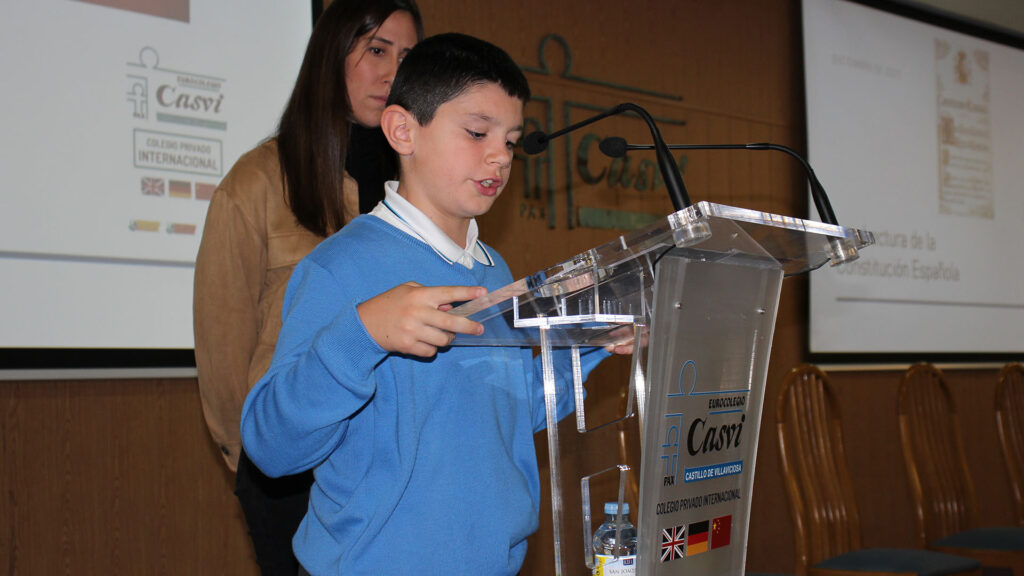
At Casvi Villaviciosa International School, with decades of experience as an IB World School, we turn these objectives into tangible realities. A clear example is our PYP Exhibition (International Baccalaureate), where pupils lead in-depth research into global issues. This demonstrates, at the same time, their ability to lead and speak in public.
“Seeing how my daughter of 8 years old is capable of investigating an environmental problem, propose a solution and explain it with confidence in English and Spanish. I confirmed that the PYP at Casvi was the best decision”. — Testimonial from the Casvi Family.
Do you want your child to be the protagonist of their own learning?
How are cultural differences addressed in the implementation of the PYP Programme in Primary Education?
They are integrated through the Inquiry Units, where different geographical and historical perspectives are explored, promoting respect and empathy as values fundamental to the profile of the pupil.
What are the benefits for pupils participating in the PYP programme in primary education?
They develop greater self-confidence, an insatiable curiosity and exceptional communication skills in several languages, preparing them for any subsequent academic challenge.
How is pupil progress assessed within the PYP programme in primary education?
Assessment is a feed-forward process: it analyses not only the final result, but also the process, the student’s reflection and their ability to apply what they have learned in new contexts.
How is the inclusion of pupils with special needs promoted in the PYP programme in primary education?
Thanks to its personalised approach, the PYP allows for differentiated teaching. Teachers adapt strategies so that all pupils, regardless of their needs, can participate fully in inquiry.
How is parental involvement in the PYP Programme in Primary Education encouraged?
At Casvi, parents participate as guest experts in units of inquiry, attend presentations of work, and play an active role in the learning community.
What does the training that teachers receive as part of the PYP Programme in Primary Education consist of?
Our teachers receive continuous and rigorous training certified by the IBO, ensuring that they are at the forefront of international teaching methodologies.
What differences have been observed in schools that implement the PYP programme compared to those that do not?
PYP schools stand out for having pupils with superior conflict resolution skills, greater social commitment and stronger academic performance in subjects that require in-depth analysis.