
Spain is experiencing unprecedented growth in the field of technology, but with an obvious problem: there is a shortage of trained professionals in computer science. However, training arrives late or is insufficient for many young people.
WHEN THE LACK OF TECHNOLOGICAL TRAINING LIMITS THE FUTURE
The gap between the technology we use every day and the one we actually a9> understand it has widened. According to various reports on employability of the technology sector in Spain, the annual demand for IT a25> IT profiles exceeds by far the supply of graduates.
This discrepancy not only affects the labour market labour market. It also affects thousands of students who could find their vocation in areas of technology, but do not have early contact with them.
Without an educational intervention from an early age, Spain runs the risk of falling behind in innovation, research and development technology.
THE SOLUTION: INTEGRATE THE SCIENCES OF COMPUTING INTO EDUCATION FROM AN EARLY AGE ONWARDS
The response in education involves introducing the sciences of computing in form progressively and adapted, from Infant School to Secondary School. This does not mean just learning to program, but also understanding how the digital world works in the world we live in.
MUCH MORE THAN COMPUTER SCIENCE: WHAT THE CONTRIBUTIONS OF THE SCIENCES OF COMPUTING ARE TODAY
Modern teaching in this field includes:
- Computational thinking
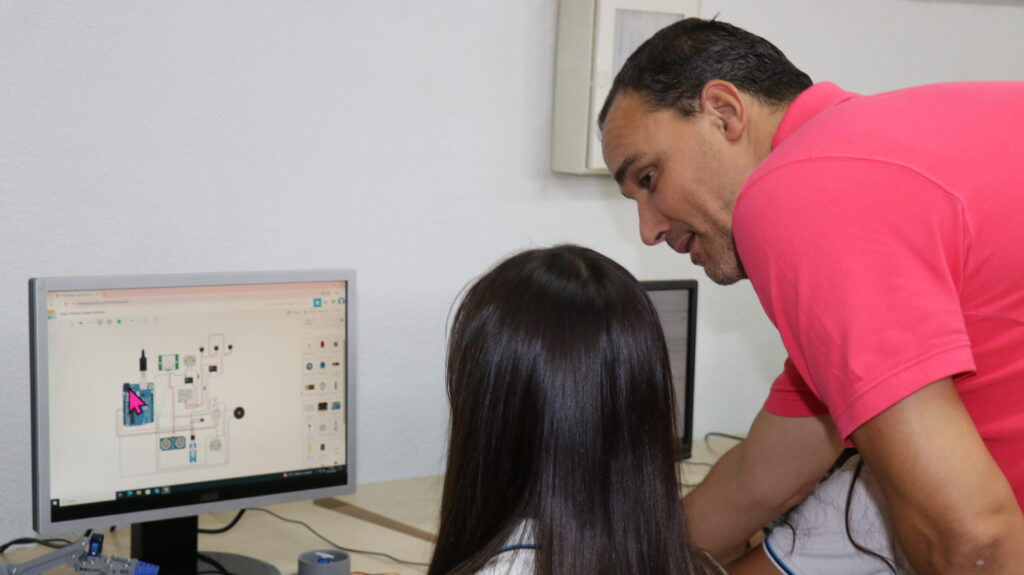
- Programming by blocks and languages progressive
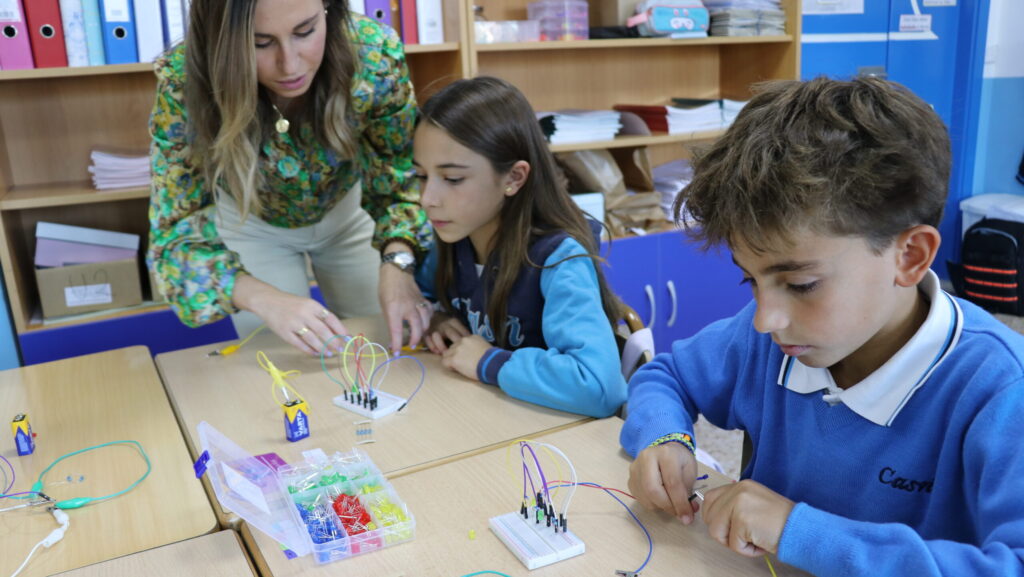
- Robotics and automation
- Artificial intelligence in education
- Logic and problem solving of problems
- First steps in cybersecurity
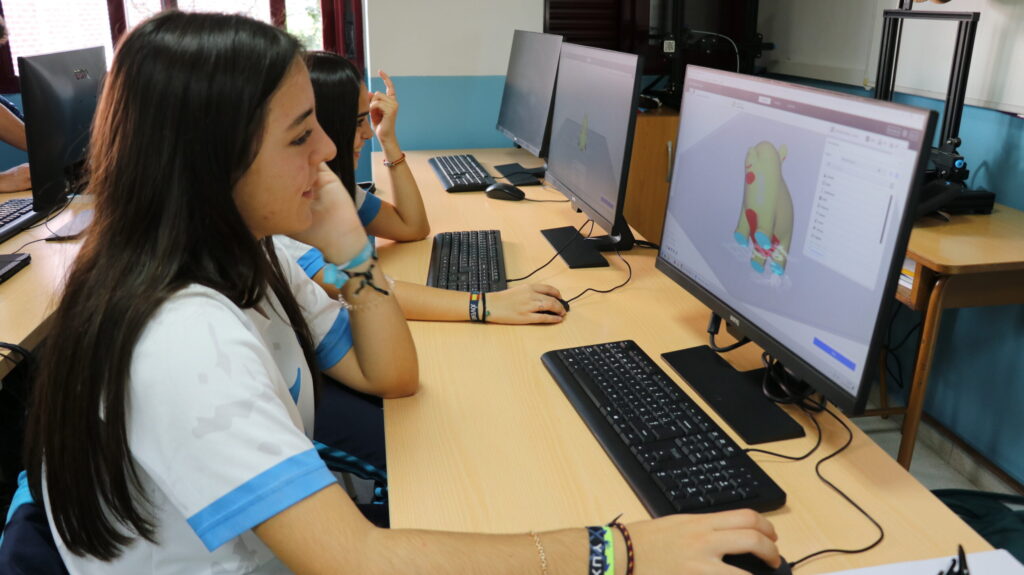
- Digital creativity and design technology
These skills enhance autonomy, creativity, analytical skills and the ability to resolve complex challenges, transferable skills for any future academic or professional endeavour.
A BOOMING SECTOR: DATA THAT EXPLAINS ITS GROWTH
- The demand for technology professionals in Spain is growing every year, between one and two per cent. a5> is growing every year between 7% and 10%.
- IT qualifications have increased their a5> enrolment by more than 12% in the last few years courses.
- Companies consider the digital sphere to be the area with the greatest talent deficit.
The evidence is clear: the future of work is closely linked to the field of the sciences of computing.
CASVI VILLAVICIOSA: A REAL EDUCATIONAL EXPERIENCE IN COMPUTER SCIENCE
EXAMPLES REAL FROM THE CLASSROOM
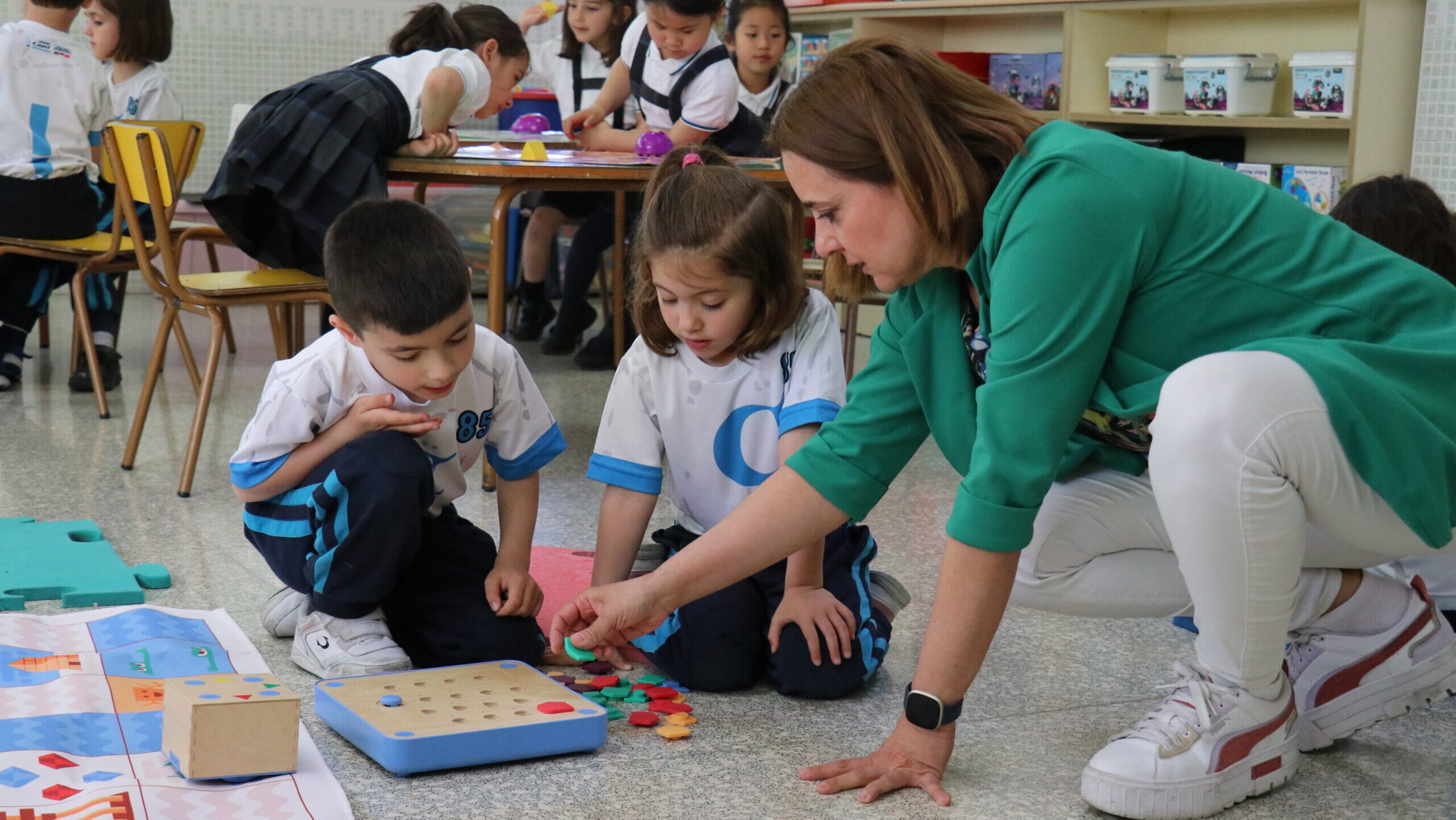
- In Preschool, the pupils work with robots such as Cubetto or Bee -Bot to learn to sequence, plan and solve problems.
- In Primary School, they carry out projects with programming by blocks, design simple games and participate in logic challenges.
- In Secondary School develop projects interdisciplinary that integrate programming, design, analysis of data and advanced computational thinking.
- In Baccalaureate and in the Diploma Programme (IB), apply technology in projects involving research or creation of a15> solutions real that impact on their community.
AN APPROACH RECOGNISED INTERNATIONALLY
The framework IB (International Baccalaureate) strengthens learning technology by integrating it with inquiry, experimentation and critical thinking.
CASVI PREPARES THE FUTURE PROFESSIONALS OF THE TECHNOLOGY SECTOR
Thanks to this early training, students develop key skills for the most sought-after profiles of the future:
- Engineers of software
- Experts in artificial intelligence
- Analysts of data
- Specialists in cybersecurity
- Researchers in new technologies
Learn how Casvi promotes the science of computing from early childhood.
QUESTIONS FREQUENTLY ASKED ABOUT COMPUTER SCIENCE
What is the science of computing?
It is the discipline that studies processes, methods and systems for processing information using computers, including programming, algorithms, AI, cybersecurity and more.
What is the future of the science of computing?
Its growth will be exponential. Automation, intelligent systems and the digital economy will make this area one of the most in demand globally.
What is the role of algorithms in the science of computing?
They are the core of any computer system: they enable problems to be solved by means of ordered, efficient and logical instructions.
What is the relationship between computer science and software engineering?
Software engineering uses the principles of computer science to design and develop software systems. a6> the science of computing to design and develop programmes and systems.
What is the relationship between the science of computing and artificial intelligence?
Artificial intelligence is one of its main branches, focused on creating systems capable of performing tasks. a9> capable of performing tasks that require human intelligence.
What is the role of logic in the science of computing?
La lógica es fundamental para formular algoritmos, estructurar programas y resolver problemas complejos con precisión.
What is the impact of computer science on society?
Transforming sectors such as healthcare, education, transport, communications and industry, driving innovation and improving the quality of life.